 Daily Bird
71 👁, 18 🖼, 20 🔉, 1 🎬
💥▪〰〰〰▪✅▪▪▪▪▪▪▪▪▪
🟦🟦⬜⬜🟦🟦🟦🟦🟦
🟦⬜⬜⬜🟦🟩🟩🟩🟦
🟩🟩🟩🟦🟩🟩🟩🟩🟩
🟦🟩🟩🟦🟩🟩🟩🟩🟦
🟦🟦🟧🟦🟩🟩🟦🟩🟦
🟦🟦🟩🟩🟦🟩🟦🟩🟩
🟦🟦🟩🟦🟦🟦🟦🟦🟦
🟦⬜⬜🟦⬜⬜⬜⬜🟦
⬜⬜⬜⬜⬜⬜⬜⬜⬜
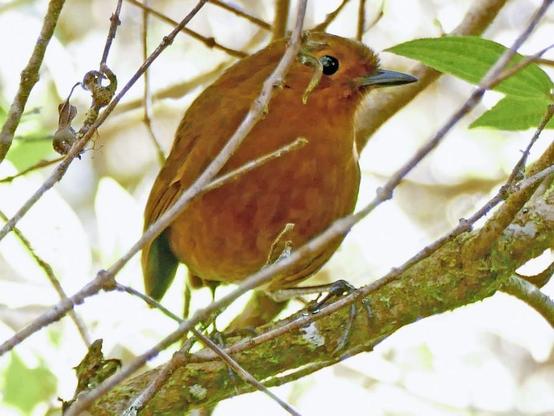
Medium-sized antpitta found only in a small area of the eastern Andes in south central Peru, not far from the city of the same name. Plumage is rich chestnut-brown with a hint of buff on the belly. Similar to Urubamba Antpitta but lacks a pale eyering. Knowledge of geographical range and song is very helpful for ID. Gives a short whistle repeated every couple of seconds as well as a quick, descending series of throaty notes. Inhabits cloud forest at high elevations and usually stays well-hidden on the ground, though may perch higher to sing. It was described as a new species in 2020, having previously been considered a form of Chestnut Antpitta.
Photographer: Peter Kaestner
#AyacuchoAntpitta #GrallariaAyacuchensis #Daily_eBird #Bird #Birds #DailyBird