Truthpaste! Love this labelling - let's roll it out across all products
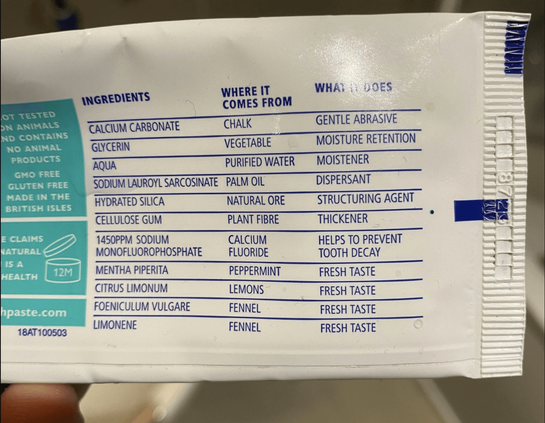
@infobeautiful I would love to see more of this. Translating ‘chemical’ words into lay language would go a long way to reduce science illiteracy— especially wrt food and vaccines.

@AskPippa @infobeautiful I kind of like it, but I'm also a little cynical of stuff like this, too.
Ingredient: Arsenic
Source: Natural ore
What it does: Improves quality of skin!

https://www.historicmysteries.com/history/toxic-cosmetics/26842/

(Disclaimer: I have a degree in chemistry, I'm not anti-polysyllabic-names, or anti-chemistry. I regularly drink coffee with dihydrogen monoxide)
Killer Good Looks? The Deadly History of Toxic Cosmetic Ingredients

Historic Mysteries
@MichaelPorter @infobeautiful I suppose an arsenic label might be handy on a package of rice, heh.
@AskPippa @infobeautiful More truth in labelling…
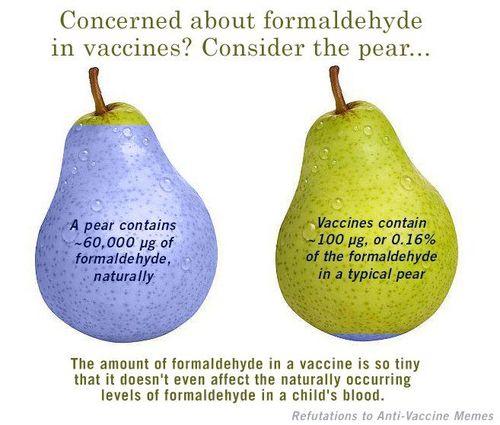
@MichaelPorter @infobeautiful That's a good one! Here is one of my faves.
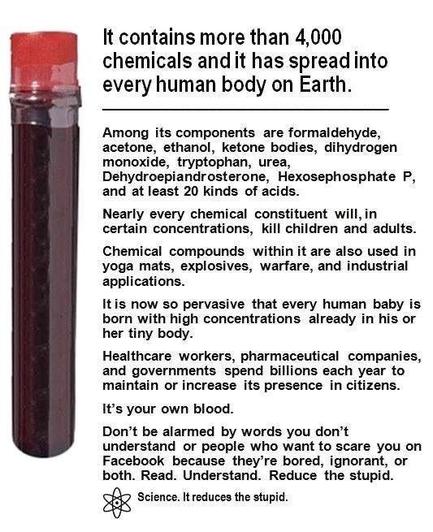
Formadelhyde is a metabolite related to either DNA or RNA synthesis, so occurs in living things in teeny amounts.
@AskPippa @infobeautiful I like that one! But you may put some people off pears 😄
@MichaelPorter Interesting article. I have a file on cosmetics and chemistry -- was going to propose a project on it, but never pursued it. I couldn't find a cosmetics chemist to help untangle some of the info.
Coal tar was widely used as eyeliner. An epidemic of damaged eyes and blindness from it was one of the things that triggered the development of the cosmetics safety and regulations part of the FDA in its early days.