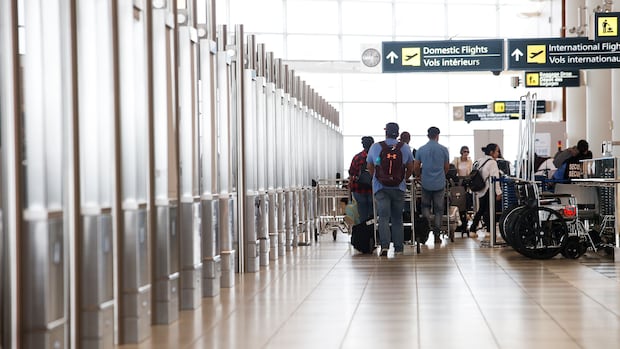
Canadian immigration appears less evil to me but also a heck lot more incompetent and confusing to deal with

(I’ve actually never figured out how to get a work visa to Canada and I’ve figured it out for most countries. Like even the How to Apply page is.. vague. And I’m a native English speaker with international immigration experience. I think you’re supposed to use an agent, most of the time, but I refuse. Anyway, that’s not on the cards anymore and I would die in the cold)

https://vancouver.citynews.ca/2026/03/21/bc-uk-midwife-work-permit-denied-english-test/

U.K. midwife facing deportation from B.C. after work permit denied over English test

A Victoria-based midwife and her patients have been left in the lurch over a problem with paperwork.

CityNews Vancouver

This article talks about them using a spreadsheet-based decision-making tool that doesn’t look much different from Excel. It looks extremely basic and not very good and I’m willing to bet it’s responsible for a lot of pain in the system. Most immigration agencies have much more advanced software for their specialized use case or workflows.

I’m not willing to claim things are more humane for US immigrants (it’s not), but there are many more avenues for legal action against USCIS through other U.S. govt branches (yes this costs money but there is also pro bono support sometimes). In many countries it mostly feels like you just take the decision that you’ve been handed down arbitrarily.

https://www.cbc.ca/news/canada/nova-scotia/immigration-canada-ircc-technology-1.7632130

Immigration lawyers concerned IRCC's use of processing technology leading to unfair visa refusals | CBC News

Immigration professionals and people applying to enter Canada say they're increasingly getting refusal letters they think don't make sense — leading them to wonder whether their cases are being fully and properly reviewed by a human being.

CBC
@skinnylatte Having zero *personal* experience but a lot of international friends this was my impression, too, that in other countries there’s sort of an equality of total subjection to an unaccountable system, and in the US the system is set up to be a covert privilege and means test.
@skinnylatte Addendum: privilege, means, and *entitlement.*
@cwicseolfor I think there’s also been a longer history of communities responding to an overtly racist immigration system and building some political power in that sense. Because so much of early U.S. immigration law was built to keep out the Chinese, there is a long history and practice of the AAPI community providing translation, legal services, pooling together resources to fight back. I feel there is a more expansive definition of what it means to be American compared to elsewhere. Asian American for example includes all Asians including undocumented people, who don’t have citizenship and won’t.