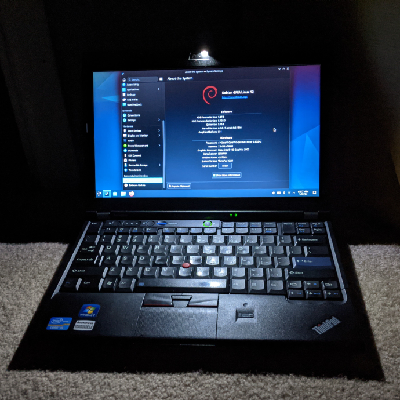
why did we ever abandon netbooks as a form factor

instead we should have made them less terrible by not putting CPUs that can barely calculate what 1+1 is, giving them more RAM, and by not putting windows 7 starter on them

@mjdxp
I heard that the Windows 7 Starter thing was some Microsoft licensing bollocks. (arbitrarily raising the OEM license prices on anything with "proper" Windows and a core2/i7 or something like that)

On a related note, I wonder if the Macbook Neo will prompt the Dells and ASUSes into making cheap Windows laptops around literal telephone CPUs.
(ideally we'd all be packing smartphones with integrated physical keyboards, but I guess the vendors decided that such a device would make the plebs too powerful or something)
@moses_izumi i mean, the macbook neo is targeted towards education, and everyone already has their own line of chromebooks which basically use phone CPUs (since most of them are ARM)
@mjdxp
I only care the Neo from the perspective that last year's phone SOCs are good enough to rival the previous decade's workstations, at a fraction of the TDP.

All of those chips seem to be going into handheld games machines, even though you could probably make a killer ITX/laptop/Raspberry Pi board around them.

@mjdxp @moses_izumi

Key difference: netbooks didn't have locked boot loaders, did have ACPI, and could run any operating system. They were real computers, just small slow ones.

There are very small laptops today, but as far as I know, installing an operating system on them requires you to load an image of that operating system using a separate computer and proprietary software. A real computer can natively boot a storage device (USB stick etc) and install any unsigned OS from there.

@argv_minus_one @mjdxp
Chromebooks run on coreboot, so it's fairly trivial to overwrite the stock firmware/bootloader with something that isn't bent to Google's whims.

(you *can* launch arbitrary OSes without reflashing, but you have to enable a cumbersome "developer mode" first and enable USB boot from ChromeOS)

@moses_izumi

A real computer also doesn't require you to ever boot the stock OS before installing a different one. That kind of setting belongs in BIOS setup, not the OS.

@mjdxp

@argv_minus_one @[email protected] @[email protected] yeah im not gonna lie as someone who did go through this effort, disassembling my entire computer to remove the R/W screw which would lock the firmware into RO when present, then booting into developer mode, running several weird scripts from the internet and then having an unlocked chromebook which at the time most distros couldn't support (touchpad drivers mainly)... it wasn't an experience i'd want for people.
@argv_minus_one @[email protected] @[email protected] also even when you do all of that you still don't really have a proper bios menu for settings. it just kinda shows the coreboot splash and then you boot in.
@puppygirlhornypost2 @mjdxp @argv_minus_one
yea google gives you the option to replace the stock software suite, but doesn't care about the user experience

in some sense it's a precursor to the asinine "wait 24 hours before you can install 3rd party apps that expire"-policy they wanna bring to Android
(basically every security measure they create demonstrates their desire to Control Fucking Everything)
@puppygirlhornypost2 @mjdxp @argv_minus_one @moses_izumi it does have a bios menu but its the basic coreboot efi menu