"Turkey and South Korea are discussing the joint construction of a nuclear power plant, the latest of recent efforts by Ankara to diversify its energy sources.

[In addition] state-run energy companies Turkish Petroleum Corp. and Botas are exploring investments in Canadian oil and gas fields.
Ankara is also ramping up oil exploration in the Black Sea, including in a partnership with Shell off the coast of Bulgaria."
https://www.bloomberg.com/news/articles/2026-03-13/turkey-moves-toward-nuclear-in-bid-to-diversify-energy-sources

Turkey Moves Toward Nuclear in Bid to Diversify Energy Sources

Turkey and South Korea are discussing the joint construction of a nuclear power plant, the latest of recent efforts by Ankara to diversify its energy sources.

Bloomberg.com

"South Korea is considering providing additional energy vouchers to subsidise vulnerable households if rising global fuel prices in the wake of the Middle East crisis push up electricity costs.

Asia's fourth-largest economy is also preparing to ​boost nuclear and coal-fired power generation in the event that oil prices remain high and ​liquefied natural gas (LNG) supplies are disrupted."

https://www.reuters.com/sustainability/boards-policy-regulation/south-korea-says-considering-energy-vouchers-boosting-coal-nuclear-power-2026-03-13/

"Work-from-home orders came back in some countries after years of companies trying to coax workers back to offices after the pandemic, with Vietnam and Thailand reportedly getting employees to work remotely."

I don't know why the article calls this rational strategy "quirky".

https://www.cnbc.com/2026/03/15/price-caps-and-stairs-how-nations-are-coping-with-the-iran-oil-shock.html

By the way: what you hear about now is the reaction of *governments* to the oil price shock.

You will not hear about families - potentially millions - huddling around their kitchen table to see if the family finances allow for buying or leasing rooftop solar -- until one day it becomes a "surprise" story.

This is what happened in Pakistan, which went from "from an inconsequential solar market to the sixth-largest in the world."

See this post and others in the thread:

https://mastodon.social/@CelloMomOnCars/113579663354525712

"Governments ​including Italy and ⁠Hungary are urging Brussels to weaken its climate policies to provide short-term cost relief for industries.

Stiell will warn that doing this would be "completely ​delusional", according to prepared remarks for an event in Brussels where he ​will argue ⁠the shift to renewable energy means cheaper power and jobs in clean-technology industries."

https://www.reuters.com/sustainability/cop/iran-war-an-abject-lesson-fossil-fuel-dependence-un-climate-chief-says-2026-03-16/

The International Energy Agency reminding governments of demand-related policy measures, same as the ones used during the 1970s oil crisis.

Reduce highway speed limits;
Encourage public transport;
Alternate private car access to roads in large cities on different days

... and a contemporary one:
Work from home.

https://www.iea.org/news/new-iea-report-highlights-options-to-ease-oil-price-pressures-on-consumers-in-response-to-middle-east-supply-disruptions

@CelloMomOnCars and our Dutch government says: no need to worry, just go on living... 😱

@EvelineSulman

Much depends on how long the war lasts.
This article says the Cabinet will start talking with parliament about possible policies.

https://eenvandaag.avrotros.nl/artikelen/energieprijzen-mogelijk-nog-jaren-hoger-door-oorlog-in-midden-oosten-zo-kunnen-we-zuiniger-omgaan-met-energie-163090

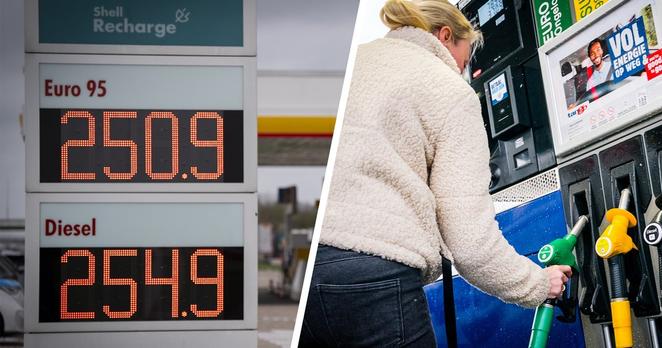
Meanwhile, fossil fuel is at €2.50 / liter so that is its own nudge. Suddenly your public transit card starts to look really nice. (American friends, that's nearly $ 10 a gallon)

Energieprijzen mogelijk nog jaren hoger door oorlog in Midden-Oosten: zo kunnen we zuiniger omgaan met energie

De oorlog in het Midden-Oosten veroorzaakt een grote energieschok. Volgens het Internationaal Energieagentschap is er sprake van de 'grootste verstoring ...

EenVandaag