 Martin Sutherland
So, I rented a FLIR thermal imaging camera for the weekend, for the serious purpose of checking the windows and overall insulation of our house.
But you can also take cat pictures with this thing.
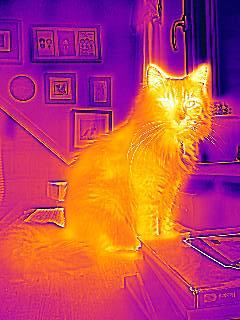
So, I rented a FLIR thermal imaging camera for the weekend, for the serious purpose of checking the windows and overall insulation of our house.
But you can also take cat pictures with this thing.
I really want one to look at ant colonies and see how they manage heat. Despite not being "warm blooded" they find ways to make their nests warm in winter and cooler in summer.
You can probably buy a low-end IR camera, rather than renting one. They're not cheap, but they cost less than, say, a mid-range smartphone. When we moved house, I bought an earlier version of this:
https://www.idealo.co.uk/compare/4862822/flir-one-gen-3-for-android-435-0005-03.html
Predictably, I wanted to use it to find hot spots on the outside of the house and cold spots on the inside to help focus our insulation efforts.
Interpreting images is harder than I imagined, because the amount of IR radiated by an object depends on the nature of the surface and not only on its temperature. You'll be familiar with black-body radiation and the effect of an object's colour on the amount of heat it radiates, but there are other factors that I haven't fully got to grips with. If you just point the camera at your house and look for the yellowest part of the picture, it'll mislead you.
The camera I bought is not compatible with a modern phone. I'm tempted to buy a new one, because they're fun to play with. For instance, it would be interesting to see how much heat is generated, and how it's dissipated, when I charge the car overnight.
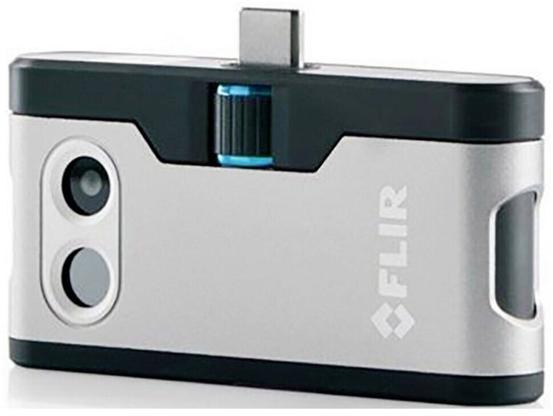
Shop for Flir One Gen 3 for Android (435-0005-03) Tracking Devices. Starting from £167.03. Price comparison Find the best price for Flir One Gen 3 for Android (435-0005-03) from 3 offers. ✓ Best Prices ✓ Best Products ✓ Best Shops ✓ Best Reviews ✓ Price Alerts ✓ Price Trends on idealo.co.uk
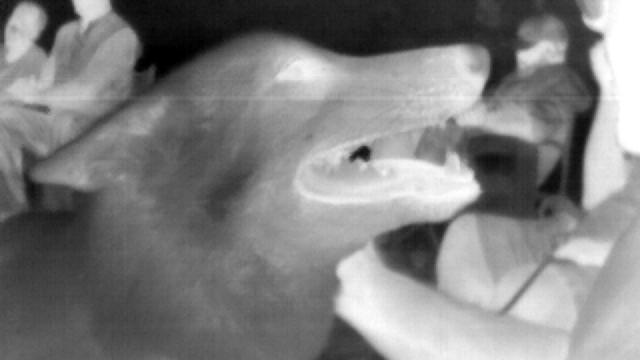
Same, which is why I haven't gone out and bought a replacement. But it does have some unexpected uses, such as spotting wildlife in the garden at night or (they say) identifying damp patches of inside wall.
Two problems: first, when I used mine, the software was a bit flaky, and it would often fail to see that the camera was plugged into the phone. Second, at least in the model I had, the camera had its own rechargeable but non-replaceable battery, and it wouldn't take power from the phone. Batteries only last so long, so that amounts to built-in obsolescence. When the battery fails, you have to replace the entire camera. I'd like to see a law forcing all manufacturers to use commodity (non-proprietary) batteries and make them replaceable, but we don't live in that world.
 myrmepropagandist
 C++ Wage Slave
 Zimmie
 Jonathan Yu