0xedb
0xedbGoogle details new 24-hour process to sideload unverified Android apps
https://android-developers.googleblog.com/2026/03/android-de...
Google details new 24-hour process to sideload unverified Android apps
https://android-developers.googleblog.com/2026/03/android-de...
At this point I'm convinced that there's something deeply wrong with how our society treats technology.
Ruining Android for everyone to try to maybe help some rather technologically-hopeless groups of people is the wrong solution. It's unsustainable in the long run. Also, the last thing this world needs right now is even more centralization of power. Especially around yet another US company.
People who are unwilling to figure out the risks just should not use smartphones and the internet. They should not use internet banking. They should probably not have a bank account at all and just stick to cash. And the society should be able to accommodate such people — which is not that hard, really. Just roll back some of the so-called innovations that happened over the last 15 years. Whether someone uses technology, and how much they do, should be a choice, not a burden.
> People who are unwilling to figure out the risks just should not use smartphones and the internet.
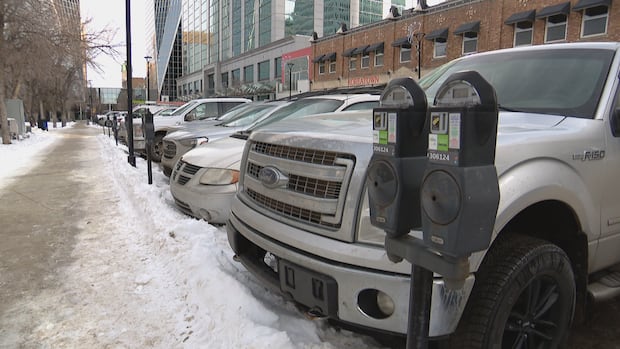
Sounds great in theory, but just today I was reminded how impossible this is when walking back from lunch, I noticed all the parking meters covered with a hood, labelled with instructions on how to pay with the app.
https://www.cbc.ca/news/canada/saskatchewan/city-of-regina-r...
What do you mean by impossible in this case? Can't you just have the coin-operated parking meters back? Where I live, in EU, parking meters even take cards.
EDIT: I guess "just" is doing some heavy-lifting, so I won't argue this further, but "impossible" isn't the word I would use either. The city could revert this decision, definitely if enough people wanted them to (that's... I know, the hardest part). I just agree with the OP that we technically could go back to slightly less-digital society.
It’s kinda easy to justify though from a financial standpoint. If the parking meters take cash, you need all the hardware to accept and secure the cash. Then you need somebody to go around at some point and actually physically collect the cash. Then someone has to reconcile the cash, etc.
So at least from that angle I see it as an easy “government is actually trying to be more efficient” argument.
As a user cash is a pain in the ass. I have to count it out, keep it in my pockets, etc. So much easier to just tap my phone or my card. But yeah that’s a tradeoff in the classic “You’re trading X for convenience”.
And then you have kids and junkies sticking twigs and gum in the coin mechanism. A card only system can be a single solid slate with minimal upkeep.
Combined with the fact almost no one uses cash in Australia.
At least in Australia, skimmers haven’t really been an issue for a long time. Everyone uses paywave / nfc payments. The ticket machines I’ve seen installed lately don’t even have a way to insert the card or a pin pad.
They are in theory still possible to destroy but it’s a lot harder and the little electronics left are cheaper to repair.
Don't pay and when you get a fine take them to court and state you don't have a bank card. There's jo wat a council can legally require you to enter into an agreement with a bank to use council run facilities, it's likely nobody's challenged them on it though.
Every council I've lived in has still taken cash for every type of council fee, despite their "official" statement being they don't.
> There's jo wat a council can legally require you to enter into an agreement with a bank to use council run facilities, it's likely nobody's challenged them on it though.
Is there some law saying they can’t?
This is a carpark. If you own a car, you are legally required to hold a CTP insurance policy as a condition of registration-so to be able to use the facility, you legally need to be customer of one type of private financial institution; given that, is it really problematic if council requires you to be a customer of a second kind as well, when close to 100% of the population are?