 Panethos
America’s smallest MAJOR airports by acreage – 2026 REWRITE
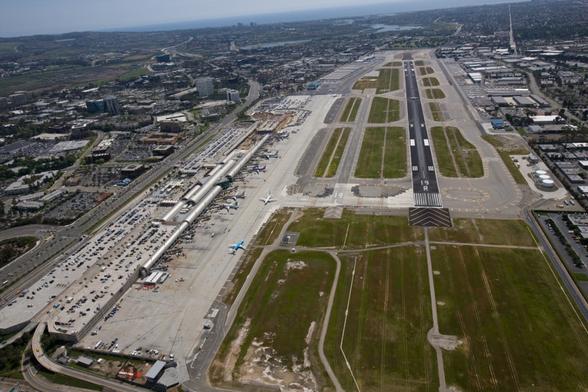
Orange County (John Wayne) Airport – Source: smarttravel.comThe following is a list of the 41 smallest major airports in the USA (including territories) ranked by their total land area. A minimum of 1,000,000 passengers (enplanements + deplanements) and 1,500 acres or less was the criteria used in this list. As can be seen, some very busy and important airports are identified in the list. Passenger data is now from calendar year 2025.
Seven of the airports listed are in California, six of which are in the southern part of the state (Orange County, Burbank, San Diego, Palm Springs, Long Beach, and Santa Barbara) and San Jose in the north. Six airports are from New York. Three are downstate (La Guardia, White Plains, and Islip) and three are upstate (Albany, Greater Rochester, and Buffalo).
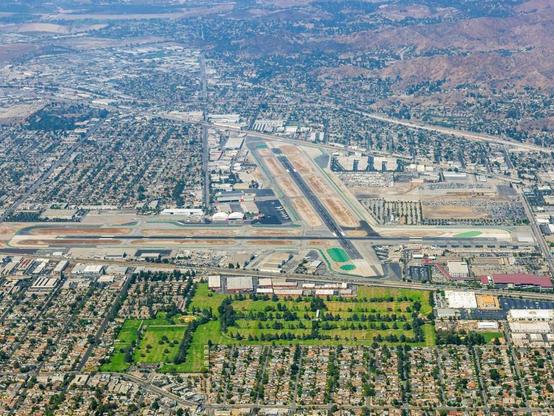
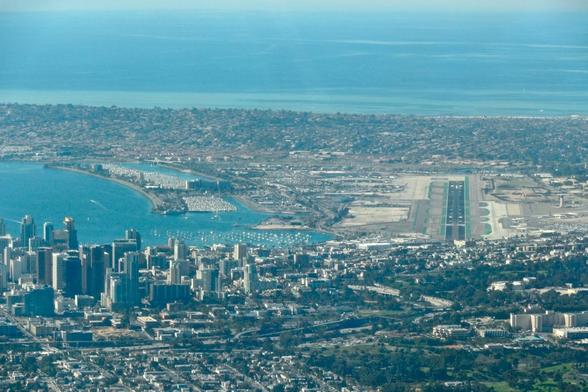
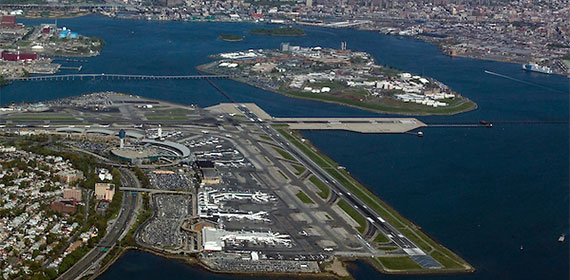
San Diego (Lindbergh) Airport – Source: torreypinestowncar.comAs is evident from the aerial photos included with the post, most of these airports have been surrounded by development, which limits their long-term growth potential and ability to adapt to new aircraft. It also can lead to friction between the airport authority and neighbors due to aircraft noise, traffic, and hours of operation. This can lead to costly litigation, noise abatement, or land acquisition.
New York (La Guardia) Airport – Source the realdeal.com San Jose (Mineta) Airport – Source: flickr.comWhile not every city has massive amounts of land available to construct a new airport (i.e. Denver or Dallas-Fort Worth), early and proactive regional planning efforts to properly channel and regulate development surrounding the airport in a manner which allows for increased aviation traffic is paramount to the long-term viability of the facility. Granted, in most of the cases listed in this post, hindsight is 20/20. Environmental, aviation, and land use restrictions can and will negatively the potential for future passenger and cargo growth. In some cases this limits the facility to serve only domestic flights, limited-distance flights, or in multiple airport metropolitan regions as a reliever or secondary airport.
Many thanks to Gary for providing the updated 2025 data and list for this post. His help is greatly appreciated.
Peace!
*FYI: If two airports cover the same amounts of acreage, the number of passengers was used to determine the order in which they are listed.
_______
~ means approximate
Sources:
- en.wikipedia.org
- http://www.sitelevel.com/query=acres&B1=Search&crid=71805b845d4090d6
- http://www.san.org/Education/History
- Updated 2025 data provided via emails from Gary, whose sources included en.wikipedia.org; individual airport websites; FAA Airport Form 5010; SkyVector airport data; and the Bureau of Transportation Statistics (BTS TranStats).