 Annie Zaidi
"Both (one is an Adivasi) washed utensils, cleaned floors and toilets, and dusted. They could only sit on the floor, explicitly told that chairs and tables were not meant for them—a fact the homeowner, a businesswoman, freely acknowledged to us in an urban living room in Jamshedpur, Jharkhand... The workers were not allowed to enter the kitchen; the homeowner added that if they did, the entire kitchen would be washed afterwards."
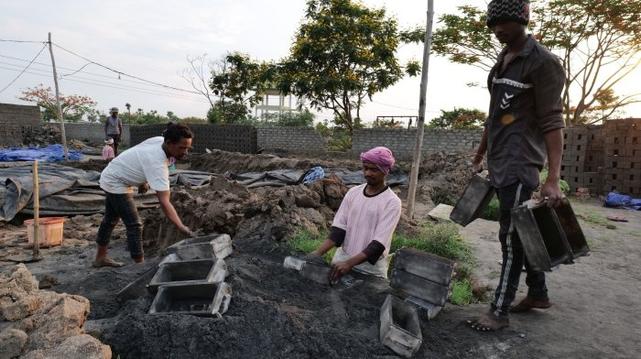
Modern Slavery in India: How Adivasi Workers Remain Trapped in Debt, Deference & Disposable Work
Paid well below the legal minimum, denied basic dignity, and bound to labour through medical debt disguised as “assistance”, the story of two domestic workers reflects the condition of thousands trapped in forms of unfreedom the law abolished nearly half a century ago. From brick kilns and farms to urban living rooms, bonded labour persists—disproportionately ensnaring Adivasi workers—normalised by social hierarchy, administrative indifference, and an economy structured around informal, disposable work.