 PugJesus
East German apartment blocks, 1975
https://piefed.social/c/historyphotos/p/1890753/east-german-apartment-blocks-1975
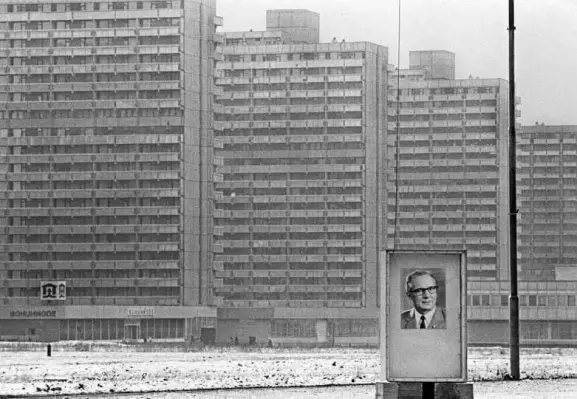
East German apartment blocks, 1975
https://piefed.social/c/historyphotos/p/1890753/east-german-apartment-blocks-1975
These were highly desirable at the time. Most people lived in old houses with a bathroom in the staircase or even outside, coal fired oven heating in some rooms, ancient windows, bathtub in the kitchen, etc. The government wasn’t investing in renovation or improvements of old buildings, so they kept falling apart.
The new Plattenbauten (commie blocks) had central heating, warm water, modern windows, modern bathrooms, shopping, healthcare, and schools nearby, parking spots, public transport connections, etc.
People would marry and have kids early to be eligible to be assigned a newly built apartment instead of continuing to live in a deteriorating house from the late 1900s, that had last been renovated in the 1930s.
I remember similar things about the Krushchevkas in the Soviet Union.
It’s funny what can be a step up. And how recently our quality of living was… much lower than it is now. In capitalist countries as well as former ML countries.
Commieblocks do have a certain eyesore quality with their monotony though, almost as bad as middle class suburbia, lmao
 Samskara
 Aibo1
Aibo1 Wrufieotnak