This is a massively important story. Follow it closely. Whatever the outcome, huge constrictions will be inflicted on water for BOTH residents AND food supply for all Americans. 70% of the water is for agriculture. It’s BOTH climate catastrophe AND consumption.
https://www.theguardian.com/us-news/2026/feb/13/colorado-river-crucial-deadline
Western US states fail to negotiate crucial Colorado River deal: ‘Mother nature isn’t going to bail us out’

Negotiators disbanded on Friday without a plan for the basin supplying water to 40m people, thrusting the region into uncertainty

The Guardian
@GaryRLundberg time for the west to go vegan. No more beef burgers for fastfood with cheese and dairy shakes! We're going to learn that California is the land of fruits and nuts, not happy cows (because they're not if they're on someone's table to be eaten)!

@crystalzenith

I was wondering about that. Not sure what the breakdown is between feed for livestock vs veggies, fruit, nuts, etc.

@GaryRLundberg @crystalzenith

Our World in Data has good data about this, although it's not specific to the Colorado River. Nuts do need a lot of freshwater to grow, but have a very low carbon footprint, land use footprint, and eutrophying emissions footprint.

Animal products, especially cow/lamb meat, and dairy have a very high environmental footprint in all categories (and prawns in all categories except land use), whereas peas and pulses have one of the lowest footprints in all categories.

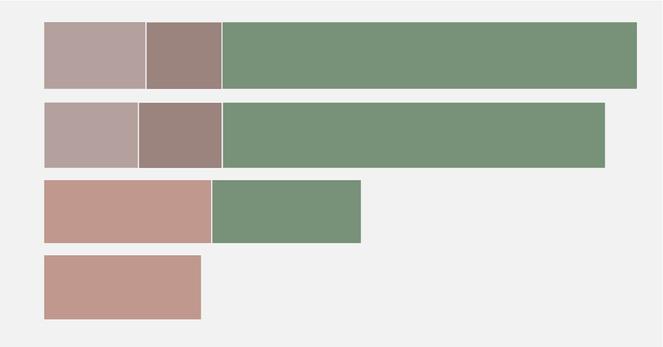
Freshwater withdrawals per 100 grams of protein

Freshwater withdrawals are measured in liters per 100 grams of protein.

Our World in Data
If the world adopted a plant-based diet, we would reduce global agricultural land use from 4 to 1 billion hectares

We could reduce the amount of land used for grazing and croplands used to grow animal feed.

Our World in Data

@katlin I appreciate all of the articles, however https://ourworldindata.org/land-use-diets this is the worst - it really doesn't get much of anything. You don't have to convert to a high quality protein if you already have. Also our guts have bioreactors, so we don't need external ones. Carbohydrates are known to help amino acids get to muscles to build them. So without that - it's actually a worse quality protein.

The only part they got right is that what is fed to livestock will be insufficient to humans. That's agreed - we're not livestock. Once we get away from animal agriculture - there's way more nutrient-rich foods than what's mass produced out there for humans if we prioritize that.

That and the part about saving a lot of land - that we just don't need to worry about for crops.

Well we don't need land to grow crops. It just talked too much back and forth.

If the world adopted a plant-based diet, we would reduce global agricultural land use from 4 to 1 billion hectares

We could reduce the amount of land used for grazing and croplands used to grow animal feed.

Our World in Data

@crystalzenith

I think that all the article is saying here is that cereals alone are not enough for a balanced diet, and it mentions ways to achieve a diverse and balanced vegan diet, such as mixing cereals with legumes and taking vitamin B12 supplements. I understood that the key point here from an agricultural point of view is that we can't rely on cereal monocultures for our nutritional needs but need to plant more crops like peas, beans, lentils to enable balanced and sustainable diets.

@katlin 3 sisters - corn, beans, squash