 D_a_X
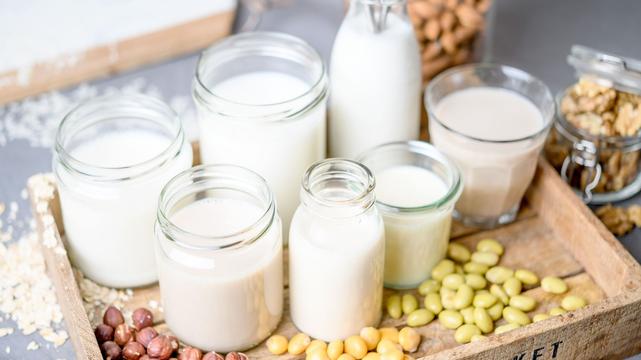
D_a_XPflanzendrinks als Milchersatz: Gesund, nachhaltig oder Trend?
 flof
flofInteressant dass der Wasserverbrauch von Mandelmilch im Vergleich zu Hafermilch bemängelt wird, aber kein Wort zum Wasserverbrauch von Kuhmilch…
Doch, sogar mit Quelle:
Laut World Resources Institute (externer Link) produziert ein Liter Kuhmilch rund dreimal so viel CO₂ wie ein Liter Pflanzendrink. Auch Land- und Wasserverbrauch fallen geringer aus
Der Top-Kommentar spricht von Wasserverbrauch. Dein Zitat von Treibhausgasen. Wenn man aber dem Link folgt, gibt es da auch noch eine Aussage zu Wasserverbrauch bzgl Mandel vs Kuh.
Almond milk is good for the climate, but uses about the same amount of water as cow’s milk and contains very little protein. Notably, the amount and impact of water use varies depending on where and how food is grown, and some places are more water scarce than others. Thus, the impact of almond milk’s water footprint may be worse than cow’s milk if comparing almond milk produced in a water-stressed region such as California with cow’s milk produced in less water-stressed regions. That said, California is the top producer of cow’s milk in the United States, so comparing direct water use footprints is still valid in many cases.

Which Milks Are Best for the Planet?
Walk into any coffee shop and you’ll likely see a long list of available milks — oat, almond, soy, and good old-fashioned dairy, just to name a few.Taste is obviously a factor that influences many people’s choices. So are costs and dietary restrictions. But another is which milk comes with the lowest environmental impact.That’s where things can get complicated.
Dabei ist das Hauptproblem an Mandelmilch, dass es mir überhaupt nicht schmeckt im Vergleich zu den zahlreichen anderen Alternativen und dabei auch noch teurer ist. Fick Mandelmilch. Aber nicht weil ich sie in Relation zu Wasserverbrauch oder Proteingehalt setze.
 flora_explora
Ja same. Bin mittlerweile wieder bei Sojamilch angekommen. Hafermilch ist mir meist auch zu süß, so wie Mandelmilch.
Der Top-Kommentar spricht von Wasserverbrauch. Dein Zitat von Treibhausgasen.
Auszug meines Zitats:
Auch Land- und Wasserverbrauch fallen geringer aus
Trotzdem danke für den Auszug. Mandelproduktion ist auch nicht ganz ohne, zumindest in den USA, unfassbar riesige Monokulturen.
Oh, keine Ahnung wie ich das übersehen hab, bei einem Zitat von 2 Sätzen, oops.