
๐Ÿ‡ฎ๐Ÿ‡ทโš”๏ธ๐Ÿ‡บ๐Ÿ‡ธ๐—œ๐—ฟ๐—ฎ๐—ป: ๐—ฉ๐—ถ๐—ฐ๐˜๐—ผ๐—ฟ๐˜† ๐—ถ๐—ป ๐˜๐—ต๐—ฒ ๐—™๐—ถ๐—ฟ๐˜€๐˜ ๐—›๐—ผ๐˜‚๐—ฟ, ๐—ก๐—”๐—ง๐—ข ๐—ถ๐—ป ๐˜๐—ต๐—ฒ ๐—ง๐—ต๐—ถ๐—ฟ๐—ฑ ๐—ช๐—ฒ๐—ฒ๐—ธ

๐™’๐™–๐™จ๐™๐™ž๐™ฃ๐™œ๐™ฉ๐™ค๐™ฃ ๐™จ๐™ฉ๐™–๐™ง๐™ฉ๐™š๐™™ ๐™ฉ๐™๐™š ๐™ฌ๐™–๐™ง ๐™—๐™ช๐™ฉ ๐™‰๐˜ผ๐™๐™Š ๐™ž๐™จ ๐™—๐™š๐™ž๐™ฃ๐™œ ๐™–๐™จ๐™ ๐™š๐™™ ๐™ฉ๐™ค ๐™จ๐™š๐™˜๐™ช๐™ง๐™š ๐™ฉ๐™๐™š ๐™จ๐™๐™ž๐™ฅ๐™ฅ๐™ž๐™ฃ๐™œ ๐™ก๐™–๐™ฃ๐™š๐™จ.

Trump said NATO allies must defend the Strait of Hormuz or it will be very bad for NATO. After claiming the war was over in the โ€œfirst hourโ€ and is under control, he is now trying to drag allies into the problem.
1/9
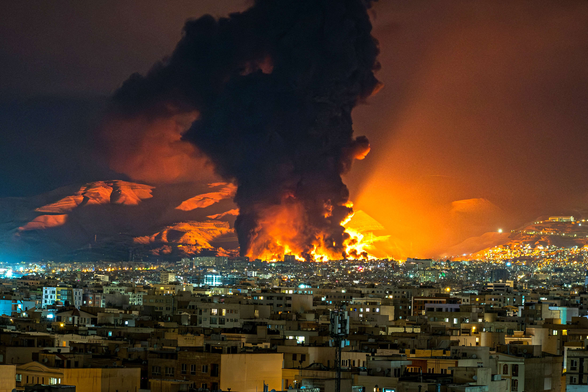
The sudden push for allied involvement looks less like strategy and more like political timing as midterm elections approach.

In an interview with the Financial Times, Trump warned that NATO would face a โ€œvery badโ€ future if allies do not help secure or reopen the Strait of Hormuz.

The waterway normally carries roughly 20 percent of global oil shipments. It has been heavily disrupted during the current U.S.-Israeli war with Iran, now entering its third week.
2/9

Oil prices have already climbed to around $105 per barrel in some markets.

Trump has reportedly contacted several NATO countries asking them to contribute naval forces such as escorts, warships, or minesweepers to police the strait and protect tanker traffic.

He has also pressured countries that rely on Gulf oil to step up and contribute, without result.

Very few countries are eager to take the risk.
3/9

Operating inside the Strait of Hormuz and the surrounding littoral waters places ships directly within range of Iranโ€™s layered coastal defense network, including asymmetric weapons.

Tehran has spent decades building a system designed specifically to threaten naval forces in the confined waters of the Gulf using shore-based anti-ship missiles, naval mines, drones, submarines, and fast attack craft.
4/9

The goal is not necessarily to defeat major navies outright but to make operating close to the Iranian coast dangerous and politically costly, which is why allied responses to deploying ships into the strait have been cautious.

This is a notable, albeit indirect, shift in Trumpโ€™s tone. Earlier statements suggested the war was effectively under control or already won.

The sudden push to internationalize the security burden reflects a different reality.
5/9

Iran is still contesting the waterway, shipping has not normalized, and energy markets are reacting.

There is also an obvious strategic contradiction.

The countries that benefit the most from oil flowing through the Strait of Hormuz are not NATO members.

They are primarily Asian importers, especially China and India. Both depend heavily on Gulf crude to power their economies.

Yet neither country is being seriously pressed to commit naval forces.
6/9

Instead, they are effectively allowed the luxury of neutrality while NATO allies are expected to shoulder the burden of securing a waterway that primarily feeds Asian energy demand.

The political timing is also hard to ignore. Rising oil prices translate directly into rising gasoline prices at home, and midterm elections are approaching.

Expanding the coalition takes pressure off Trump by spreading both the operational burden and the political risk.
7/9

But the same basic political problem exists for foreign leaders.

If Trump is being hammered domestically for how the war is unfolding, how exactly are other governments supposed to sell participation in it to their own voters?

This war was not initiated by NATO allies, and no member state was attacked in a way that would trigger Article 5. It was initiated by Washington.
8/9

Asking those same allies to now assume responsibility for stabilizing the consequences does not communicate a position of strength or the โ€œdecimationโ€ of Iranโ€™s ability to project lethal force.

It suggests the war has not gone according to plan.

#OSINT #Iran #EpicFury
9/9