
The tax on small packages from China is having an effect: shipments to France have plummeted; however, planes are now landing in neighboring countries, such as Belgium. But starting in July, a new EU-wide tax will undermine this new strategy.
Chinese fast fashion is already working on a new strategy: a massive warehouse in Poland.

À l’aéroport de Roissy, « plus un seul petit colis » Shein ou Temu : « On a mis des employés en vacances d’office
#Shein #Temu #France #EU
https://www.leparisien.fr/economie/consommation/a-laeroport-de-roissy-plus-un-seul-petit-colis-shein-ou-temu-on-a-mis-des-employes-en-vacances-doffice-12-03-2026-AC7VSSFAIZCG3G66WOVDG7TIKA.php
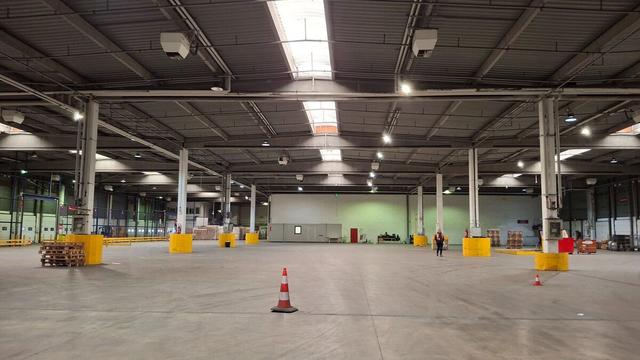
À l’aéroport de Roissy, « plus un seul petit colis » Shein ou Temu : « On a mis des employés en vacances d’office »

Depuis le 1er mars et l’entrée en vigueur d’une taxe sur les petits colis, l’aéroport de Roissy Charles-de-Gaulle reçoit 50 vols de moins par semaine. Les avions atterrissent désormais en Belgique, au Luxembourg ou aux Pays-Bas.

Le Parisien

@hadon

As long as the items imported are taxed, it's an improvement from a legal and financial perspective.

Environmentally still absurd, but that's on customers, not politics.

@proscience
Well, the good news is that France is already working on a law that will take in account environmental damage too. The law will work on educating costumers but also will label each product according to their environmental impact, and a tax will have to be paid according to it. This will make products that damage more the environment during their creation or disposal way more expensive than other products:

https://www.vie-publique.fr/loi/293332-proposition-de-loi-fast-fashion-impact-environnemental-mode-jetable

Later, a similar law can be made for all EU.

@hadon

1/2

Thanks for the link!

I don't know if you know but there's a whole EU framework for textiles with plenty of measures that's kicked off a few years ago, with more and more of them getting implemented over time.

One of them is a digital product passport (DPP) that'll come into force for textiles in 2027 with a transition time of 1.5 years IIRC. Part of that DPP will exactly be its environmental impact.

So yeah, such info has been in the making on the EU level for years—but as

@proscience

No, I didn't know. Thanks for the info!!!

Well, things have changed rapidly in the last year, I think a lot of EU citizens have changed their minds in many issues after all what we have gone through in the last year. So, maybe lobby pressure has morphed into something that makes a difference between EU textiles (produced respecting way more laws) and Chinese textiles that don't respect a lot (and often are even toxic).