First up is the opening excerpt from “Ordo Virtutum”(https://youtu.be/HmgnqY3TKH0?si=vZAgwrfvJzzFjB85). This allegorical, sacred morality play for 17 female voices was written by Hildegard Von Bingen around 1150. It is considered to be the only medieval musical drama to survive with an attribution for both text and music.
#BaroqueSun #WomensHistoryMonth #HildegardVonBingen
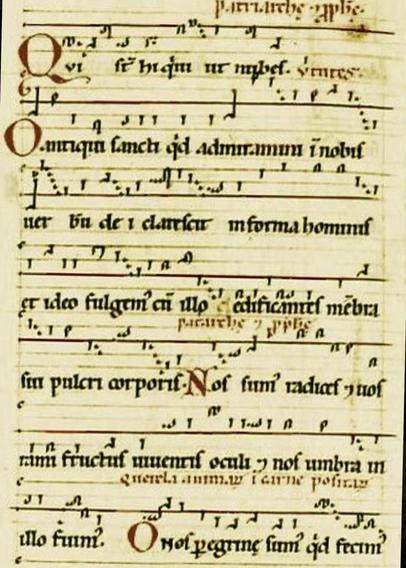
Hildegard Von Bingen AKA Saint Hildegard AKA the Sibyl of the Rhine (approximately 1098- approximately September 17, 1179)🇩🇪 was a German Benedictine Abbees - (later a Mother Superior) and writer, self taught composer, philosopher, mystic, medical writer and practitioner during the High Middle Ages. She is one of the best known composers of early sacred melodies and one of the founders of scientific natural history in Germany.
#BaroqueSun #WomensHistoryMonth #HildegardVonBingen
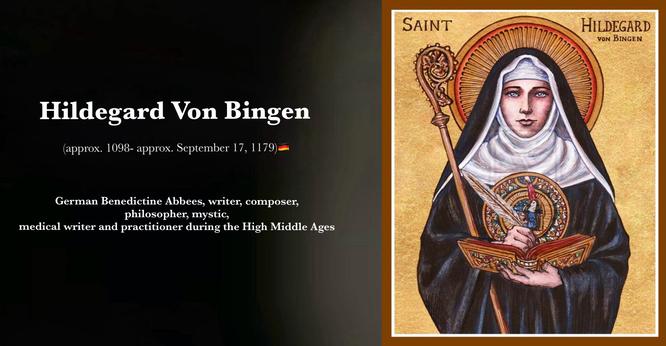
#Ordo virtutum” tells the story of a wandering soul, Anima, and her struggles between the forces of good and evil. You can listen a version of the complete play here (https://youtu.be/M9cvH9TFyr8?si=3ift8JdSArJk2CU2)
#BaroqueSun #WomensHistoryMonth #HildegardVonBingen
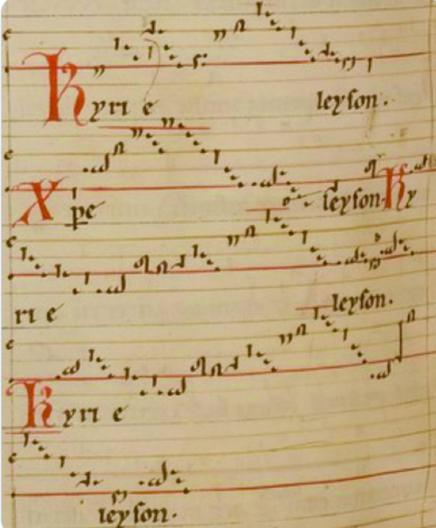
Next we have “Chant to the Holy Angels” (https://youtu.be/yjIAXI2xkEM?si=2pUk8_EsurY4UjTc) is a responsary chant honoring the hierarchy of angels. It’s important to know that in Hildegard Von Bingen was also said to experience religious visions which in modern medical terms were likely either chronic migraines or status migrainosus (migraines that last longer than 72hrs) with aura (sensory symptoms that often include visual and light-related components).
#BaroqueSun #WomensHistoryMonth #HildegardVonBingen
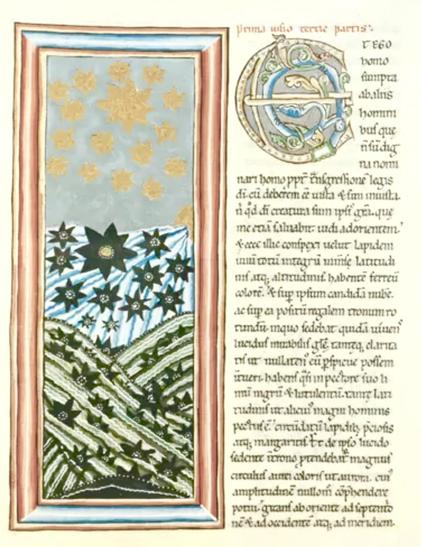
“Chant to the Holy Angels” differs from the majority of chant-based music of early music due to the wide vocal range and the many wide leaps utilized.
#BaroqueSun #WomensHistoryMonth #HildegardVonBingen
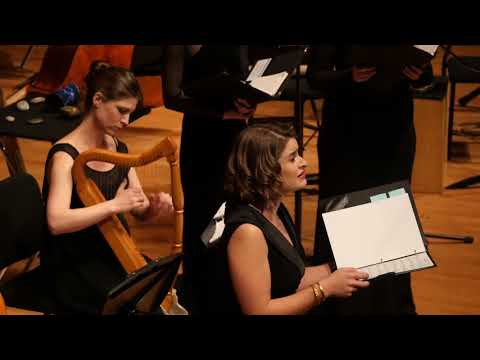
Now, sit back, relax and experience not one but 5 DIFFERENT HYMNS (https://youtu.be/0YTOiJ-zjP0?si=IocetsW_2fgYfFBS) composed by Hildegard Von Bingen
#BaroqueSun #WomensHistoryMonth #HildegardVonBingen
Hildegard von Bingen: Hymns and Songs (12th century)

YouTube
“O Viridissima Virga” was written in the monastic tradition and uses descriptions of botanical phenomena to tell the story of Mary in juxtaposition with that of Eve… basically, it paints a poem with music, okay? Ok.
#BaroqueSun #WomensHistoryMonth #HildegardVonBingen
“O Frondens Virga” , again, uses botanical descriptions to tell the entwined stories of Mary and Eve in particular the concepts of fertility.
#BaroqueSun #WomensHistoryMonth #HildegardVonBingen
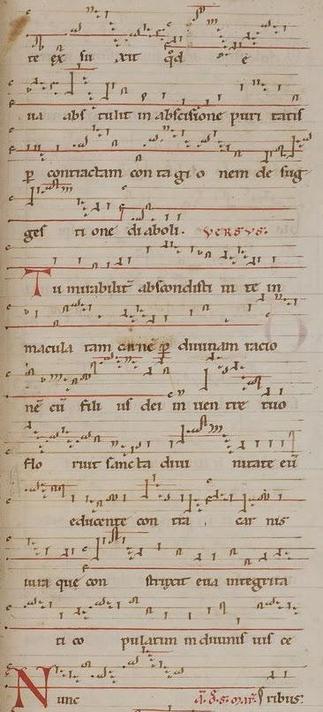
O Quam Mirabalis Est” is less of a full chant and more of what’s known as a “Antiphon” which is a a short, often religious, ritualistic phrase. This one in particular focuses on the miracle of creation.
#BaroqueSun #WomensHistoryMonth #HildegardVonBingen
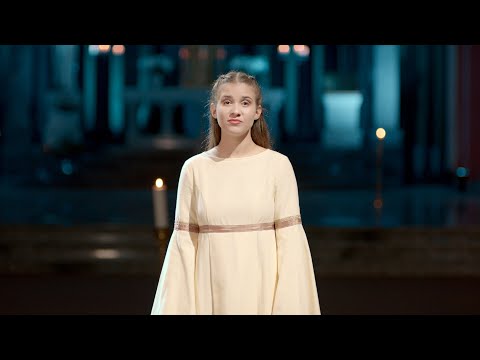
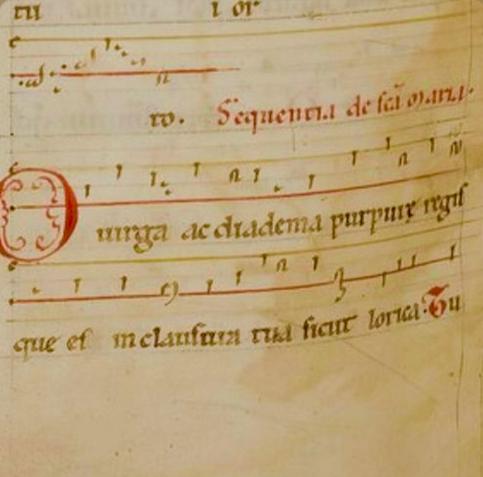
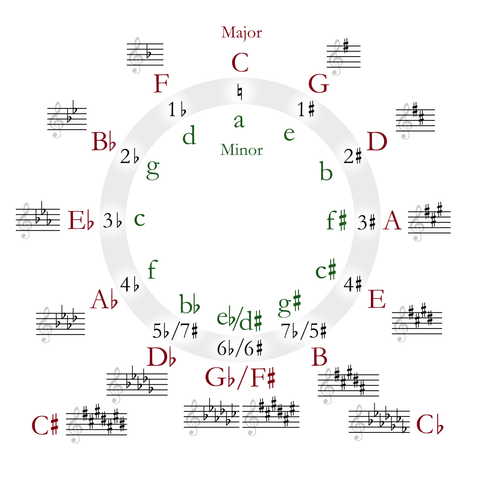
“ O Virga Ac Diadema” leans heavily on ascending fifths to structure itself on a way that follows the ideas of life “blossoming” from Mary and then utilizes melodic plunges to show Eve’s fall from grace.
#BaroqueSun #WomensHistoryMonth #HildegardVonBingen
And “ O viriditas digiti Dei” is form VOn Bingen’s “ Symphonia armonie celestium revelationum” which describes divine growth
#BaroqueSun #WomensHistoryMonth #HildegardVonBingen
And now “O Tu Illustrata” (https://youtu.be/Y_HkOSAW73E?si=AUESQtW18xpYZuFJ) which is basically about Mary’s divine purity
#BaroqueSun #WomensHistoryMonth #HildegardVonBingen
And finally, “Caritas abundat in omnia” (https://youtu.be/F3yEi782RC8?si=a-_iZebmOoXQhyko) a psalm that describes the divine love of a creator. It’s noteable for its soaring passages and, again, the use of a wide vocal range
#BaroqueSun #WomensHistoryMonth #HildegardVonBingen
Hildegard of Bingen: Caritas abundant in Omnia - Love Aboundeth In All Things

YouTube
@analgesicsleep "I like to watch, Eve, I like to watch?!"  #WrongHashtag #baroqueSun
@analgesicsleep Sounds like she was one of the most educated women - remarkable to have that many abilities at any time, but especially during the medieval period! 😯 #BaroqueSun