 tal
talThe RAM crisis could completely change how developers make video games
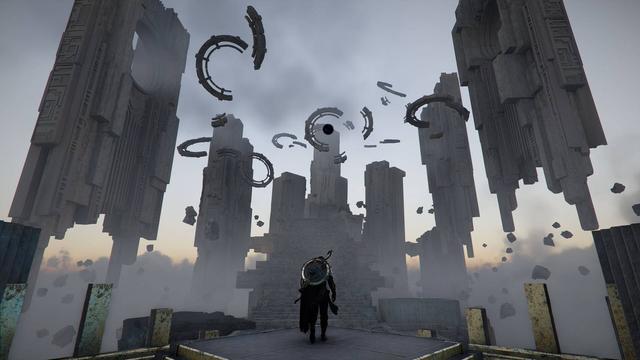
The title is a little more dramatic than the body — in fact, the article is mostly more of a “yeah, this is something that we’ve seen before, more-or-less” take — but it is interesting to get some actual perspectives on impact from the developer side on what the likely changes are. It does also confirm that some studios are working on reducing the memory requirements for their upcoming games.
 BiomedOtaku
Good. Fuck off with high end graphics that need a new graphics card every fucking two months. Give me a good story and gameplay.
 ampersandrew
I’ve been rocking the same graphics card since 2021, and it still plays every new game on high settings. There are very few games that can even afford the production budget that would push a card like that or even a PS5 to its limits anyway. My most-played game is a 2D game from 2012 that can run on a cheap laptop, and the market at large is most focused on games that are so low spec that they can run on phones too.
 Hubi
HubiAnd even if you’re playing a lot of modern AAA games, the settings beyond medium are often just offering diminishing returns. I can barely tell the difference in most cases and it will still tank the FPS down by half. It’s just not worth it.
 Alaknár
Which graphics card are you running ? I have a 4060 personally.
RX6800 XT. It did cost me an arm and a leg when I bought it, due to the shortage at the time, but it’s lasted a long, long time.
Dam that’s a prettyneayt card. So far it runs anything you throw at it ?
Yup. The only game to really stress test it was Borderlands 4, but…that’s because the performance in that game sucks across the board. Even then, they put out a performance patch that helped a ton, and I can still run it on high settings with some frame gen, or a few settings turned down to medium without it.
Please share the name of the 2D game from 2012, always looking for good recommendations
Skullgirls. You won’t find a deeper fighting game.
 thingsiplay
That is not really true. I use same graphics card and upgrade it with new console cycle. Or maybe once in between.
I made that comment in regards to a lot of triple a publishers wanting to push out high graphics to a point where eventually you’ll need to upgrade your card to handle the latest and greatest. I much rather decent graphics but a killer story line with good gameplay mechanics.
 Quazatron
This article is sensationalizing a non-issue. It reads like the author went to the convention with the story already written and then tried (and failed) to find people that supported the premise.
As someone who attended GDC for the full week this year, I can tell you that not a single conversation I had or panel I attended discussed the RAM shortage. I’m sure this topic arose in some circles, especially anything related to the timing or cost of next gen hardware. As a professional AAA game designer of 25 years and an occasional game director, this does not affect the way that the games themselves are made. Games on consoles already have their limitations, games on PC should always be (but not always are) optimized to work across a broad spectrum of hardware configurations, with the minimum spec being the lowest system possible without sacrificing playability.
Even people interviewed in the article are saying the same thing:
“Does this affect us? No,” Subotnick said. “We’re making games on as many platforms as we can to delight consumers. Could it impact us? Sure. If there’s less devices for people to get their hands on, then we potentially have less consumers to sell to. But right now, I’d argue that there are plenty of consumers with plenty of devices for us to sell these games to. Where it could impact us is, sure, we will have to make decisions around next-gen platforms when they tell us that it’s time to bring content to them. And if they are threatened to have a total addressable market that is viable from a business standpoint, sure that’s a business challenge. But right now all I’d be doing is speculating on a bunch of hypotheticals.”
As a professional AAA game designer of 25 years and an occasional game director
What games have you worked on?
I think that you have two factors here. GDC isn’t specific to PC gaming, and additionally, a lot of titles will see both PC and console releases.
For a game that is intended to see only a PC release, my guess is that that that might affect system requirements of the game.
For games that see console releases, things like “will fewer people have consoles” — because current-gen consoles are very unlikely to change spec, just price, is how this manifests itself. “Is the Playstation 6 going to be postponed” is a big deal if you were going to release a game for that hardware.
Indie games are more important than ever.
For the most part they don’t. And it is only one reason why Indie games are important. The other is that the games often tend to be cheaper, sometimes more innovative, doesn’t try to put micrtransactions in everything and so on.
 BurgerBaron
The media has taught me to hate the words could, should, and would when used in headlines but this is probably true for once.
 Luccus
Because of some comments, I’d like to add:
“Optimization” isn’t the same as “high fps”. Optimization is a game of priorities. Take the demo scene: these programs may be 64KB in size (on disk) but are capable of choking a 5090 to death.
This may just mean we get even worse performing titles, because the “quadruple-A” guys don’t give a fuck.
There’s some optimization I’d like to see on both the project planning level, and the game visuals level. Planning level, because paying 10 level designers to put together interesting ideas for a year might be a better use of $1mil than enlisting a celebrity to voice one character in your game. On the visuals level, making a game with an eye-catching, unique art style that serves the style of gameplay might work better than developing a game that makes nice screenshots but can only run on a 5090 and requires highlighting to point players to obvious gameplay elements because of all the detailed objects. (There’s a reason Doom and Quake have fans even in 2026)
 🇰 🌀 🇱 🇦 🇳 🇦 🇰 🇮
 All video games in the future will be PINBALL. Pure mechanical games that don’t need memory beyond keeping a single number (the score). 😤
 addie
addieThe gamers I surround myself with were playing Slay the Spire 2 last week. I hope more people play indie games which don’t have crazy system requirements.
Power gamers/multiplayer gamers who chase after AAA gaming and buying brand new games - I hope you guys consider looking beyond what the big companies are doing.
 Ceezee the Wolf
The indie surge will continue, but for most AAA devs its just going to be investor pandering ultra high fidelity stuff. Which is kinda whatever for me personally?