 Daleks in Paradise
 Massimo
Chiengora, also called "dog wool," is yarn or wool spun from dog hair
 Ashe Dryden 🙆🏼♀️🐈🐈⬛
@Rainmaker1973 mmm, seems not real to me. The fur is all in balls and none of it is colored? Then the yarn has a consistent thickness which handspun rarely has. And you don’t dye yarn with paint. 🤷🏼♀️ @cczona
 Fish Id Wardrobe ⁂
 Carina C. Zona
@fishidwardrobe I think they meant fabric dye. The sweater is still malleable afterward, so I don't think it could be a latex paint or something else we consider "paint".
Besides, a lot of handspinners just color their yarns with kool-aid. So there are options!
@cczona well, we're wondering whether it's AI slop.
@Ashedryden I've recently been preparing to create my first dog yarn knit. A step that was glossed over here was spinning the yarn. I thought it was just amateurish editing, but in retrospect I dunno maybe genAI?
@cczona I hate that we can't trust anything anymore 😭
@Ashedryden yeah. It means even real stuff gets shadowed with suspicion. I wish genAI were mandated to disclose its origin. I know when a chair comes from China, but not when a video comes from Sora? Not cool.
@Ashedryden OP is a bot that posts random video clips. So I'm inclined to conclude it's slop. Un-RTd it.
 Skookumchick
@Rainmaker1973 First Nations people on what is now the west coast of Canada actually did breed dogs for fibre ...
https://www.cbc.ca/news/canada/british-columbia/salish-dog-history-1.6111629
https://www.cbc.ca/news/canada/british-columbia/salish-dog-history-1.6111629
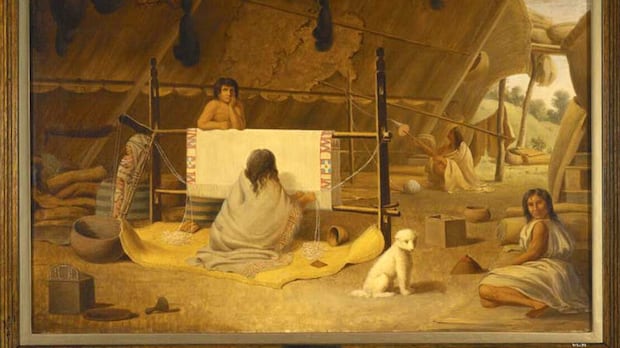
Whatever happened to the Salish woolly dog? Learn more about this extinct breed with virtual history lessons | CBC News
Museum of North Vancouver Indigenous Cultural Programmer Senaqwila Wyss of the Sḵwx̱wú7mesh Úxwumixw (Squamish Nation) is hosting free online sessions with the museum that will explore the history and cultural importance of the now extinct furry friend of many coastal First Nation communities.