 huxley(fur) / Laelia 🔜 Furcationland DeadDog
 Caius Nocturne🌿🌙
A reminder that the past is a fun diversion at best, and not a solution to anything. Swapping out your phone for iPods and digicams is a vintage hobby, not the basis of a realistic political worldview.
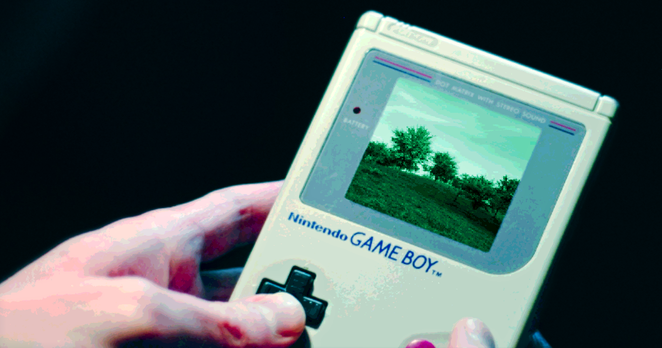
Rags like the Daily Mail are full of articles assuaging the egos of older generations by telling them that they had it better, that they were brought up properly, that only they know the value of X. You don't need to be like them.
 Ja'aran
@nocturne This doesn't really work for me because "exchanging Spotify for an iPod is to me something more akin to deciding to live in the woods", while honest, isn't a real argument.
There is no argument being made here other than "social suicide", which, I don't care. So what? Your parents don't need access to you on WhatsApp, that's ridiculous.
The thing is, streaming services like Netflix and Spotify weren't "the future", they were just a tech-bro libertarian bullshit project. And if you remember, we were pointing all this out 10 years ago, this isn't a new observation.
The trouble with the internet sometimes is that every drooling yahoo now has a whole box of academic sounding terminology to throw at people whenever they're in a rage.
And this is what "The Rise of the Techno-Pastoral" sounds like to me, another one of those hysterical moral panics though which to find increasing ways to overreact to someone expressing a contrarian viewpoint, over something that doesn't matter.
There are no Techno-Pastoral's, I just download music and lurk on the Deltarune forums sometimes. This is a normal thing to do online.
There has never been a time when we were living in a purely "modern society", there's always been a mix of the old and the new. I don't speak for anyone else, but for me, life growing up was more akin to something like Napoleon Dynamite, which could've taken place in any time period.
@EatingHawaiianP1zza I disagree, there are distinct issues with people using their own pasts as a way to frame today's issues that are adjacent with technology.
I don't think ditching Spotify for an iPod is inherently being pastoral and I don't think the author is arguing that. The issue is in the projection that people can make and how they frame it.
For instance, I have a local music collection, but that choice is a function of personal preferences and circumstances, it's not because I'm pining for the time of my iPod Shuffle when I was 13, and I'm not telling anyone that my ideal should be their ideal.
This does matter - I see techno-pastoralism in governments working to upend a free and open internet, and I've seen it to my personal own detriment as a former art student in the 2010's, who had to constantly fight with teachers to use digital tools with dignity and without getting worse marks because they explicitly had a pastoral ideal and they were trying to put it on me.