 Dr. Victoria Grinberg
Donating! 🩸 If you can, please do, too!
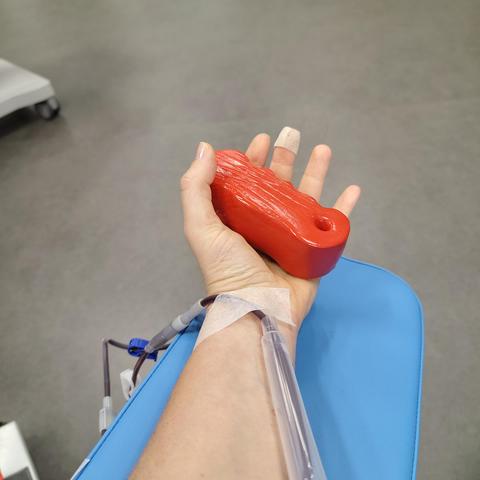
@vicgrinberg My local blood bank has currently blocked me because my medication (Ozempic) would represent a risk. When I asked "Which risk?" they couldn't give me one.
Other blood banks would accept me, but are out of reach.
@vicgrinberg You link mentions as reason a possible teratogenic effect.
A systematic review published in late 2025 covering five studies with a total of 1,128 semaglutide-exposed pregnancies found mixed results, but concluded that current evidence does not indicate a consistent increased risk of major congenital malformations associated with semaglutide exposure.
https://www.sciencedirect.com/science/article/pii/S0301211525011121
And then we need to take into account, that the study was done with women who continuously take semaglutide during pregnancies. So the study was done with a dose several orders of magnitude higher than that of a blood donation from a person with that medication.
The risk evaluation is totally off as "not receiving a blood donation" carries a thousand times the penalty. And they still send me push notification to come donating blood as they risk running dry 🙂.
P.S. If they would check for alcohol in the system (which has a a proven negative effect) they would lose a significant portion of their current donors.
@vicgrinberg
What's with their bike helmet approach?
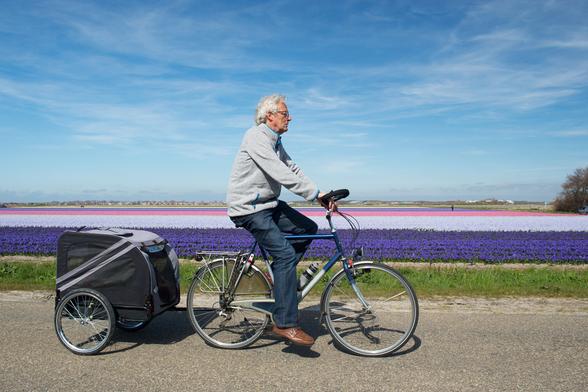
While it may be shocking to many expats, most Dutchies cycle without helmets! If you are cycling with a helmet in the Netherlands, people can tell that you're not a local. Cycling is an important part of Dutch culture. As the Dutch dare to do what most people wouldn't do…
@vicgrinberg
I am not Dutch, but I only started wearing a helmet several years ago, when I realised that sometimes I like to ride bicycle too fast and might lose control or hit someone if not paying attention properly. It turned out, bike helmets are perfect head cover for rainy days (of which we have far too many in Northern Germany), so now it's my standard accessoire.
Compulsory helmets would be devastating, I absolutely agree.
@vicgrinberg
Ja, das habe ich gehört. Habe mir auch gleich gedacht, dass ich mein Käppi nicht vergessen darf, wenn ich mal in die Niederlande verreise. :)
Und diese ständige Helmnotwendigkeit im öffentlichen Diskurs ist ein Unding. Man lernt schließlich in der Fahrschule, dass man vorausschauend und rücksichtsvoll zu fahren hat. Da sollte die Gefahr für Leute zu Fuß und hoch zu Drahtesel schön minimal sein. Ist mir immer noch unerklärlich, wie die Leute das vergessen, sobald sie den Führerschein in der Hand halten. Aber das ist eine ganz andere Diskussion.
Jedenfalls danke für diese Logik hinter der Helmfreiheit in NL, war mir nicht bekannt. Ich dachte, die sind einfach entspannt. (Was bestimmt auch zutrifft.)
 Martin Seeger
 Ditol
Ditol