 Deirdre Connolly¹ ²
PhotoDNA broken??? eprint coming, 'whitebox attack'
#realworldcrypto
Nicky formerly of NIST is looking for gigs
#realworldcrypto
@kientuong114.bsky.social matilda and matteo plug Cryptographic Applications Workshop at Eurocrypt in Rome caw.cryptanalysis.fun
#realworldcrypto
CAW
CAW
Crypto job board
#realworldcrypto
@filippo.abyssdomain.expert plugs Wycheproof test vectors github.com/C2SP/wychepr...
#realworldcrypto
GitHub - C2SP/wycheproof: Proj...
GitHub - C2SP/wycheproof: Proj...

Michael Rosenberg offering opsec trainings, materials; points out that cryptography is the rearrangement of power
#realworldcrypto
Talk to Peter Schwabe if you'd like to further sponsor Real World Crypto
#realworldcrypto
Thom on Merkle Tree Certs
github.com/davidben/mer...
#realworldcrypto

White-Box Attacks on PhotoDNA Perceptual Hash Function
𝑃ℎ𝑜𝑡𝑜𝐷𝑁𝐴 is a widely deployed perceptual hash function used for the detection of illicit content such as Child Sexual Abuse Material (CSAM). This paper presents the first mathematical description of 𝐴𝑙𝑙𝑒𝑔𝑒𝑑 𝑃ℎ𝑜𝑡𝑜𝐷𝑁𝐴, a new function which has identical outputs to that of 𝑃ℎ𝑜𝑡𝑜𝐷𝑁𝐴 for a large database of test images. From this description, several design weaknesses are identified: the algorithm is piece-wise linear and differentiable, the hash value only depends on the sum of the RGB values of each pixel, and it is trivial to find images with hash value equal to all zeroes. The paper further demonstrates that gradient-based optimization techniques and quadratic programming can exploit the mathematical weaknesses of 𝐴𝑙𝑙𝑒𝑔𝑒𝑑 𝑃ℎ𝑜𝑡𝑜𝐷𝑁𝐴 and 𝑃ℎ𝑜𝑡𝑜𝐷𝑁𝐴 to produce visually appealing exact collisions and second preimages; for near-collisions and near-second-preimages the image quality can be further improved. The same techniques can be used to recover the rough shapes of an image from its hash value, disproving the claim from the designer that 𝑃ℎ𝑜𝑡𝑜𝐷𝑁𝐴 is irreversible. Finally, it is also shown that it is easy to produce high-quality perceptually identical images with a hash value that is far from the original image allowing to avoid detection. We have implemented our attacks on a large set of varied images and we have tested them on both 𝐴𝑙𝑙𝑒𝑔𝑒𝑑 𝑃ℎ𝑜𝑡𝑜𝐷𝑁𝐴 and 𝑃ℎ𝑜𝑡𝑜𝐷𝑁𝐴. Our attacks have success rates close or equal to 100% and run in seconds or minutes on a personal laptop; they present a substantial improvement over earlier work that requires hours on parallel machines and that results only in near-collisions. We believe that with additional optimization of the parameters, the image quality and/or the attack performance can be further improved. Our work demonstrates that 𝑃ℎ𝑜𝑡𝑜𝐷𝑁𝐴 is unreliable for the detection of illicit content: it is easy to incriminate someone by sending them false content with a hash value close to illicit content (a false positive) and to avoid detection of illicit content with minimal modifications to an image (a false negative). False positives and leakage of information are particularly problematic in a Client Side Scanning (CSS) scenario as envisaged by several countries, where large hash databases would be stored on every user device and billions of images would be hashed with 𝑃ℎ𝑜𝑡𝑜𝐷𝑁𝐴 every day. Overall, our research cast serious doubts on the suitability of 𝑃ℎ𝑜𝑡𝑜𝐷𝑁𝐴for the large-scale detection of illicit content.
SQIsign is very nice and not broken! - lorenz panny
#realworldcrypto
Bas says Cloudflare has PQ internships in London Lisbon and Austin
LUNCH
#realworldcrypto
Next up, Nadia Heninger on 'A bird's-eye view of cryptographic practice'
#realworldcrypto
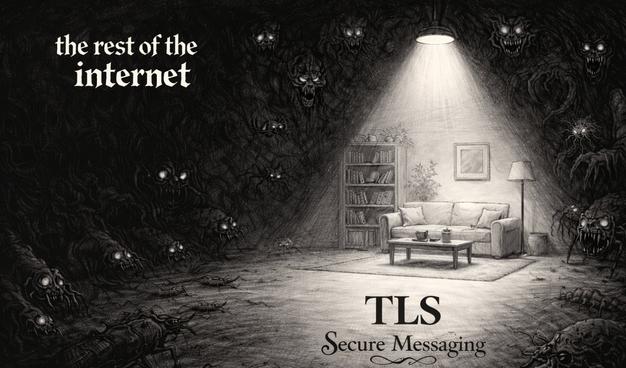
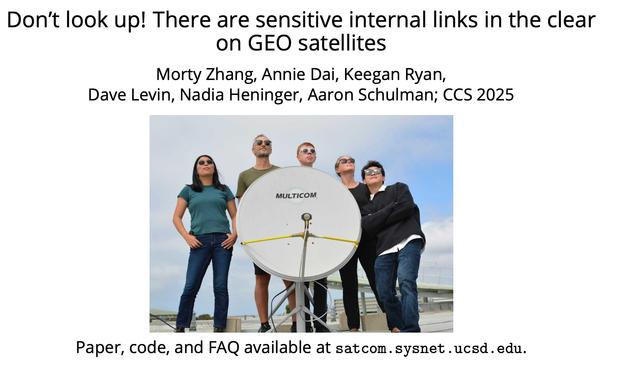
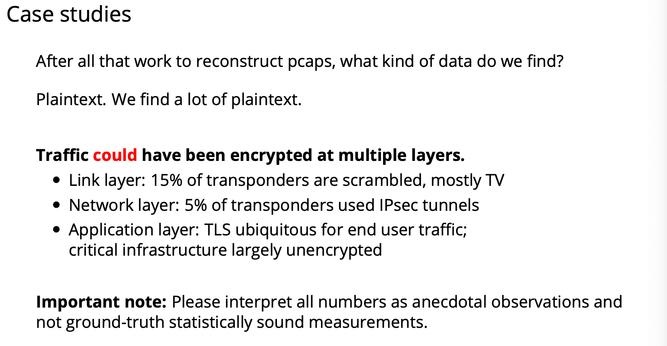
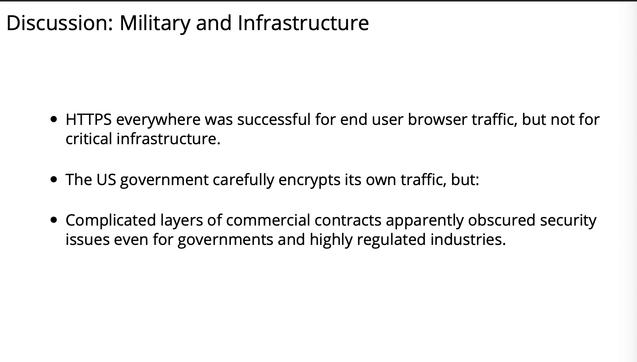
"Blissfully unaware of the last 15 years [of crypto breakage]"
#realworldcrypto
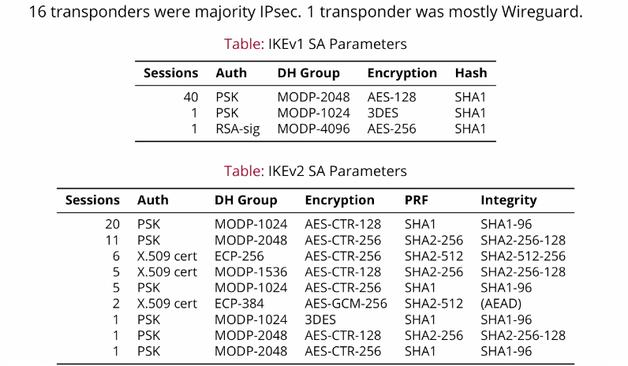
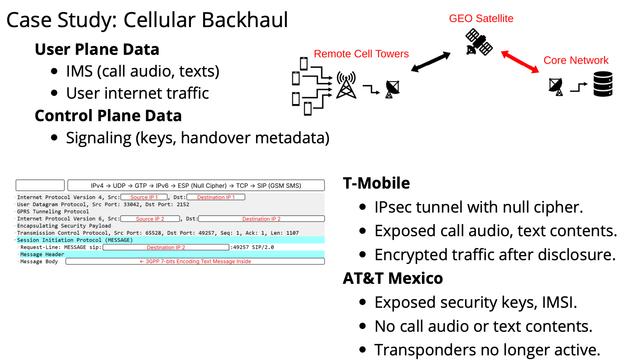
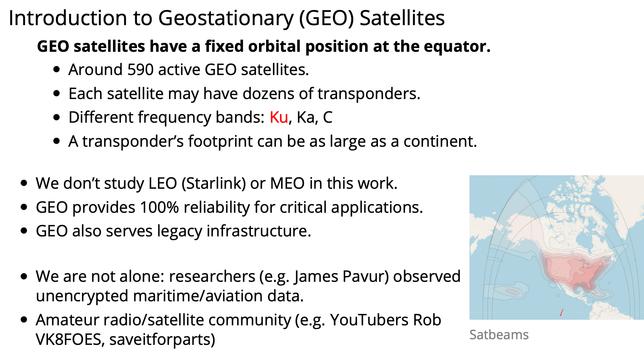
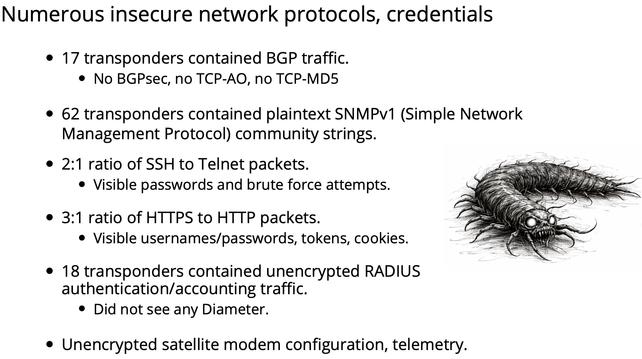
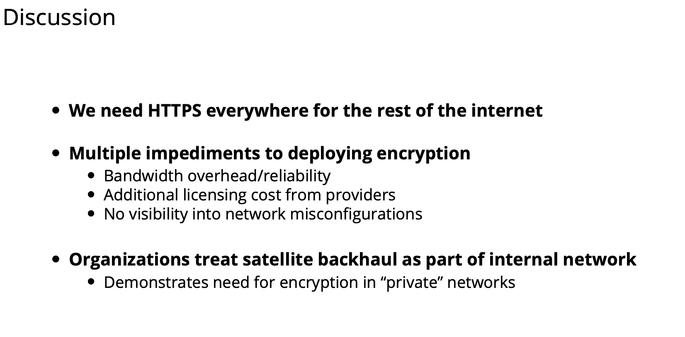
In-flight wifi is not encrypted; https is happening though
#realworldcrypto
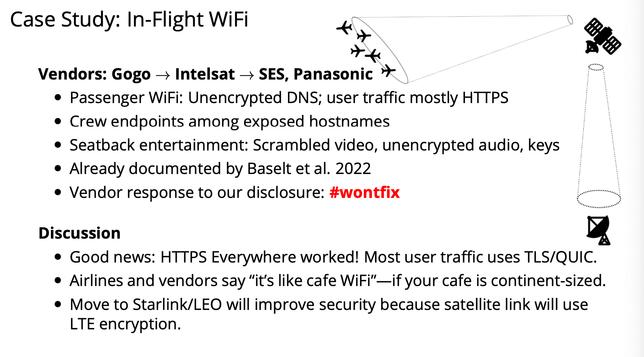
Starlink is encrypted
#realworldcrypto
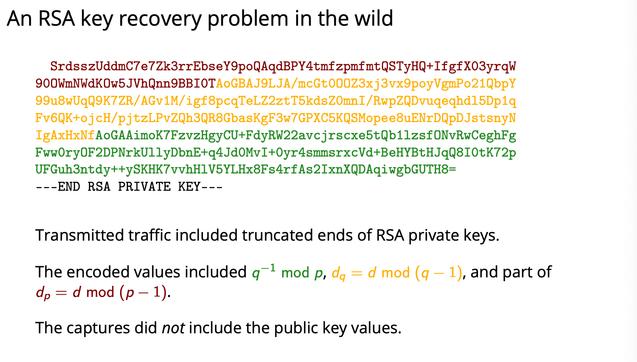
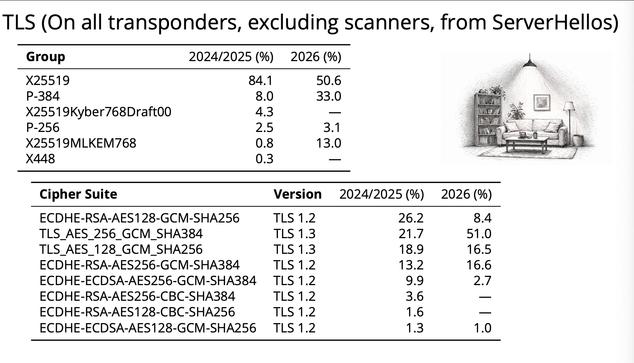
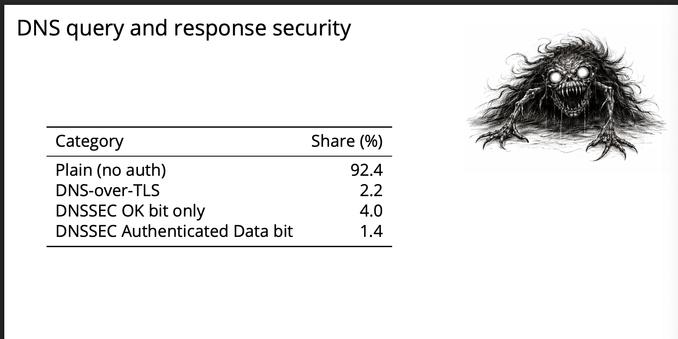
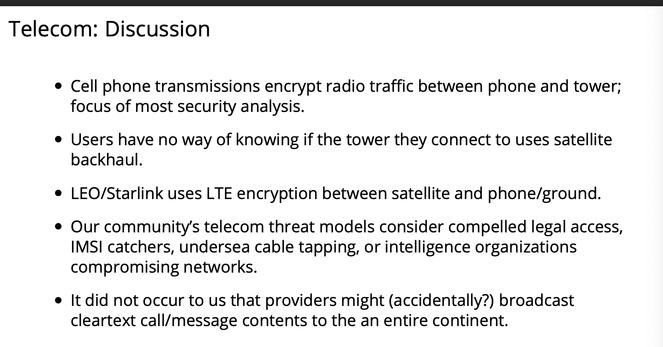
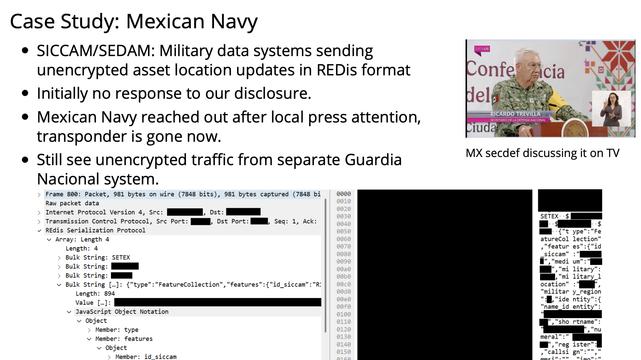
"It's really hard to disclose vulns to foreign militaries"
#realworldcrypto
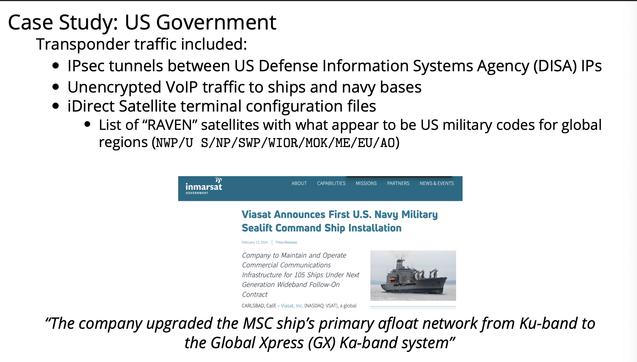
US gov, when we finally got in contact, took config mistakes very seriously
#realworldcrypto
Next up, '(Dis)patches from the Web PKI: Fina, Static CT, MTC, and PLANTS', presented by Luke Valenta
#realworldcrypto
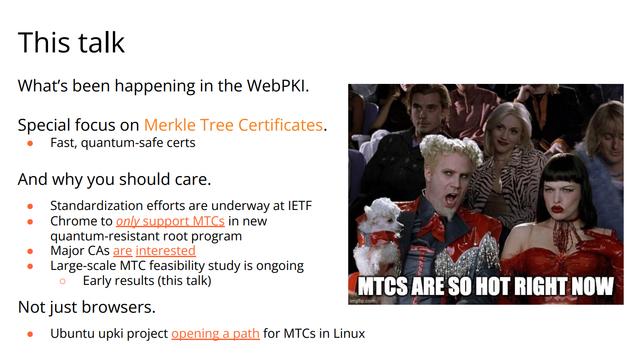
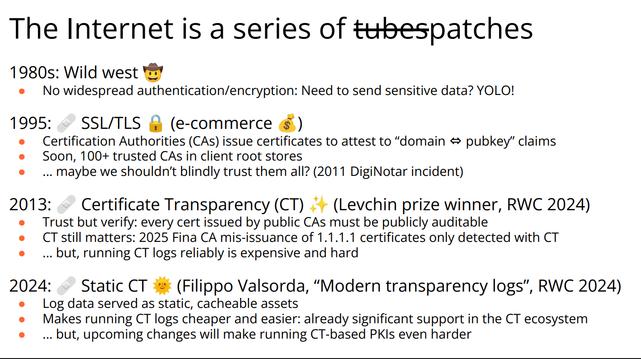
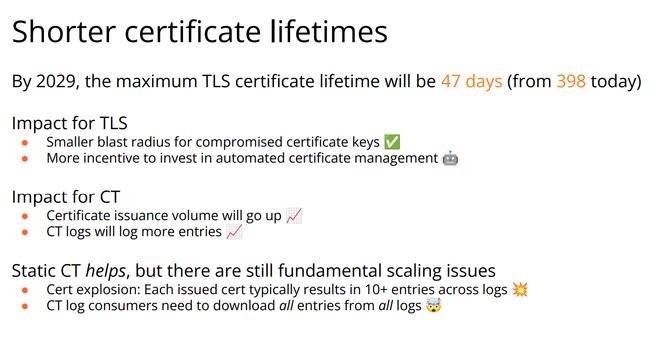
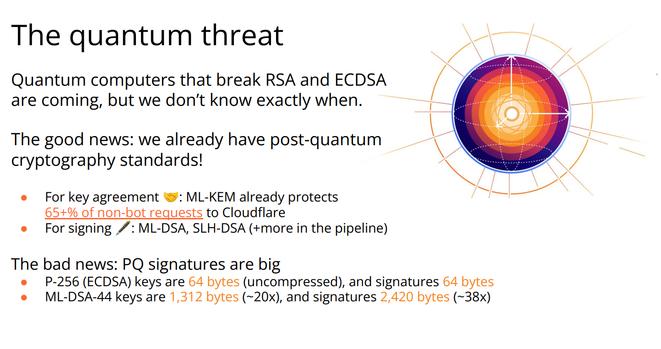
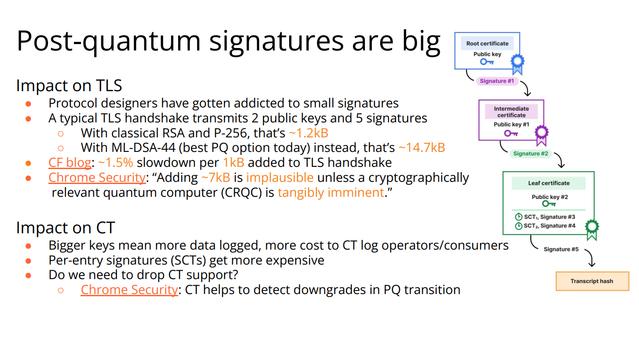
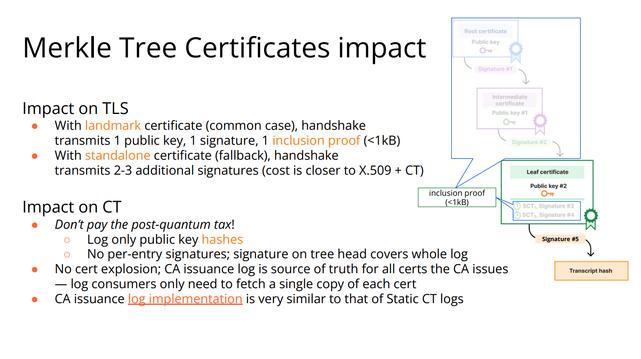
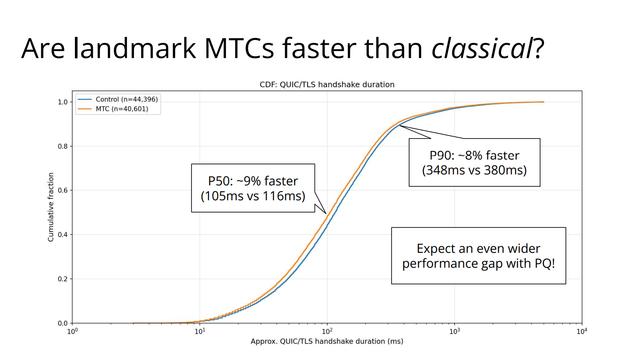
In TLS in browsers will add ~7KB to each handshake, ~10% slowdown
#realworldcrypto
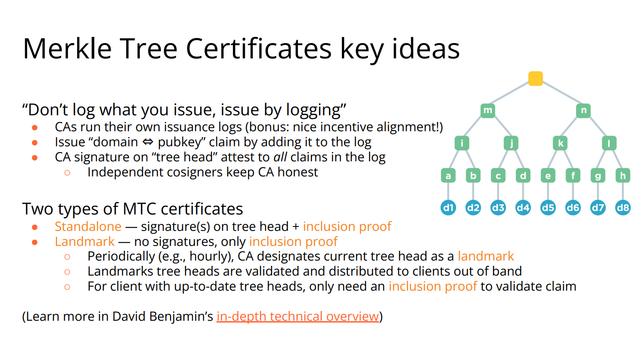
Instead of achieving transparency by logging what is issued, we issue by logging and get both at once
#realworldcrypto
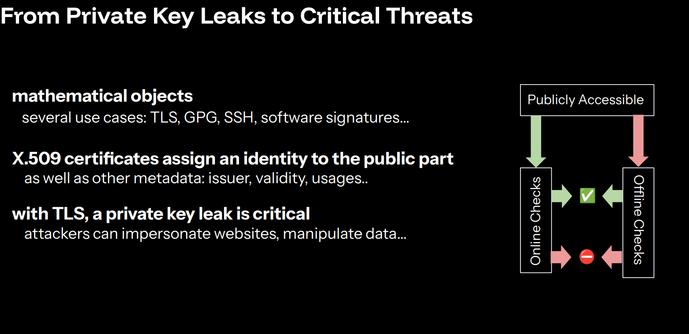
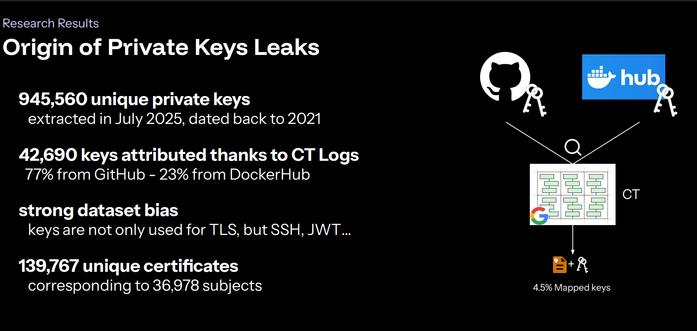
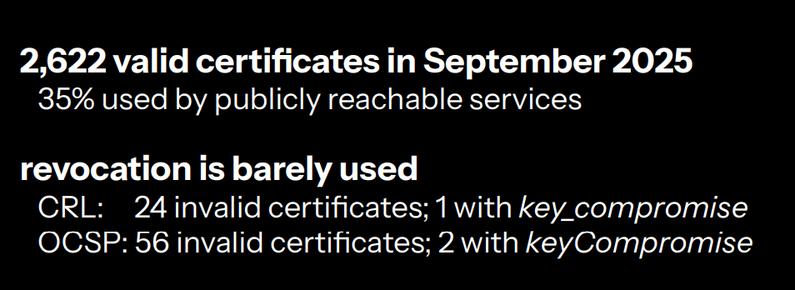
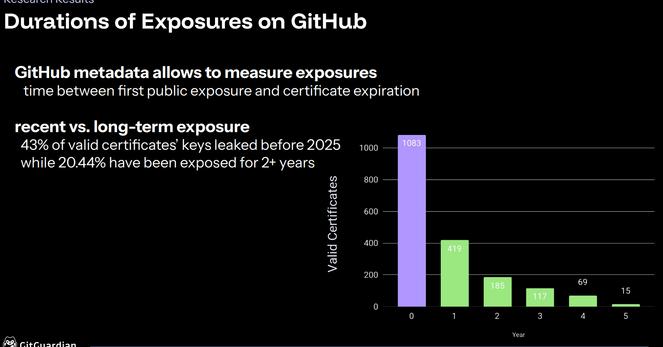
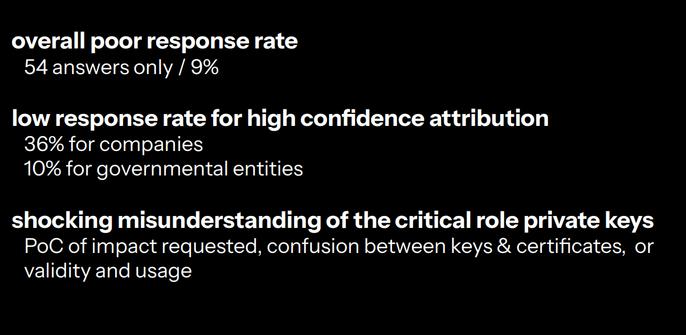
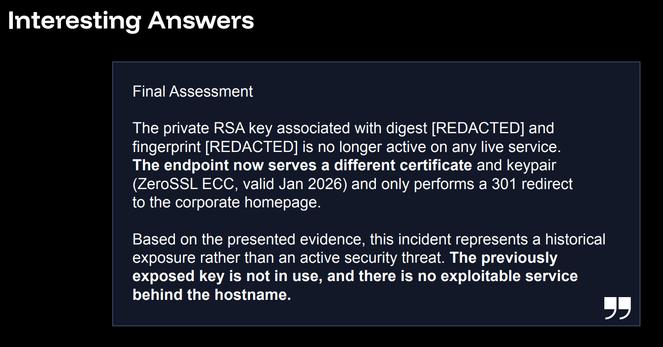
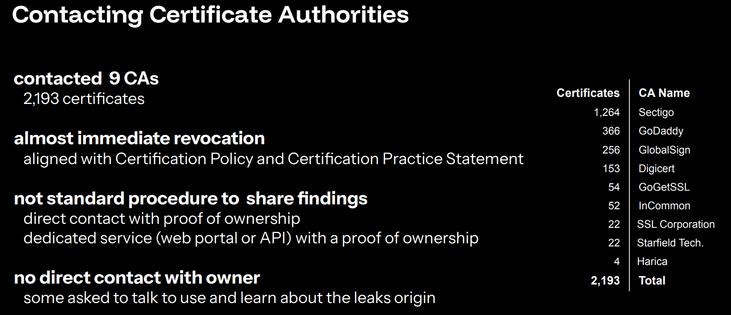
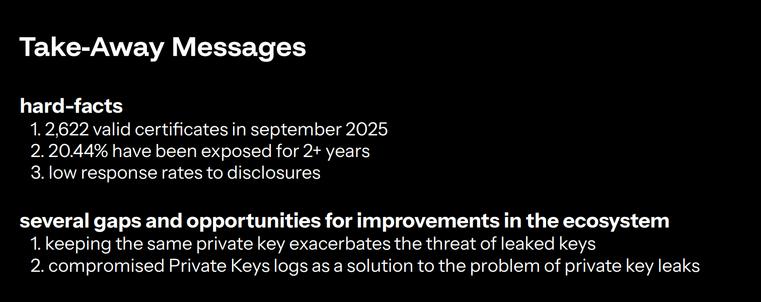
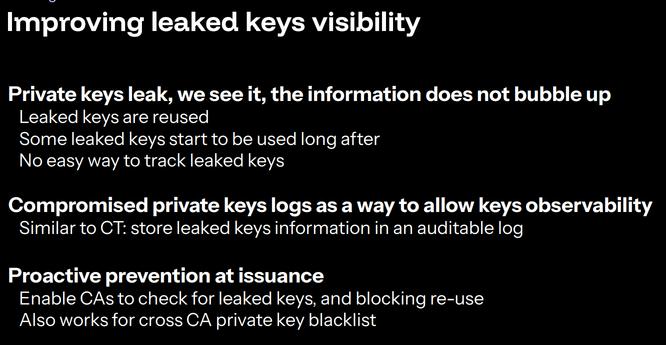
Next up, 'Private Key Leaks in the Wild: Insights from Certificate Transparency', presented by Guillaume Valadon and Gaëtan Ferry
#realworldcrypto
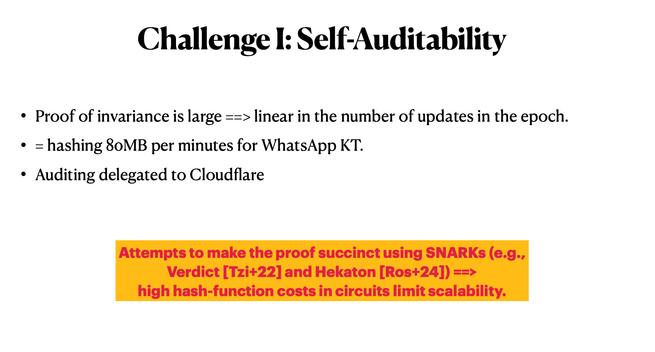
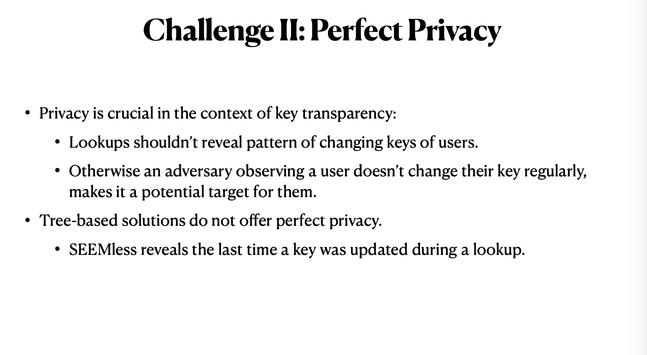
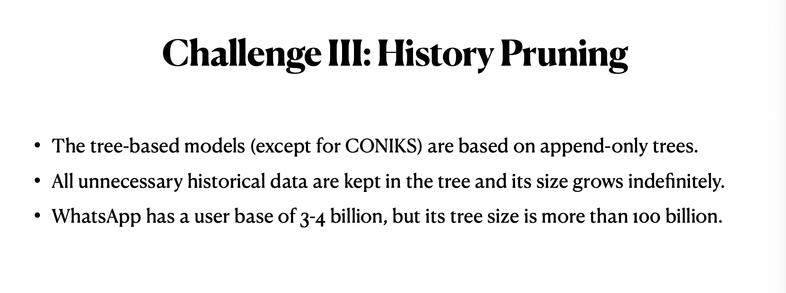
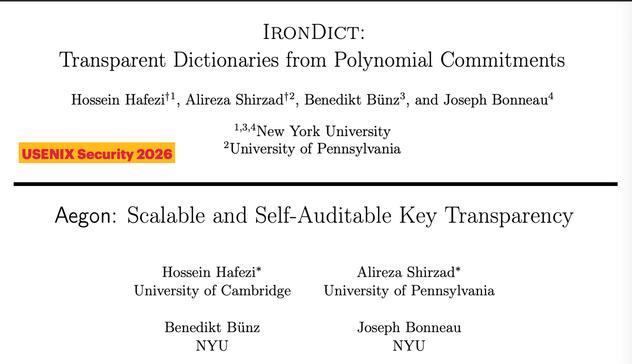
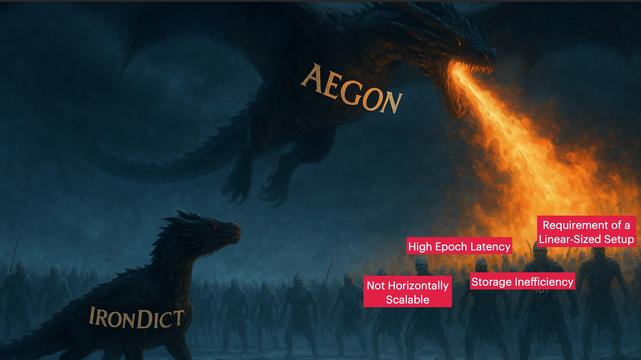
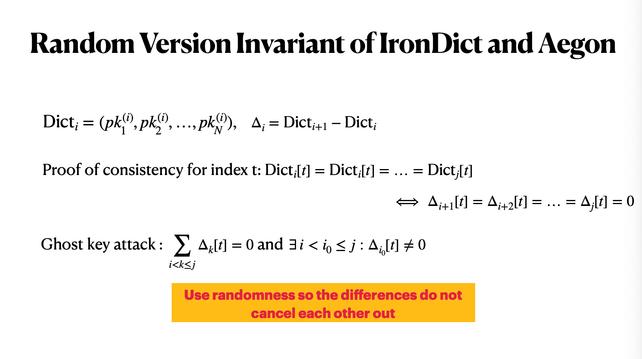
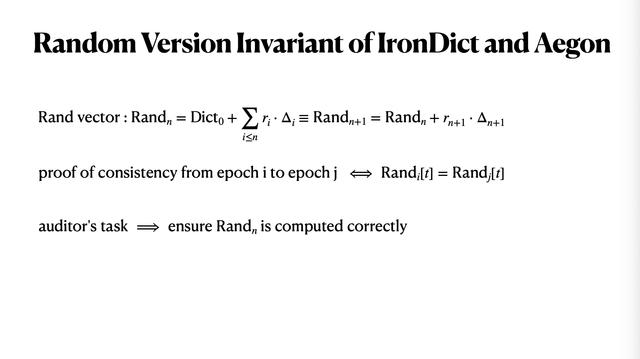
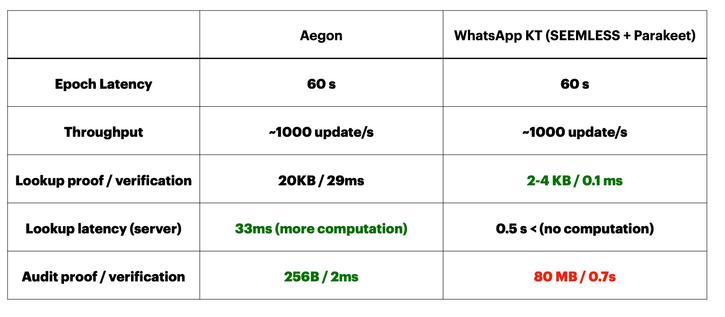
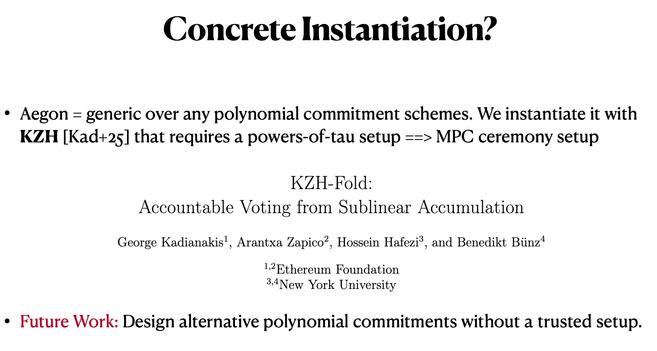
Next up, 'Self-Auditable Key Transparency at Scale', by Hossein Hafezi
#realworldcrypto
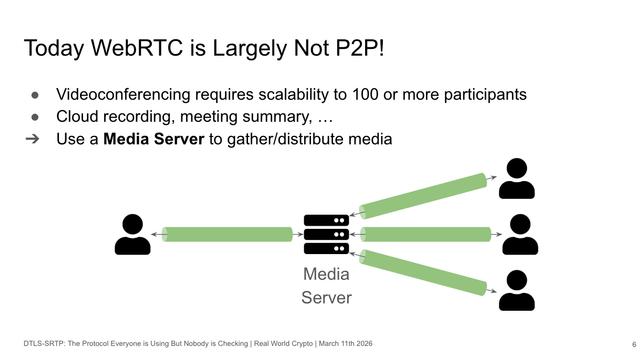
Next up, 'DTLS-SRTP: The Protocol Everyone is Using But Nobody is Checking', presented by Robert Merget
#realworldcrypto