Paulette
New year, new books! This is my thread of books I’ve read in 2026. My goal is to read at least 60 books. Here’s to a wonderful year of great reading!
I enjoyed “Moonflower Murders” by Anthony Horowitz, a complex murder mystery involving a missing woman, an old murder, a mystery novel holding cryptic clues, an isolated hotel, and a wide cast of suspects. As in Horowitz’s previous book, “Magpie Murders,” this also features conflicted book editor Susan Ryeland, a book within a book, an homage to old fashioned mystery novels, and a complicated storyline. I was kept guessing until the very end. Very good.

I really liked “Tulip Fever” by Deborah Moggach, a poetic, dreamlike story of an elderly husband, his much younger wife, and a handsome young portrait painter set in 17th century Amsterdam. The story involves deception, quick money, jealousy, art, and passion, at a time when the Dutch city is the mercantile capital of the world. Thrilling and beautifully written - recommended.

“Honor” by Thrity Umrigar is the harrowing story of a young Indian-American journalist who who returns to the country of her birth to cover the story of a horrific crime against a woman in rural India. Beautifully written and thought provoking, the novel deals with themes of modern vs. traditional values, women’s roles, class and wealth, truth and honor, and religion. The characters are finely-drawn, but the book is really a love letter to that complicated and contradictory nation. Very good.

“Dead Lions” by Mick Herron is a clever, complex spy novel featuring the misfit denizens of Slough House, derisively known as the “slow horses.” In this one, they deal with a possible Russian sleeper agent from the Cold War. There are plenty of twists and turns, double dealing, secrets, and chases, all related with a wry humor and a building tension that make this a fun, thrilling read. Very good.

I wasn’t crazy about “Lost Lambs” by Madeline Cash, the story of a quirky, totally dysfunctional family in an odd industrial town with oddball residents. The characters’ main defining characteristics are them being clever and quirky and secretive and interacting in odd ways with the other characters. There is also a bizarre conspiracy scenario for them to be involved with, which is dispensed with rather quickly and then the book trails to an ending.

“Dog Songs” by award-winning poet Mary Oliver is a lovely small gem of a book featuring her poems about the many dogs she has shared her life with. Written with the sensitivity of both a poet’s keen perception of the world and the love and warmth of a dog person, the poems are small meditations of dogs’ places in the world and in our lives. Beautiful illustrations by John Burgoyne enhance the book’s sense of tranquility.

“The Dream Hotel” by Laila Lalami is dystopian tale featuring a young mother who is flagged and assigned to a retention center based on algorithmic data showing an elevated risk score and a likelihood of future violence. She’s housed in a prison-like work facility where a Byzantine system makes it impossible to gain release. The book has a lot to say about freedom, choice, technology, and data collection which are incredibly relevant to current events.

“Assistant to the Villain” by Hannah Nicole Maehrer is a cute romantasy featuring a spunky young woman who takes a job as an assistant to “The Villain,” an evil-doer who terrorizes the kingdom. Despite some occasionally clunky writing and plotting, I liked the characters and their sassy banter. I also liked the conceit of a bad guy with a corporate structure and defined job roles. The romance is teased from the very beginning, and the wacky, magical fantasy world is charming and inventive.

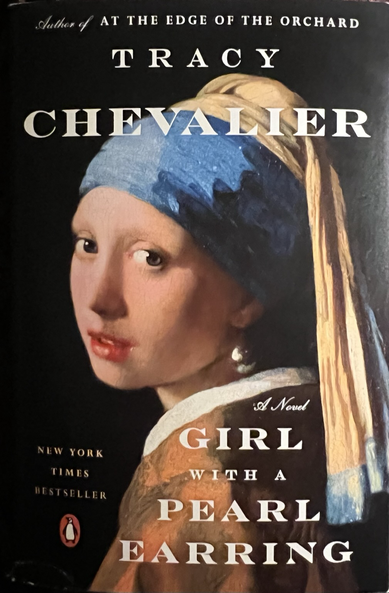
I loved “Girl With a Pearl Earring” by Tracy Chevalier, a beautifully crafted story of a young woman who becomes a maid in the busy Vermeer household, and how she came to pose for the famous painting. Although the maid herself is fictional, I was impressed with Chevalier’s attention to historical details, immersing the reader in the day to day chores of a 17th century housemaid. The book deals with themes of wealth, class, religion, art, and women’s roles. Excellent and recommended.
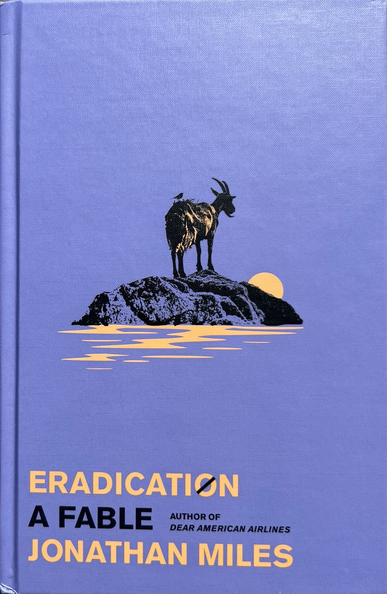
“Eradication: A Fable” by Jonathan Miles is the memorable and heartbreaking story of a man who takes a job, sponsored by an environmental group, to eradicate goats from a remote Pacific island in order to restore native species. It turns into a thoughtful meditation on man’s place in the ecosystem, the beauty and savagery of nature, and morality and survival, as our protagonist wrestles with his own demons and inadequacies. Profound and moving - recommended.
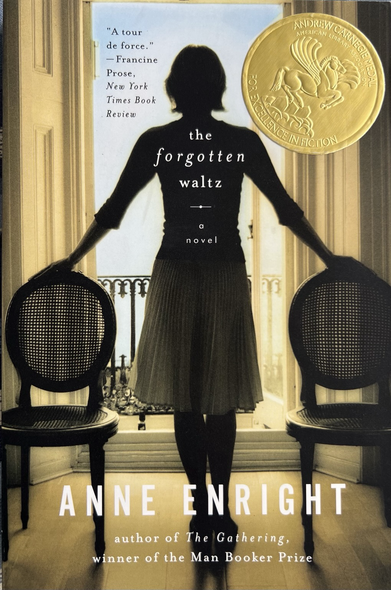
I really disliked “The Forgotten Waltz” by Anne Enright, the story of a woman having an affair with a married man. The narrator and main character was so unpleasant - self-centered, judgmental, superficial, and snide - that it was difficult to care about her story. Her older, married lover is also no prize, being selfish, controlling, and cowardly. A boring, sordid story of a long term affair between repulsive people eventually navigating the ruins of destroyed families. Not recommended.
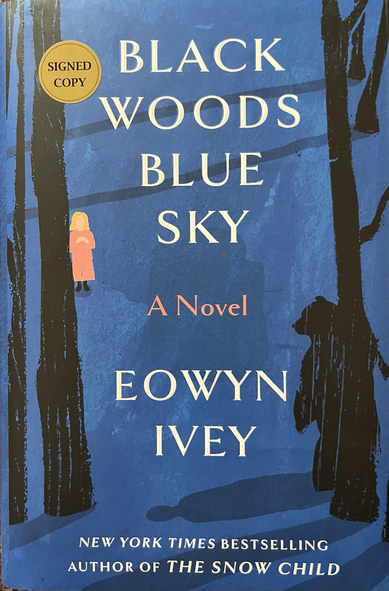
“Black Woods Blue Sky” by Eowyn Ivey is a beautiful, bittersweet modern fairy tale about a single mother living life on her own terms in the Alaskan wilderness. The characters are poignant and well-drawn, and the story emphasizes both the beauty and danger of the backwoods environment. With a little bit of magical realism, “Beauty and the Beast,” and “The Changeling” thrown in, the story focuses on themes of independence, family, humanity, love, and survival. Lovely and memorable - recommended.
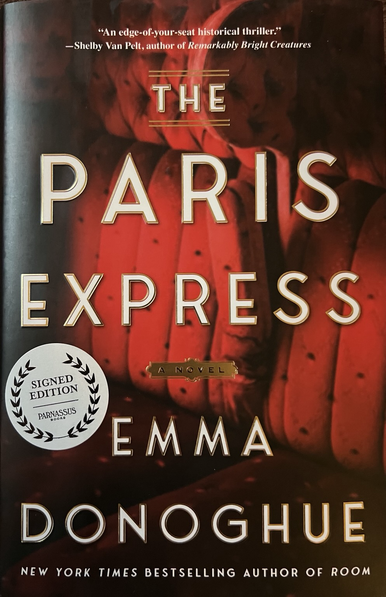
“The Paris Express” by Emma Donoghue is the tale of a real-life 1895 train disaster, following the train from its origin in Normandy, and introducing the passengers on its journey to Paris, including an anarchist carrying a bomb that can blow up the train. The novel is very Hitchcockian in its structure - the readers know early on about the young woman with the bomb and her intentions, but none of the passengers do, and the tension builds as the miles go by. Very clever and compelling.