 Deirdre Connolly¹ ²
Next up, '"Security vs. Interoperability'': Real Tension or False Dichotomy?', presented by Daji Landis
#realworldcrypto
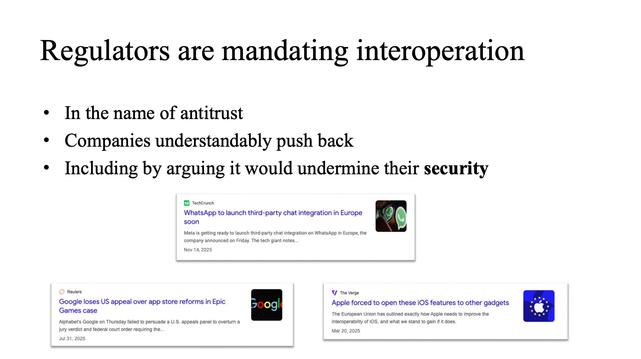
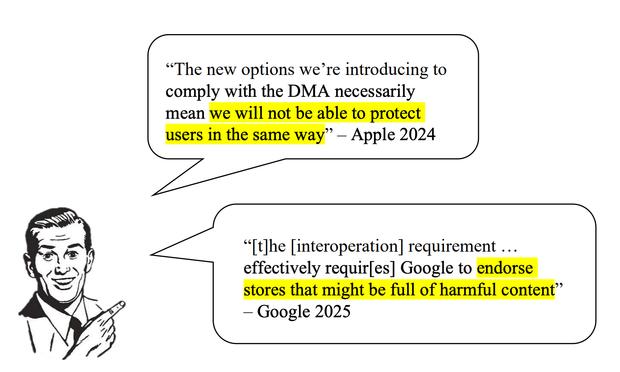
A framework for analyzing “security vs interoperability” arguments
#realworldcrypto
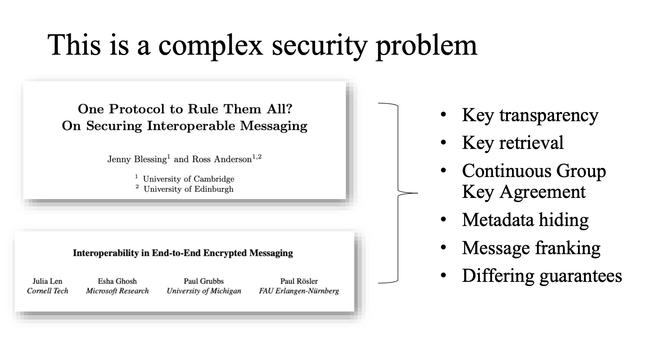
Something between full federation and fully siloed
#realworldcrypto
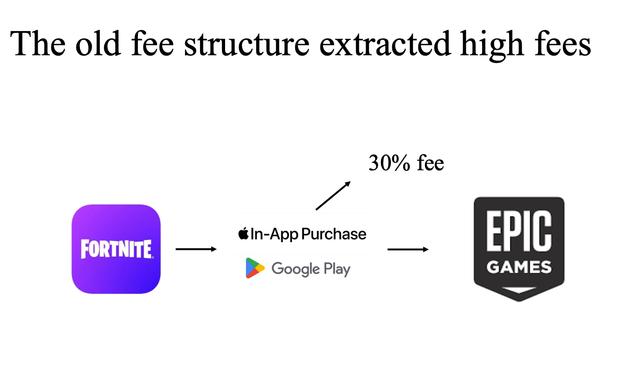
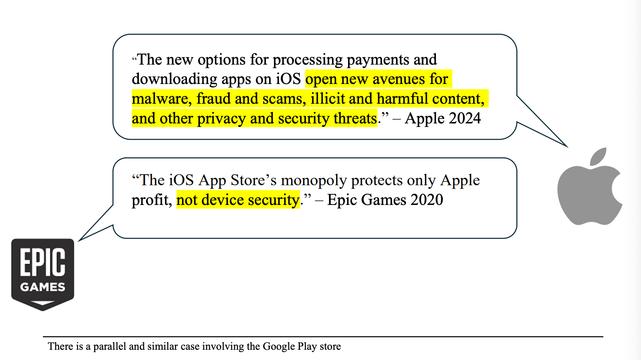
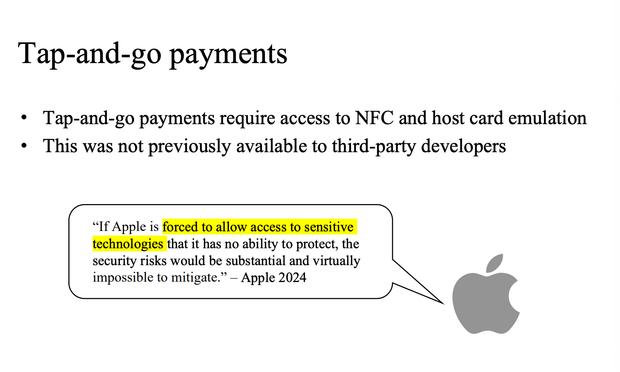
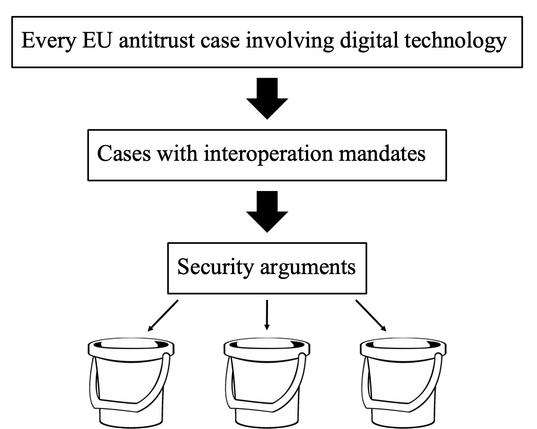
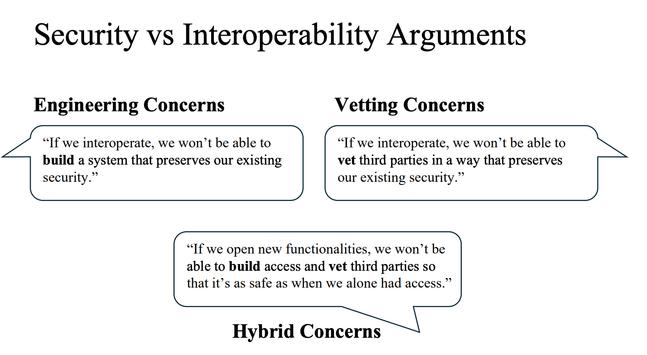
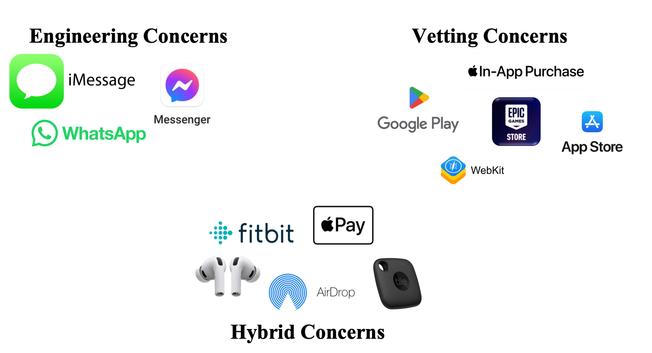
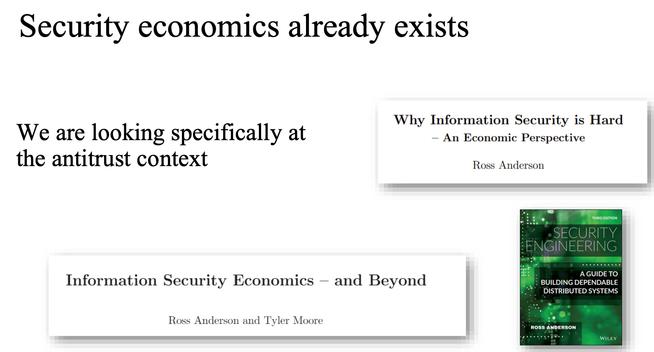
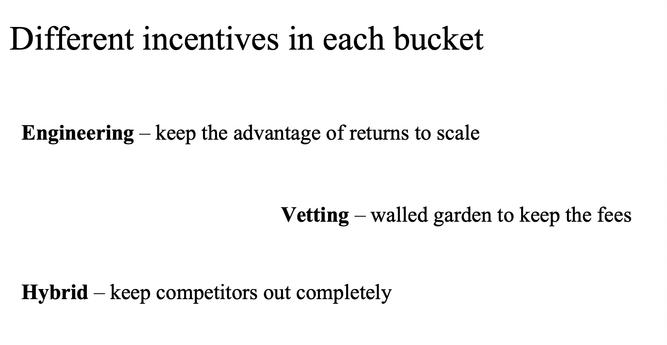
Q: Why are these concerns and use cases so linked together?
A: Guessing that making money from Apple Wallet and Apple Pay is better than charging fees to third party app developers
#realworldcrypto
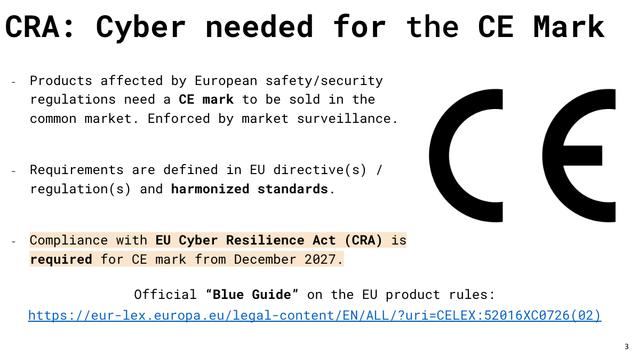
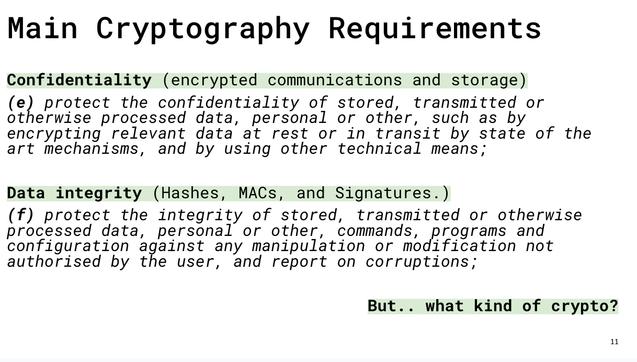
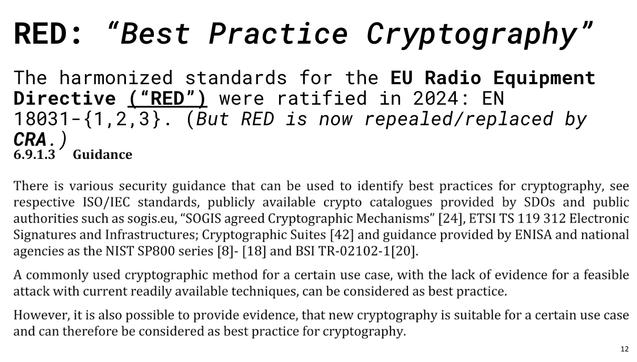
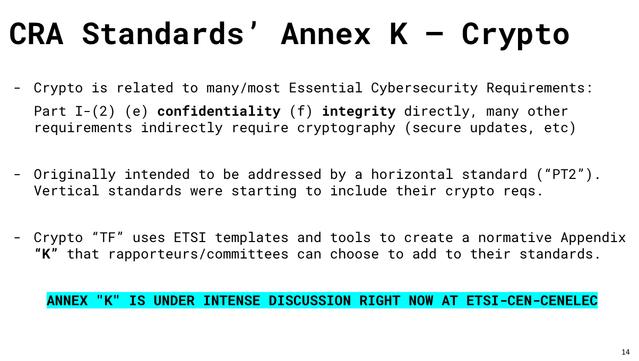
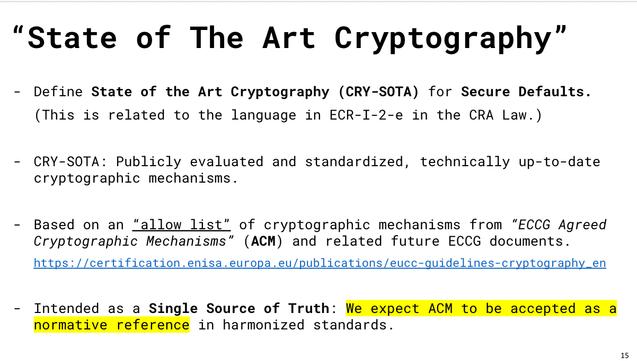
Next up, 'CRA and Cryptography: The Story Thus Far', presented by Markku-Juhani Saarinen
#realworldcrypto

Next up, 'When Proofs Aren’t Enough: Putting Cryptosystems in Context', presented by Gabriel Kaptchuk
#realworldcrypto
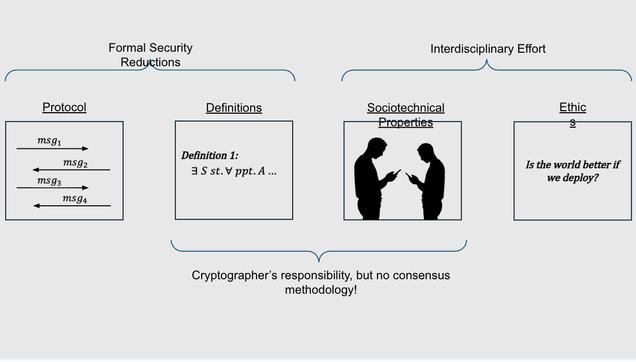
Once you start to compose lots of primitives, very strange properties can emerge (bugs)
#realworldcrypto
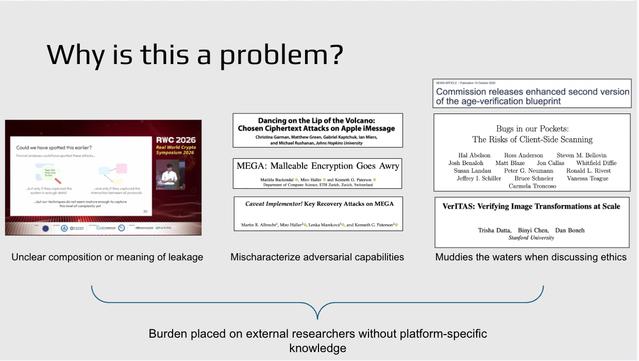
Burden placed on external researchers without platform-specific knowledge
#realworldcr
Should cryptographers be responsible for putting their proposals in context? (In the papers/specs/docs of the cryptographic proposals)
#realworldcrypto
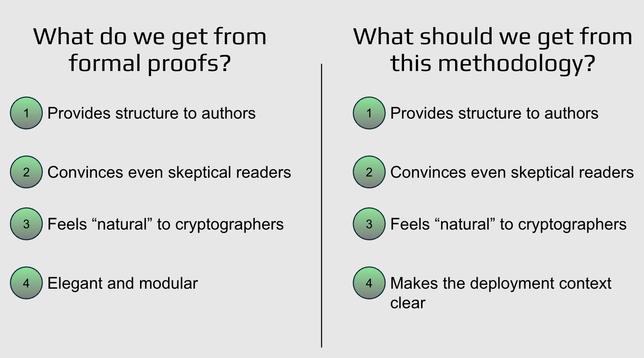
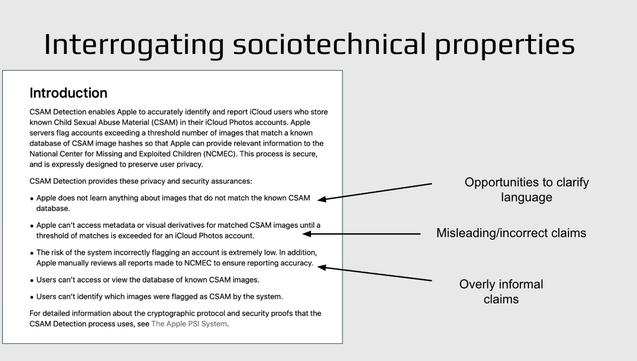
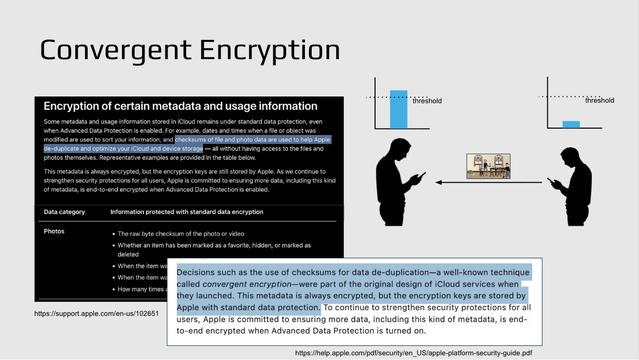
Π_social, not to be confused with PySocial
#realworldcrypto
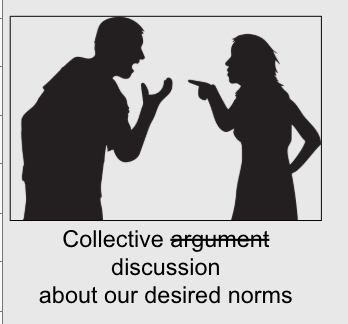
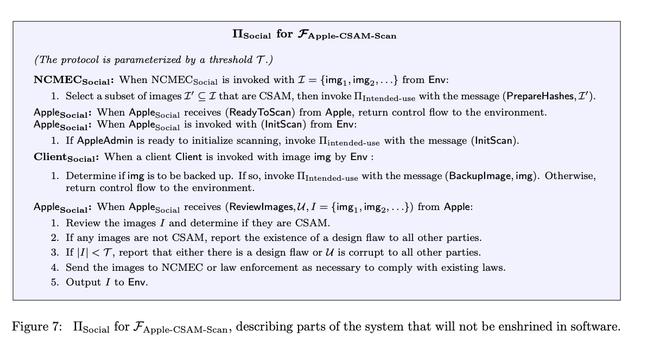
Q: How do we solve the problem of 'human APIs'?
A: Well, we're not even trying right now. Let's try to get closer to solving it rather than nothing at all
#realworldcrypto
Last talk of the day, 'Building Cryptographic Intellectual Infrastructure Where It Means Most: Lessons from Teaching Applied Cryptography in Post-Crisis Lebanon', presented by Nadim Kobeissi
#realworldcrypto
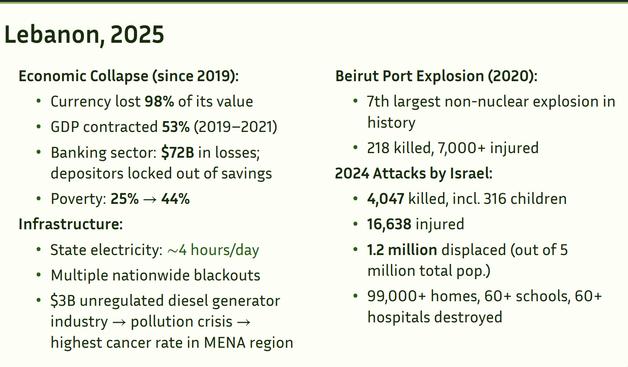
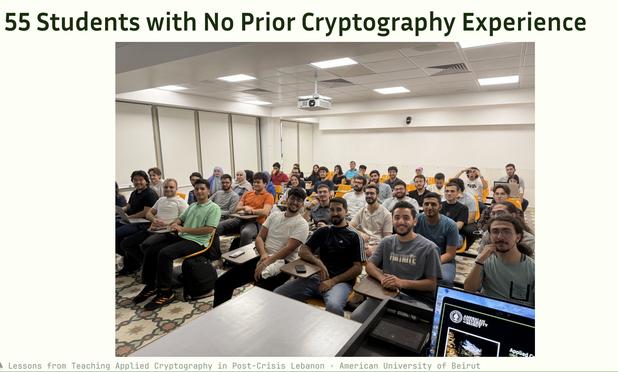
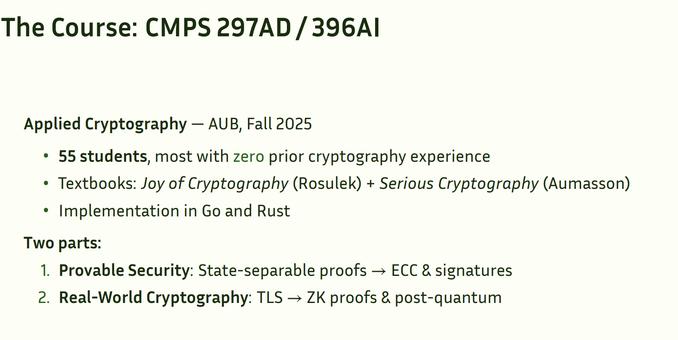
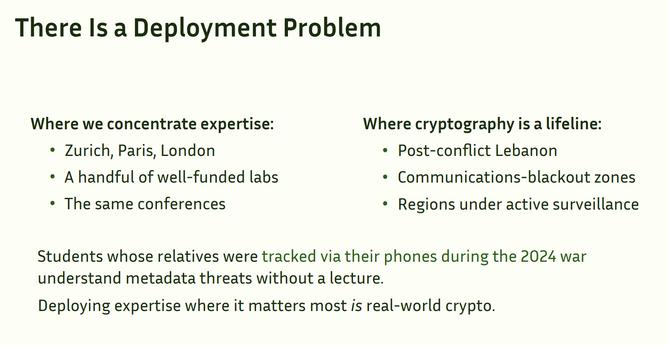
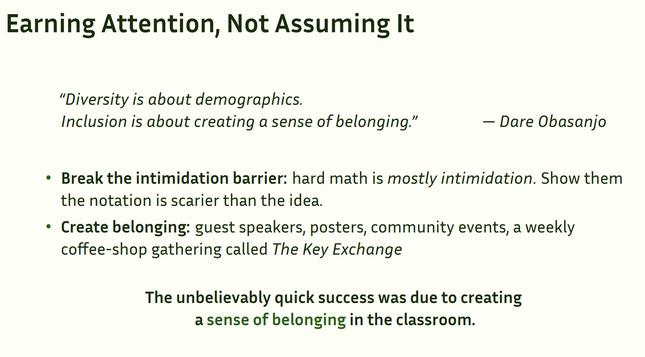
Students formally modeled protocols in their first week of
exposure
#realworldcrypto
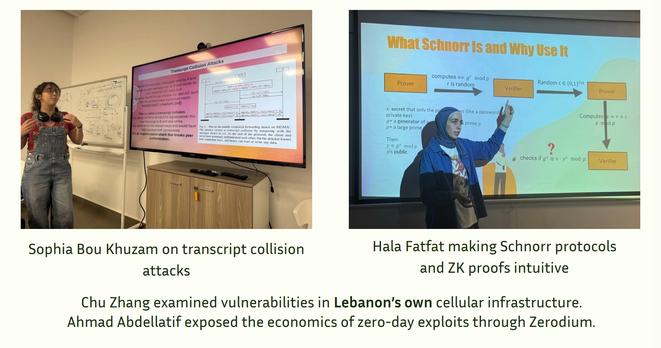
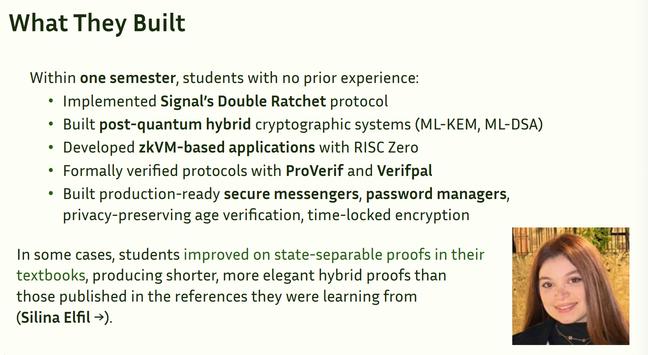

Excellence in pedagogy is not rewarded in research academia
#realworldcrypto
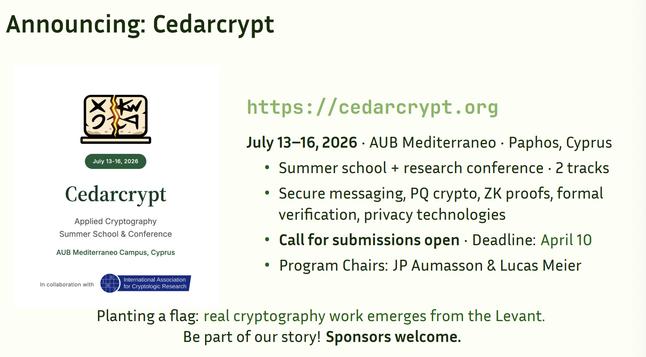
Materials openly available: appliedcryptography.page
#realworldcrypto
Applied Cryptography — America...
Applied Cryptography — America...
END OF DAY 2
#realworldcrypto
First up, 'Counter Galois Onion (CGO): Fast Non-Malleable Onion Encryption for Tor'
eprint.iacr.org/2025/583
#realworldcrypto
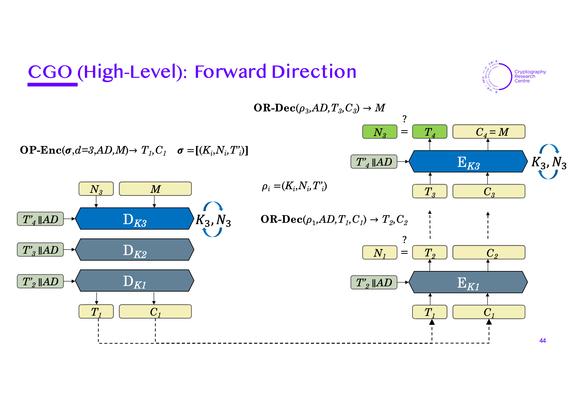
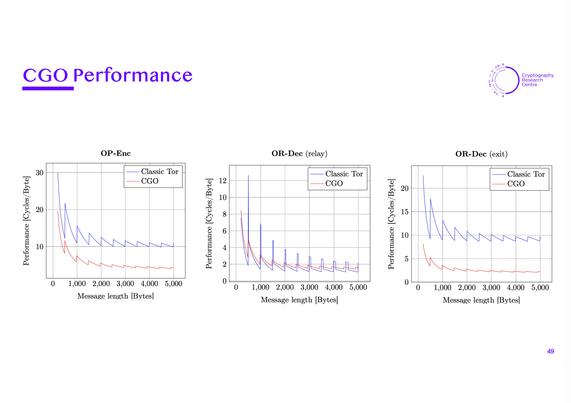
Being integrated in the Rust implementation of Tor, Arti
#realworldcrypto
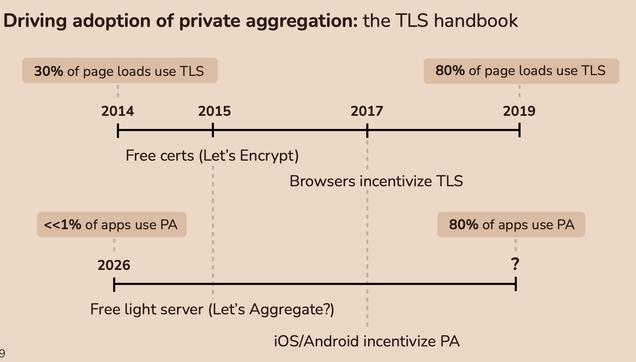
Next, 'Let’s Aggregate? Towards making private telemetry as ubiquitous as TLS', presented by Ryan Lehmkuhl
#realworldcrypto
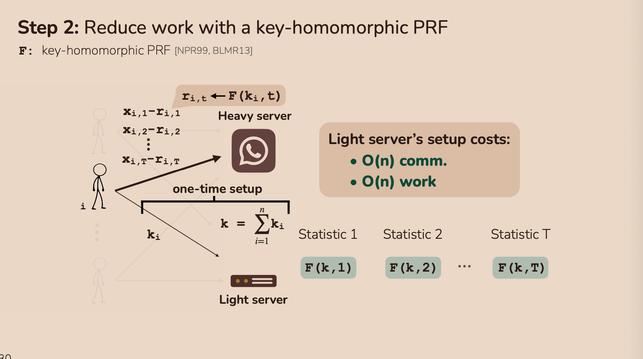
Trying to drive adoption of private aggregation: free light servers?
#realworldcrypto

Distributional Private Information Retrieval
A private-information-retrieval (PIR) scheme lets a client fetch a record from a remote database without revealing which record it fetched. Classic PIR schemes treat all database records the same but, in practice, some database records are much more popular (i.e., commonly fetched) than others. We introduce distributional PIR, a new type of PIR that can run faster than classic PIR---both asymptotically and concretely---when the popularity distribution is skewed. Distributional PIR provides exactly the same cryptographic privacy as classic PIR. The speedup comes from a relaxed form of correctness: distributional PIR guarantees that in-distribution queries succeed with good probability, while out-of-distribution queries succeed with lower probability. Because of its relaxed correctness, distributional PIR is best suited for applications where "best-effort" retrieval is acceptable. Moreover, for security, a client's decision to query the server must be independent of whether its past queries were successful. We construct a distributional-PIR scheme that makes black-box use of classic PIR protocols, and prove a lower bound on the server runtime of a natural class of distributional-PIR schemes. On two real-world popularity distributions, our construction reduces compute costs by $5$-$77\times$ compared to existing techniques. Finally, we build CrowdSurf, an end-to-end system for privately fetching tweets, and show that distributional-PIR reduces the end-to-end server cost by $8\times$ (depending on the frequency of tweets).
Next up, 'How Private Can Private Advertising Really Be?', presented by Alishah Chator
#realworldcrypto
'If a population has a sensitive feature correlated with it, membership in the population can be used as a proxy for targeting that feature'
#realworldcrypto
UC gives us language to see what cannot compose
#realworldcrypto