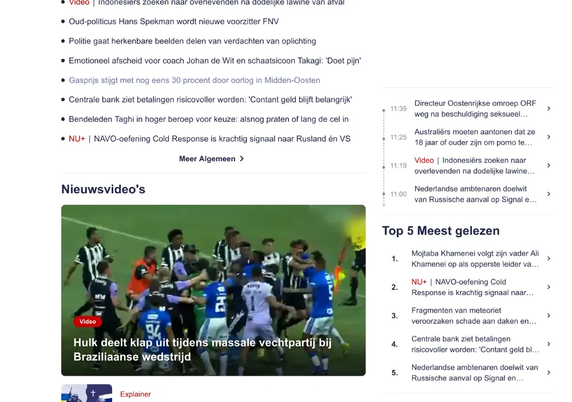
absolutely wild that the news that dutch gas prices rose by 30% in a single day did not even manage to crack the top 5 most read stories

like, how? how did we fuck up our information ecosystem this badly?
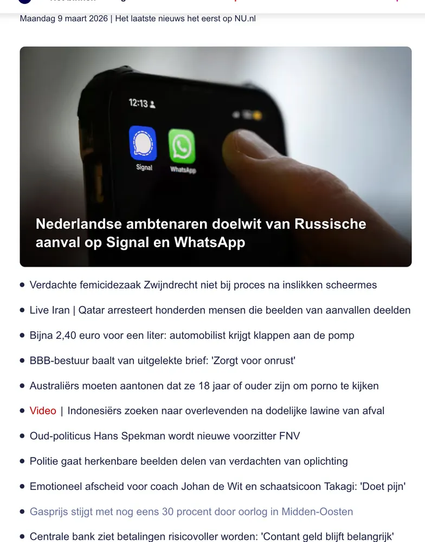
fucking losing my mind
like have we lost our connection with physical reality that much that we cannot even process anymore what a single-day 30% rise in gas prices means?
its so funny that the wider public is always looking for the 'were doomed' stories on any news thats slightly bad, and when things are indeed apocalyptically bad everyone's like 'eh whatever, itll blow over'
im pretty sure this isnt a funny coincidence but actually a structural factor on how epistemology functions and an indicator of how you can know that things are indeed really bad now
@laurenshof agreed: I think we fundamentally broke the link between “how impactful is this” and “how much noise does this make” over the last decades. So a formerly reasonable attention-based indicator (how much are people talking about this, responding to this?) has now lost much, if not most, of its diagnostic value….
@laurenshof I’m also inclined to think that online social media has played a big part in this and that it was a consequential step into a negative feedback loop when the news started reporting on “what people are talking about on Twitter right now” - not only is virality on social media not epistemologically grounded in the right way, the growth of social media undermined the advertising model of legacy media, leading to shrinking resources for direct reporting, and ever greater journalistic reliance on what is being said, which in turn….