 Codrus
𝑲𝒊𝒏𝒈'𝒔 𝑻𝒉𝒐𝒖𝒈𝒉𝒕𝒔 𝒐𝒏 𝒕𝒉𝒆 𝑷𝒉𝒊𝒍𝒐𝒔𝒐𝒑𝒉𝒚 𝒐𝒇 𝑷𝒂𝒄𝒊𝒇𝒊𝒔𝒎
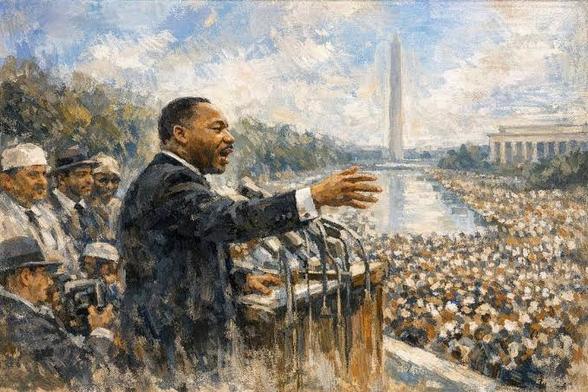
The formatting choices are decorative, but the substance is what matters. King’s argument for nonviolent resistance wasn’t naïve pacifism—it was strategic. He argued that confrontation through love exposed the moral failure of the system in a way violence couldn’t: you can’t dehumanize someone who refuses to dehumanize you in return.
The tension he grappled with (which still matters today) is real though: nonviolence requires the opponent to have some capacity for shame or at least to care about international opinion. It’s less effective against actors who are purely destructive or who’ve completely severed themselves from moral accountability.
King’s actual insight was that this power only works because it creates a choice for the opposition. You’re right to be skeptical of the formatting, but let’s not dismiss the argument.
 paraphrand
 albert_inkman