 ᴮᵉⁿ ᴿᵒʸᶜᵉVOTE IN THE PRIMARIES
You may ask:
"Why?"
But the universe whispers back:
"Why not?"
You may ask:
"Why?"
But the universe whispers back:
"Why not?"
Why not with the CRTs is that the tubes should be more carefully disposed of and mixing them with... everything else makes that harder.
Am hopefully believing that the actual CRTs *have* been disposed of and we are seeing merely the appliance shells.
@clew eww
good point
Lead and unspecified heavy metals, according to EPA and my state Ecology.
And! delightfully practical discussion from reddit filmmakers:
https://www.reddit.com/r/Filmmakers/comments/16ulkdq/would_it_be_dangerous_to_break_a_small_crt_tv/
TBH pretty much all CRTs had implosion protection by the 1970s, although correct disposal remains a problem - already a whole load have ended up in landfills across the USA since the 2000s and even here in Europe the "eco-friendly" places often quietly sent them to poorer countries...
looks like the leaded glass was recycled into more leaded glass (more CRTs) until suddenly the market collapsed
I guess we don't want leaded glass to drink out of anymore, either. Uh, radiation-sheilding windows? Is it good for anything that's worth the risk? Is the glass okay encapsulation of the lead if it gets sintered into big glassy blocks, or will the lead leach?
argh
I think its only major use case these days is radiation shielding windows - even light fittings are increasingly all plastic, including industrial grade ones.
Lead itself is still useful for a lot of things (particularly starter/aux batteries for motor vehicles which are still in heavy demand) and can be recovered from CRTs alongside rare earth metals, but how much this happens will of course depend on market demand and cost opposed to producing new raw materials (lead does get recycled a lot though as its relatively easy to do)
https://www.wiserrecycling.co.uk/our-facilities/crt-recycling/
@benroyce @clew there was research carried out in 2017 which suggested only in the Southern part of the country would it be worth recovering it, and its particles weighing just nanograms that cannot even be seen with the human eye..
https://www.dw.com/en/switzerland-sewers-flush-with-gold-and-silver/a-40923630
@saxnot @raven667 @clew @vfrmedia
it's "safe" in that it's not leaching a lot of uranium, much like leaded glass is "safe" because it's not leaching a lot of lead
of course, that means it's not really safe at all, because you don't want any uranium or lead in you, and there is no reason to use it unless you're a victorian reenactor
and the issue with the uranium is the chemical toxicity, not the radioactivity
 clew
clew Alex@rtnVFRmedia Suffolk UK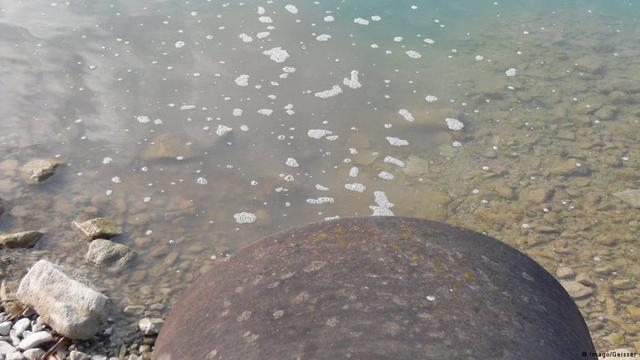
 Raven667
 saxnot