As an anarchist, I often hear questions about how, exactly, we would stay safe in a world full of rapists and murderers without the state’s protective monopoly over violence.

So I often have to remind people that not only does the state often decline to protect people facing harm…

https://www.theguardian.com/australia-news/2026/mar/05/queensland-police-kelly-wilkinson-turned-away-murder-inquest-ntwnfb#:~:text=Kelly%20Wilkinson%20was%20turned%20away,2021%2C%20an%20inquest%20has%20heard.

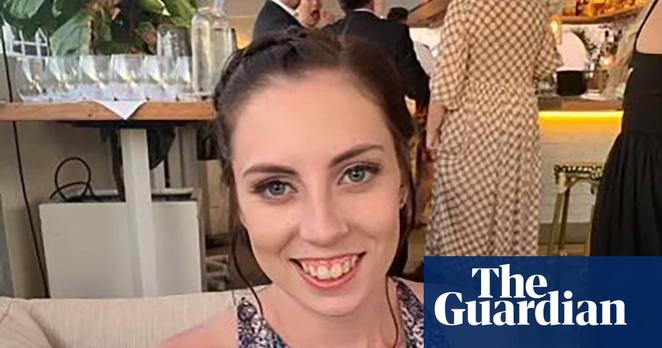
Police told Kelly Wilkinson to ‘cool off’ and give estranged husband ‘a break’ days before he burned her to death, inquest hears

Wilkinson was turned away by police while seeking help four days before she was murdered, Queensland coroner’s court told

The Guardian

…but also explicitly punishes people who do try to defend themselves from abusers:

https://www.propublica.org/article/oklahoma-survivors-act-domestic-violence

The Victims Who Fought Back

An Oklahoma law was supposed to help reduce the sentences of women who killed their abusers. Why are nearly all of them still in prison?

ProPublica
So, in a really important way, the problem is not “who would keep us safe without the state?” but rather “how much safer would we be if we were free to defend ourselves and each other?”

Many people recognize that there is an unacceptable amount of interpersonal harm in society, and conclude that the state is all that stands between them and an overwhelming amount of harm, a war of all against all.

But this misses the role of the state in creating, fostering, or facilitating those harms.

@HeavenlyPossum And that’s *before* we consider states becoming/acting rogue, see Minnesota; and I don’t mean *just* the feds, State government didn’t do much to protect citizens of Minnesota from harm either.

Attempts to make policing more just? equitable? (see Peel’s 9 principles) aren’t exactly a success either, UK police’s been plagued by racism and sexism and attempts to reform it weren’t successful. Don’t get me started about the whole “thin blue line” mindset common with police everywhere.

Our safety should be in our hands, organized around our needs, and with our oversight. Government role could be in coordination of community orgs and possibly in establishing a common infrastructure.

@wbftw

I prefer to abolish the government role entirely, but otherwise fully agree.

@HeavenlyPossum mm, hence “could be”; there are likely some corner-cases where coordination across multiple communities is required, which requires some centralization (or at least is manageable with centralization). But please note I used the word “coordination”, I don’t think centralized power should have a significant degree of control over how community resources are used.

@wbftw @HeavenlyPossum

Government *is* centralized power. Coordination across multiple communities can be something other than government.