 Cascadia-PNW
Fuck Fascists Fridays will consist of little exercises that will help us think about and question authority. In a previous thread, I explained what experts have discovered about the “Authoritarian personality”. (Fascist followers of an authority figure, who is typically a “social dominator”).
The 3 traits of this personality:
1. Submission to authority figures.
2. A very strong inclination towards conventionalism.
3. Aggression towards anyone who doesn’t submit to the authority figure they do or who doesn’t conform to their “conventional” ideas.
This first exercise is really going to focus on the conventionalism trait.
Conventionalism is a philosophical stance that holds many of our beliefs, meanings, and norms are rooted in social agreements or conventions rather than in objective, universal truths.
In the realm of dress codes, conventionalism helps us understand why certain clothing choices are considered “appropriate” or “inappropriate” in various settings.
For these exercises, we are going to exercise our critical thinking skills and ask/answer some questions. (Feel free to include any others that come to mind).
The first exercise is going to be on Dress Code and the trait that heavily influences it: Conventionalism.
It’s important to note that conventionalism exists outside of fascist circles. Society in general is heavily influenced by conventionalist bias. It is what often draws people into fascism.
Let’s start by looking at some photos.
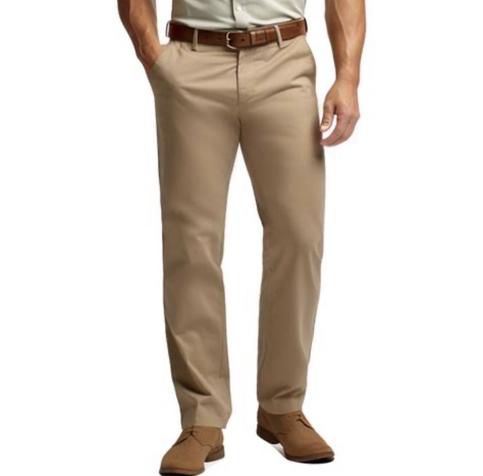
What comes to mind when you see these pants? Does your brain collect any information from this pair of pants? Does it signal any information about who is wearing the pants?
Next photo.
Same question. What does you think when you see this? What unspoken information comes to mind when you see it?
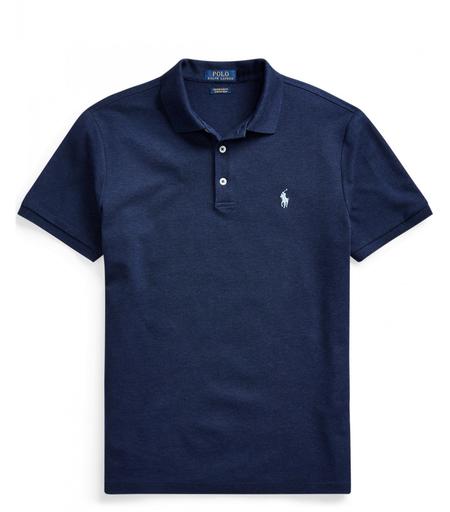
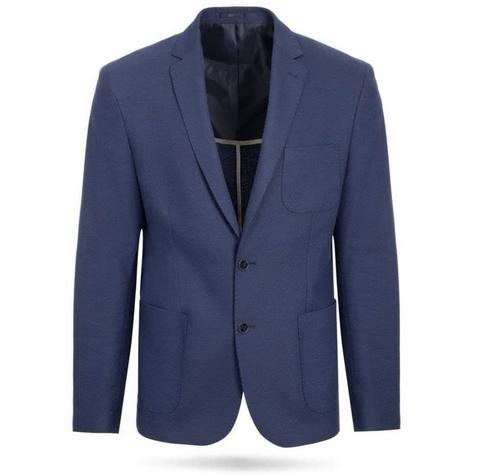
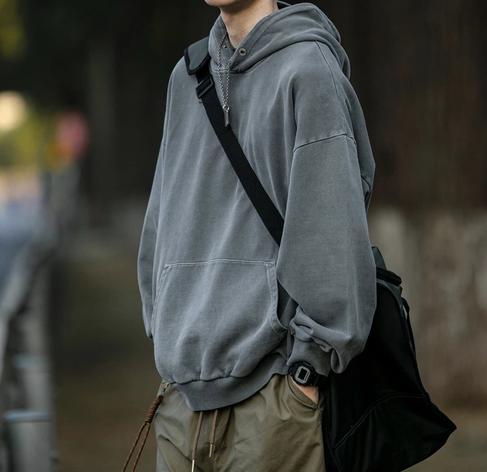
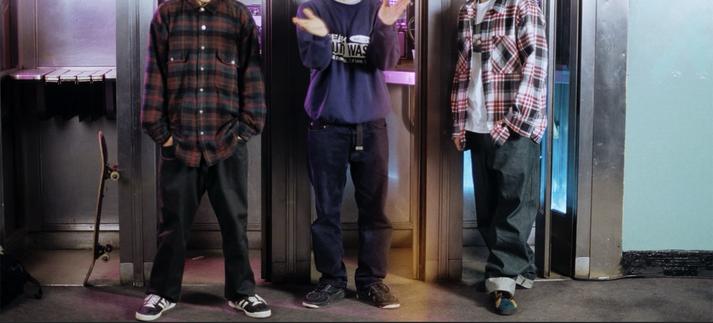
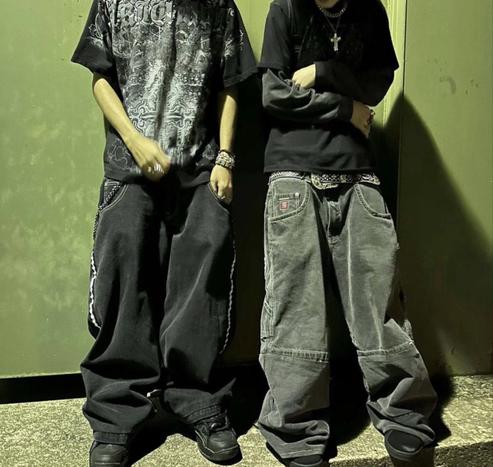
Have you ever had to follow a dress code?
Have you ever wondered about how dress code was even invented as a normal thing that we all have to follow?
Who decides what the dress code is?
Why do some care more about it than others?
What environments do we see dress code enforced most?
Signaling – Clothing quickly conveys information about role, status, or group membership. Conventionalism explains that these signals are effective because most people have learned to interpret them similarly.
Uniformity & Cohesion – Shared dress standards can foster a sense of belonging and reduce visual noise, which many organizations find valuable.
From a conventionalist standpoint, dress codes are social contracts—agreements that help groups coordinate appearance and convey “shared values”.
Anthropologists and sociologists describe clothing as a signal that conveys information without words.
What are some of those signals?
Status / role: “I’m a manager,” “I’m a student,” “I’m a performer.”
Group affiliation: “I belong to this company,” “I’m part of this subculture.”
Attention to norms: “I care about fitting in here.”
Have you noticed this within the right wing movement?
How so?
Do you notice it in other places of day to day life?
How so?
Do you see a “dress code” existing within society in general?
How so?
Have you ever followed these norms?
Have you ever questioned them?
Have you ever felt pressure to abide by them?
Do you follow them without really thinking about why you are following them?
How can you NOT abide by them?
What do you think when you see someone who isn’t abiding by these social norms of dress code?
What would happen if you didn’t follow them anymore?
What purpose do they really serve?
When you pick out your outfit for the day,what decisions go into what you wear?
This next week, think about this. Try to pay attention to what you wear, why you wear it and what motivations determine it. Blending in? Social acceptance? Comfort? Everything else is dirty? It’s warm?
Try to observe what others wear too. How similar is it to everyone else? How different is it?
Does what others wear make them stand out or blend in with the crowd?
What does their clothing signal to you?
At the end of the week, share what you discovered. Feel free to share here or feel free to tag me. Feel free to not share at all. You can write it down privately. No pressure.
Conventionalism depends on a set of assumptions that most members accept without questioning. When a convention is deeply embedded, challenging it can feel like “rocking the boat.” Conventionalism creates norms that feel “natural” because they have been reinforced over time.
Peer approval, fear of ostracism, or desire for cohesion can keep a convention alive, just as it keeps a group from entertaining alternative viewpoints.
Authoritarians gravitate toward conventionalism because it serves the core goals of an authoritarian system—centralized control, stability, and the suppression of dissent.
Notice the uniform of patriot front, a fascist hate group of white suprematists who is very attractive to people with authoritarian personalities.
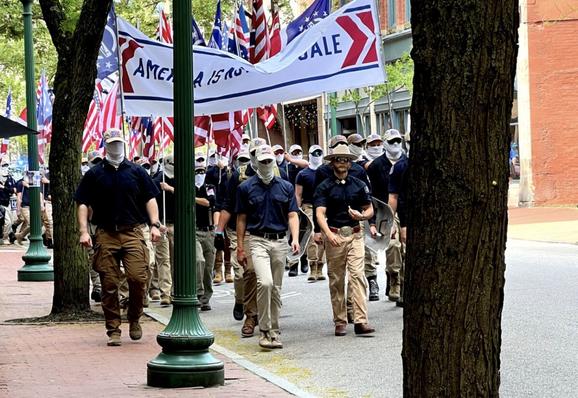
Perhaps you have seen this move beyond just clothing. The phenomenon of extreme plastic surgery within fascist circles isn’t a coincidence.

Conventionalism can often be discreet. Little rules that have always been rules, but we don’t really know WHY.
Claiming that a rule is “the way things have always been done” makes it harder for citizens to question it. History is presented as a source of authority rather than a subject of debate.
Conventional norms produce a highly predictable everyday routine. Predictability reduces spontaneous collective action (e.g., protests, strikes) because people are preoccupied with adhering to familiar scripts. How much energy, money, time does society spend trying to adhere to conventional norms?
If most citizens voluntarily follow the prescribed dress, speech, or rituals, the state can allocate fewer resources to monitoring every individual. Social policing substitutes for electronic surveillance. We become our own cops, monitoring our own behavior and compliance.
A shared set of conventions (language, dress, rituals) creates a visible marker of “us vs. them.” This visual cohesion reinforces the regime’s narrative of national or ideological unity.
What does this picture show you?

By embedding political loyalty into everyday habits (the way people are allowed to dress), dissenting ideas never reach a conscious, organized level. The opposition is starved of a “public sphere” where alternative norms could develop.
Conventionalism often includes a prescribed “official story” about the past, the nation, or the leader. By monopolizing that story, the regime blocks alternative histories that could inspire opposition.
Humans naturally align with the majority to avoid social rejection. Authoritarians amplify this bias by making the majority’s behavior visibly normative (e.g., mandatory salute, dress code).
Familiar routines require less mental effort. When people operate on autopilot, they are less likely to critically examine the political context surrounding those routines.
Breaking a well‑known convention often triggers shame or punishment. The anticipation of these negative emotions discourages experimentation and dissent.
You may be familiar with the fascists staunch hatred of “blue hair” (especially on women) and piercings. They use memes, derogatory language,etc

People tend to obey perceived legitimate authority figures. When a regime frames itself as the guardian of “our traditions,” obedience is rationalized as preserving cultural heritage.