 earthling
"Not everything that is faced can be changed. But nothing can be changed until it is faced."
James Baldwin, ‘As Much Truth
as One Can Bear’, 1962"
Source:
Planet on Fire.
A Manifesto for the Age of Environmental Breakdown
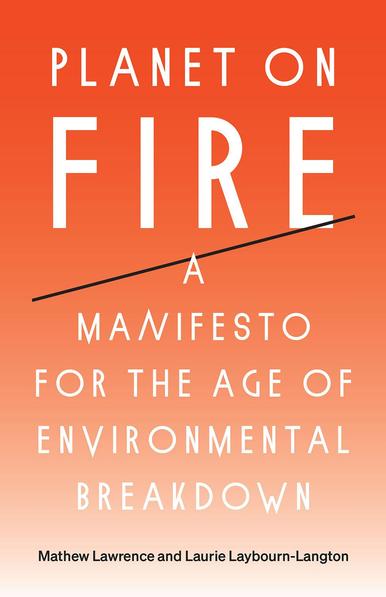
"Not everything that is faced can be changed. But nothing can be changed until it is faced."
James Baldwin, ‘As Much Truth
as One Can Bear’, 1962"
Source:
Planet on Fire.
A Manifesto for the Age of Environmental Breakdown
3/
This shift involves repurposing central banks, investing in public transport, and restorative rewilding to ensure a sustainable future for all. Ultimately, the work asserts that achieving climate justice requires dismantling the power structures that have historically commodified the natural world.
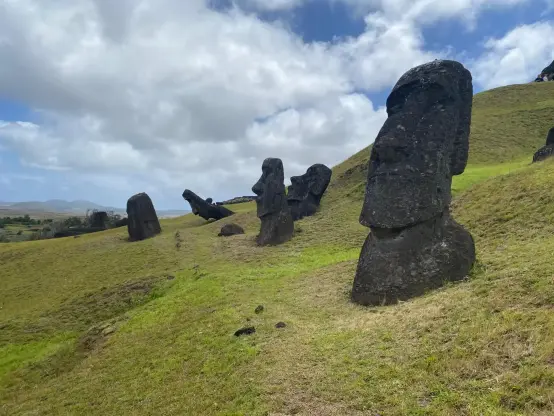
The "ecocide" of Easter Island is a myth (and the real story is darker)
The mainstream narrative of the Rapa Nui—popularized by figures like Jared Diamond—is a "fable of global ecocide" used to blame human nature for systemic failure. In this myth, a "selfish" population overexploited their trees to move stone statues, eventually descending into cannibalism and war. This is a lie designed to glorify the hunter by blaming the lion.
2/
The historical reality is not "ecocide," but colonial homicide. Early visitors, like the Dutch explorer Jacob Roggeveen on his flagship, recorded a lush, cultivated island with a healthy population. The Rapa Nui did not commit suicide; they were liquidated by globalized profit-seeking:
• The Invasive Vanguard: Ecology was first destabilized by invasive rats that arrived with European ships.
3/
• The Slave Trade: In the 1860s, brutal slave raids captured over a thousand inhabitants. Those repatriated brought smallpox, turning the island into a "vast charnel-house."
• Capitalist Extraction: European traders later burned huts and destroyed crops to force the starving survivors off the land.
4/
By 1888, the island was annexed and reserved for tens of thousands of sheep owned by a Scottish company, irrevocably transforming the landscape into an indistinct meadow for wool production.
The Rapa Nui had cultural practices that limited the exploitation of fisheries, debunking the "Tragedy of the Commons" myth. Their collapse wasn't a result of "innate selfishness," but of Hilaire Belloc’s chilling observation: "Whatever happens we have got / The Maxim gun, and they have not."