 Cory Doctorow
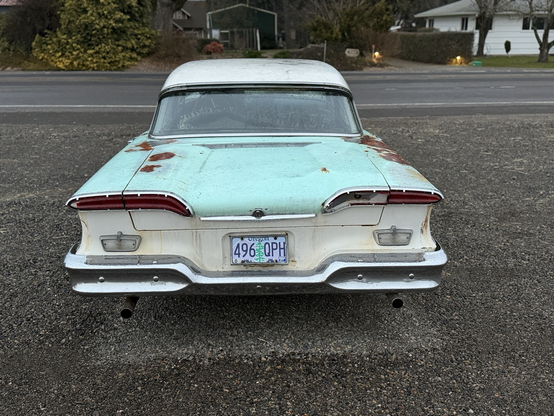
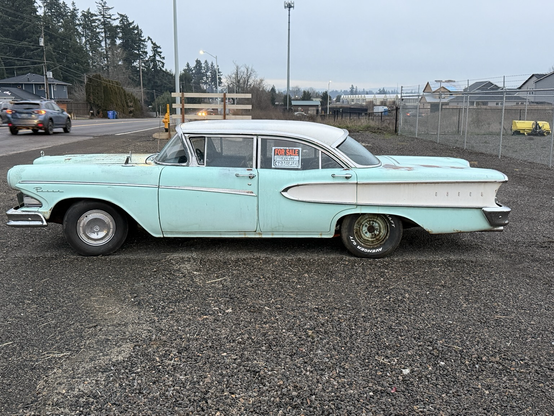
Fact of the day: the Ford Edsel ("a 1950s flop so notorious that it’s taught in business schools to this day") outsold the Cybertruck 2:1, "in a country with half the population."
https://www.ebsco.com/research-starters/history/ford-introduces-edsel
(h/t Luke Savage in the American Prospect, https://prospect.org/2026/01/30/teslas-wile-e-coyote-moment-is-here/)

Congress Proclaims Cessation of American Revolution Hostilities | History | Research Starters | EBSCO Research
<p>The proclamation declaring the cessation of hostilities in the American Revolution marks a significant moment in the transition from war to peace between the United States and Great Britain. Although the formal Treaty of Paris was not signed until September 1783, the conflict was effectively concluded following the British surrender at Yorktown in October 1781. On April 11, 1783, the Continental Congress issued this proclamation in response to ongoing peace negotiations, symbolizing a commitment to halt military actions by both land and sea. The proclamation emphasized the need for mutual respect and reciprocity in the cessation of arms, aligning the United States with other nations involved in the broader peace discussions. It mandated that all military personnel and citizens respect this agreement, fostering a sense of unity and order during a pivotal time in American history. This decision laid the groundwork for the eventual ratification of the Treaty of Paris, which would formally recognize the sovereignty and independence of the United States. The proclamation reflects the complexities of international diplomacy and the efforts to restore peace following years of conflict.</p>
 Don Hawkins - W7DAH
 Amoshias