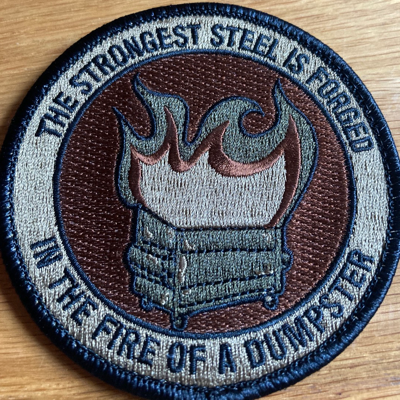
If you are going to a protest where shit may get real, here’s (part) of my med kit I carry to these:
1. Nitrile gloves
2. NAR CAT tourniquets
3. Roller gauze and/or wound packing
4. Chest seals
5. Blister treatments (molefoam, cloth tape)
6. Clean water in a bike squeeze bottle (for eye irrigation)
7. Trauma shears
8. Surgical masks
9. Safety glasses
10. Snacks
11. Tampons and pads
12. P-100 respirator with vapor cartridges
13. Shop towels

I also carry a helmet.
If someone is shot in front of you, first of all, seek cover. If it is safe to render aid, your first order of business is hemorrhage control. Bleeding extremity? Tourniquet now, re-asses later. Extremity wound you can’t tourniquet? Wound packing. Chest, abdomen,or neck wound? Chest seal/occlusive dressing.

The key to combat medicine is speed. Act decisively, then get the casualty out of the hot/warm zone and to somewhere you can re-assess them.

If you want to be able to help people with asthma/reactive airway conditions who can’t breathe after tear gas, Primatene Mist inhalers are available over-the-counter and are better than nothing.

If you want to stop extremity hemorrhage, read up on CAT tourniquet use, get some, and practice with them a bit (don’t tighten the windlass, or they won’t work as well next time).

If you want to get irritant agents off of skin/eyes, use plain tap water, lots of it. Do NOT add anything to it.

If you want to treat cold injuries (frostbite), you need to know if you can get the patient off scene and into long-term warming. Do NOT thaw someone’s frozen hands/fingers if they are going to immediately freeze them again. Repeated freezing causes far more injury.

Wrap frozen fingers/toes in a clean dressing, and protect them.

For warming, use lukewarm water or body heat if possible. Hot air can cause burns if you aren’t VERY careful. Rewarming is extremely painful. Be ready.

@mcnado I used to do it in steps: start with cold water (which feels hot anyway), then move on to warm. Dry well.