
Do you remember NFTs? I remember NFTs. They exploded onto the scene in 2020 and were *everywhere* in the public discourse. At their peak in 2021, there were something like $25 billion in NFT sales globally. There were NFT Super Bowl ads. Jimmy Fallon had Paris Hilton on his show to awkwardly shill for NFTs.

And then, by 2022, 2023 at the latest, the bubble had burst and NFT market had lost up to 99% of its value.

Blessedly, I never have to think about those fucking Bored Apes ever again.

I remember thinking, when NFTs first appeared, that they were so obviously a scam, but also a vague sense of surprise that such an obvious scam was proliferating while we were still living through the previous blockchain-related scam, cryptocurrency. And since the NFT bubble burst, we moved on absurdly quickly to the next tech scam-bubble, AI.

1/
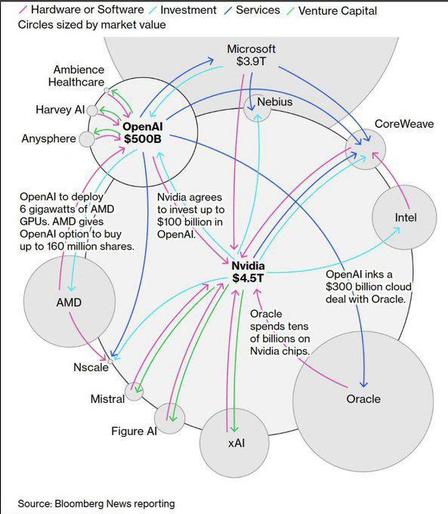
An unavoidable feature of late stage capitalism is The Scam. Scams are not new, obviously, but they have become omnipresent in our lives and the economy.

In 2024, Facebook—one of those players in the AI scam bubble—estimated that 10% of its revenue came from selling ads to scammers for scams and banned goods (https://www.reuters.com/investigations/meta-is-earning-fortune-deluge-fraudulent-ads-documents-show-2025-11-06/).

Across the world, but especially in remote parts of Southeast Asia, there are entire cities that have cropped up, devoted entirely to scamming, populated mostly by enslaved people who were themselves scammed by fraudulent job offers and trafficked into scamming (https://www.theguardian.com/technology/2025/dec/02/scam-state-multi-billion-dollar-industry-south-east-asia).

Obviously, technological changes are at least partly to blame for this. The means of scamming—global telecommunications, the digitalization of services, a constantly-connected global population, the proliferation of AI slop—are cheaper and easier for scammers to access, and thus more lucrative.

But does technology alone explain why scamming is such a prevalent feature of the global economy, or why we are whipsawing from one speculative global asset bubble to the next so rapidly?

2/

I suspect that technological change alone can’t explain the simultaneous emergence in cities literally devoted to scamming in places like the Thai-Burna border and proliferation of scam asset bubbles in places like the US.

Instead, I’ll point to an intrinsic feature of capitalism: the tendency of the rate of profit to decline.

Capitalism is competitive. Capitalists cannot rest on their laurels, since competitors are always ready to snap up market share. So capitalists are compelled to constantly increase and intensify activities that can generate profits.

But profit is a signal to competitors that there is market share to be gobbled up—by selling a better product, or a cheaper product, or otherwise interfering with their competitors.

So profit in any competitive capitalist market should tend towards zero. If a capitalist is collecting income in excess of costs, some competitor is going to try to collect some of it instead. And a capitalist who fails to compete risks being driven out of business and losing their capital ownership, becoming—like the rest of us—a worker subject to the rule of and exploitation by capitalists.

Capitalists can, of course, try to ameliorate these effects of competition by trying to expand into new markets, or create new markets for new goods and services, or by squeezing their workers and suppliers, or using the extra-economic powers against their competitors.

3/

@HeavenlyPossum Great analysis. A related angle is the effects of a "growth stock" multiplier on P/E ratios.

Stock pricing is highly variable, companies that are perceived to be growing have a higher share price because they are expected to have larger profits in the future. This is why Telsa's valuation is orders of magnitude higher than Toyota's, even though they have a fraction of the sales and revenues -- Musk has convinced the shareholder class that Tesla is a growth stock, so it's priced based on potential future profits, as opposed to real earnings today.

The problem is, once a business is established, the analysts can look at the numbers and see where they are going. It's hard to promise infinite growth when you have real business.

But when you have a new business model (crypto, NFT, AI) then you can promise the moon. Nobody knows what it really might be worth, so they'll buy any story. FOMO does the rest.

@talisyn

Thank you, and yeah—that makes a lot of sense. A scam stacked on to a scam to hide the first scam.