
Do you remember NFTs? I remember NFTs. They exploded onto the scene in 2020 and were *everywhere* in the public discourse. At their peak in 2021, there were something like $25 billion in NFT sales globally. There were NFT Super Bowl ads. Jimmy Fallon had Paris Hilton on his show to awkwardly shill for NFTs.

And then, by 2022, 2023 at the latest, the bubble had burst and NFT market had lost up to 99% of its value.

Blessedly, I never have to think about those fucking Bored Apes ever again.

I remember thinking, when NFTs first appeared, that they were so obviously a scam, but also a vague sense of surprise that such an obvious scam was proliferating while we were still living through the previous blockchain-related scam, cryptocurrency. And since the NFT bubble burst, we moved on absurdly quickly to the next tech scam-bubble, AI.

1/
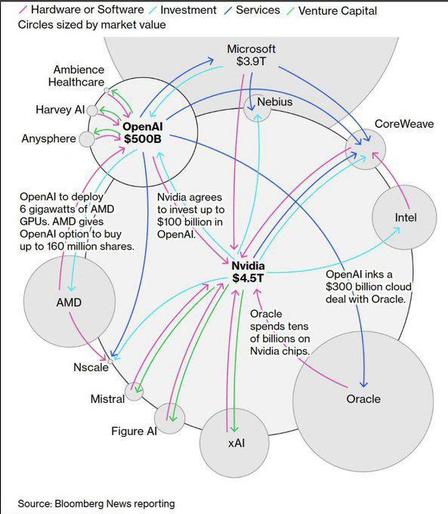
An unavoidable feature of late stage capitalism is The Scam. Scams are not new, obviously, but they have become omnipresent in our lives and the economy.

In 2024, Facebook—one of those players in the AI scam bubble—estimated that 10% of its revenue came from selling ads to scammers for scams and banned goods (https://www.reuters.com/investigations/meta-is-earning-fortune-deluge-fraudulent-ads-documents-show-2025-11-06/).

Across the world, but especially in remote parts of Southeast Asia, there are entire cities that have cropped up, devoted entirely to scamming, populated mostly by enslaved people who were themselves scammed by fraudulent job offers and trafficked into scamming (https://www.theguardian.com/technology/2025/dec/02/scam-state-multi-billion-dollar-industry-south-east-asia).

Obviously, technological changes are at least partly to blame for this. The means of scamming—global telecommunications, the digitalization of services, a constantly-connected global population, the proliferation of AI slop—are cheaper and easier for scammers to access, and thus more lucrative.

But does technology alone explain why scamming is such a prevalent feature of the global economy, or why we are whipsawing from one speculative global asset bubble to the next so rapidly?

2/

@HeavenlyPossum An aspect of these scams, that I'm being reminded of as I look for another job, is that for most jobs, even relatively low-paid ones, you're expected to recite a version of your life story in which you have a lifetime personal commitment to the job as if it were an idealistic vocation, and that is expected to continue on the job.

It's painfully difficult to maintain the partition between what you really believe and what you claim to believe for the purposes of employment.

@HeavenlyPossum On my last job, I was briefly encouraged when the manager and the team lead shared a joke about how absurd it would be to rely on LLM-generated code.

Before long, I was reading daily bulletins from the CEO about progress in integrating LLMs into all aspects of operations. These used a Facebook knockoff in which employees would make fawning comments about it. Once in a while someone would comment on the ecological costs and the conflict with official "sustainability" policies.

@HeavenlyPossum Point being, it's increasingly difficult for workers to maintain their own integrity, as they are coerced into being yes-men for whatever scheme their employers propose, and this increasingly extends lower through the layers of the bureaucracy.