 Stamets
Scams upon Scams
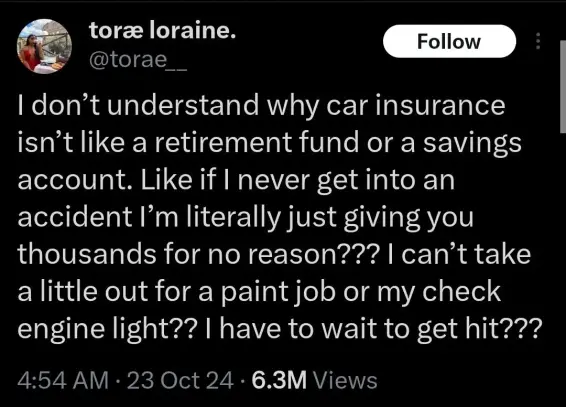
It’s the difference between minimums and maximums. In most American states you have to have $50,000 worth of liability insurance to legally drive, which covers the majority of financial consequences for accidents.
That being said, now that cheap cars are $35,000 brand new, it might be a smart thing if you’re an American driver to have $100,000 or $125,000 worth of liability insurance to keep yourself from going bankrupt.
The extra $100 a year for that coverage would totally be worth it if you ever have to use it.
insurance, home and auto
And the biggest one: health
The biggest thing with auto insurance isn’t covering your car, it’s covering the cost of whatever you hit sueing you.
Your car may only be worth $3,000, but if you hit a pedestrian and they require a dozen surgeries and are wheelchair bound for life, you bet you’re ass you’re getting sued for a few million in medical costs.
In a reasonable country, those medical costs would be free, but since they’re not you need some sort of protection against once accident bankrupting you in civil suits.
In addition to what everyone else said, property damage is a big part of it as well.
Let’s say you run into a building and knock out a load bearing wall. Or plough through a business or government office. It’s not impossible to rack up a couple million in damages if you crash bad enough.
One car insurance company where I live operates kinda like this. USAA.
Every subscriber is a member. Every year, after they pay operating costs, they take the money left over from premiums and put it into accounts distributed across all the members. When you reach a certain age you can withdraw the money accumulated in your account.
The difference is that (in theory at least), insurance will pay your full costs, regardless of how much you’ve already paid in. You can sign an auto insurance on one day, pay in 100$, then get into a 20k$ crash the next, and get the entire costs covered.
A retirement savings fund is capped by how much money you’ve put in it. You can never take out more money than you’ve put in (+interest/portfolio growth).
 y0kai [he/him]
 bizarroland
 GiveOver
 Rhaedas
 Boomer Humor Doomergod
 caseyweederman
 Fredselfish
 WhiteOakBayou
 🇰 🌀 🇱 🇦 🇳 🇦 🇰 🇮
  pelespirit
 ianhclark510