 Richard Hendricks
Finally aligned a free night with clear skies and no moon. @catherineryanhyde Going to try for NGC6781 and maybe the Helix nebula if I can stay up that late.
#astrophography #astronomy
#astrophography #astronomy
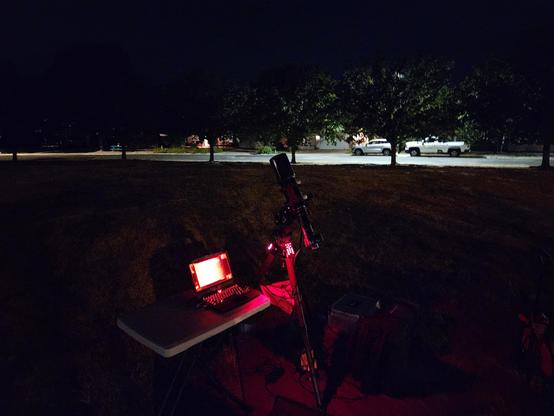
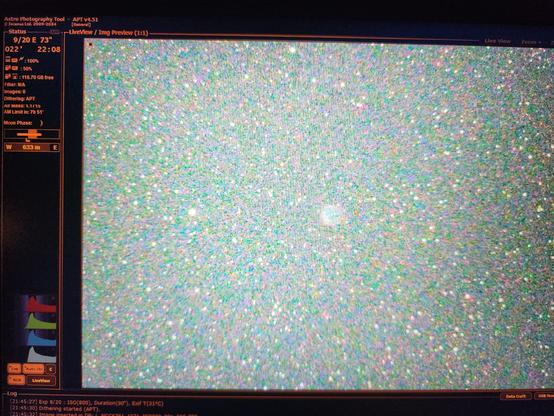
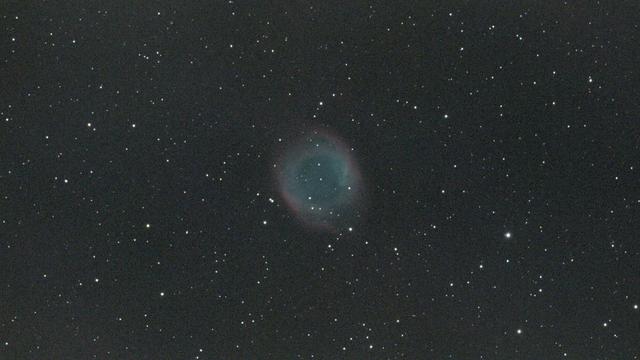
Well, may as well try for some Helix frames before it gets worse. Same ISO, but much worse light pollution looking low to the south.
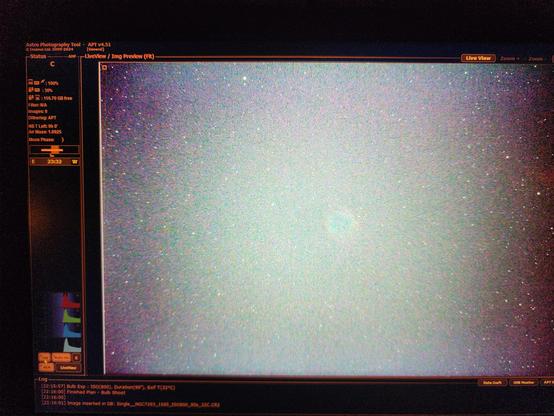
Best part of urban astronomy is doing my walks around my circle which my neighbors kindly keep lit.
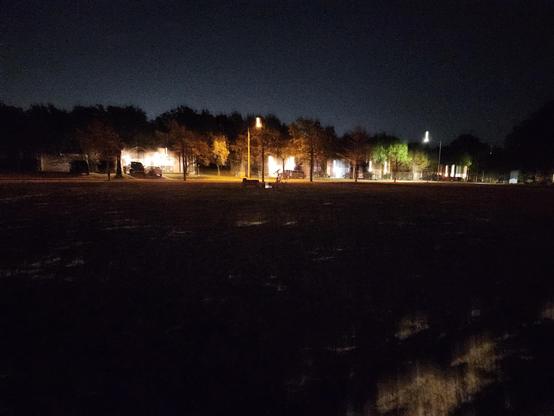
Ah, a really slow moving polar sattelite I guess. 90s to only move that much means a pretty high orbit.
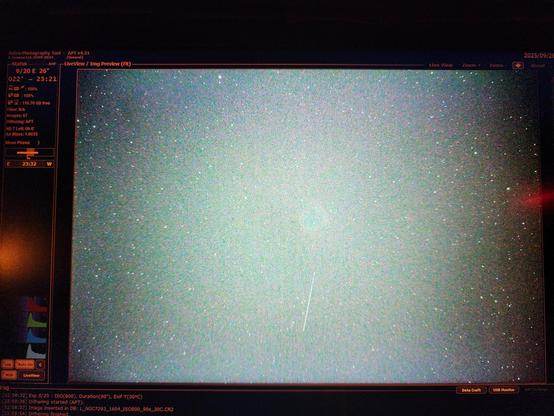
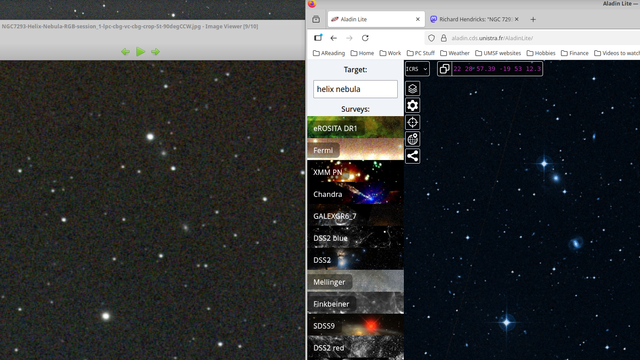
Getting a few frames of IC342 on a lark. Its called the "Hidden Galaxy" because the Milky Ways dust obscures it so much. I *think* I can just barely see a small blob right at the cursor location. Will have to see what happens with stacking.
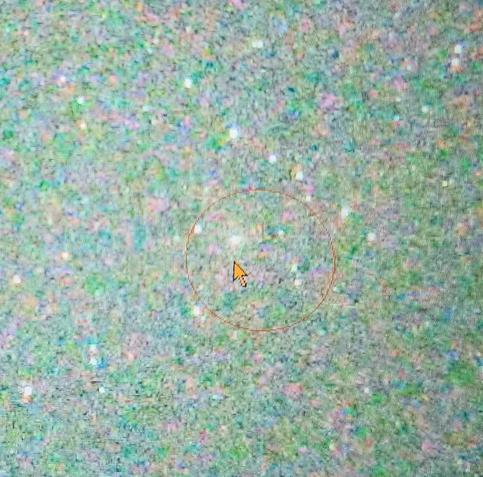
Well I wasn't expecting much, but this is definitely a result. The nucleus is clearly there and I can delude myself into believing there are hints of the spiral arms visible. A successful experiment, anyways!
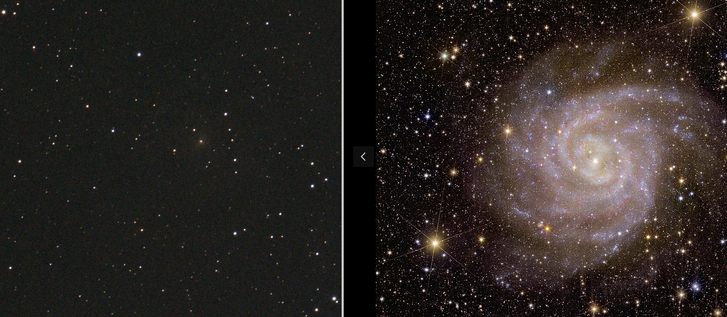
On the left is 13x90s with an AT90CFT at 432mm from suburban #austin, on the right from ESA's Euclid Space Telescope, totally cheating by using infrared to see through the Milky Way dust.
#astronomy #astrophotography
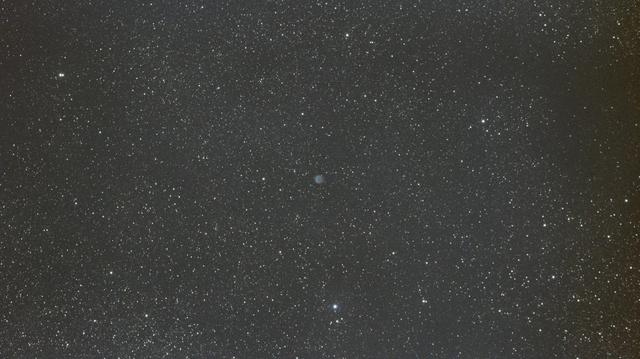
NGC 6781, the Snowglobe Nebula
20 x 90s
AT90CFT with .8 reducer at 432mm
Canon SL1, unmodded
HAE43EC, unguided
A little dull with no background galaxies visible! But the darker patches of sky are Milky Way dust clouds.
Just a little snowglobe, sitting all alone out there.
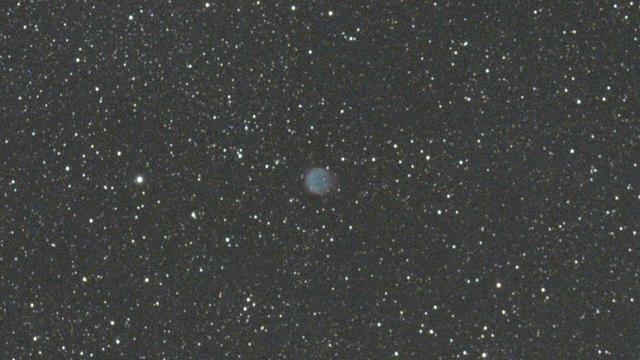
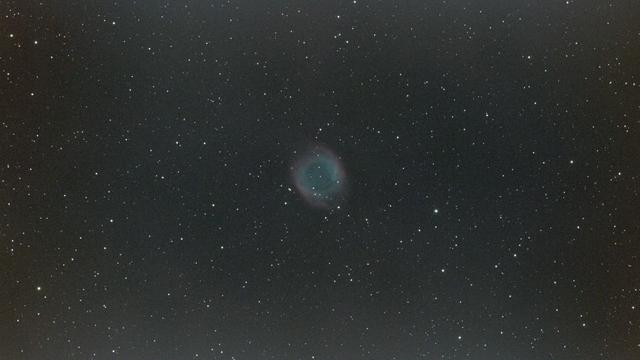
NGC 7293 the Helix Nebula
49 x 90s
AT90CFT with .8 reducer at 432mm
Canon SL1, unmodified
HAE43EC, unguided.
This nebula is about 6 times wider and 3 times closer than the Snowglobe, so it actually has a nice size at 432mm. They're fairly equivalent in age, so I would guess the Helix had the larger progenitor star, but Wikipedia didn't mention it. Would definitely be worth doing again from a dark sky site.