Spring Security: Role-Based Access โ€“ Thread ๐Ÿงต

๐Ÿ) ๐–๐ก๐š๐ญ ๐ข๐ฌ ๐‘๐จ๐ฅ๐ž-๐๐š๐ฌ๐ž๐ ๐€๐œ๐œ๐ž๐ฌ๐ฌ ๐‚๐จ๐ง๐ญ๐ซ๐จ๐ฅ (๐‘๐๐€๐‚)?
RBAC is a security approach where permissions are assigned to roles, and users are assigned roles. This makes managing permissions simpler and more scalable, especially as your application grows.
๐Ÿ) ๐‡๐จ๐ฐ ๐’๐ฉ๐ซ๐ข๐ง๐  ๐’๐ž๐œ๐ฎ๐ซ๐ข๐ญ๐ฒ ๐ˆ๐ฆ๐ฉ๐ฅ๐ž๐ฆ๐ž๐ง๐ญ๐ฌ ๐‘๐๐€๐‚
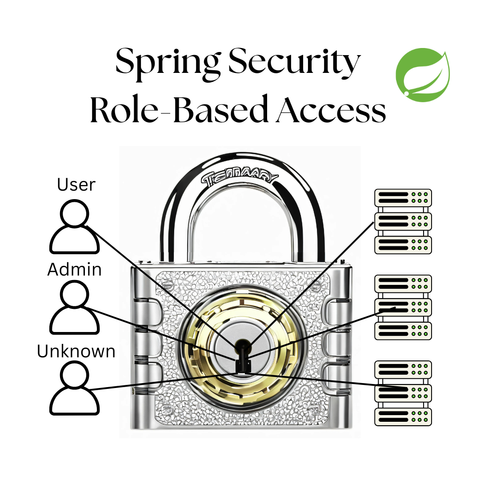
Spring Security allows you to define roles (like USER, ADMIN, EDITOR) and secure endpoints or methods so only users with the correct role can access them. Roles are typically stored in your user database and mapped to authorities in the authentication context.
๐Ÿ‘) ๐ƒ๐ž๐Ÿ๐ข๐ง๐ข๐ง๐  ๐š๐ง๐ ๐€๐ฌ๐ฌ๐ข๐ ๐ง๐ข๐ง๐  ๐‘๐จ๐ฅ๐ž๐ฌ
You can assign roles to users in your database (e.g., MySQL) and link them using Spring Data JPA. For example, a user with the ADMIN role can access admin endpoints, while a USER can only access standard user features.
๐Ÿ’) ๐’๐ž๐œ๐ฎ๐ซ๐ข๐ง๐  ๐„๐ง๐๐ฉ๐จ๐ข๐ง๐ญ๐ฌ ๐ฐ๐ข๐ญ๐ก ๐€๐ง๐ง๐จ๐ญ๐š๐ญ๐ข๐จ๐ง๐ฌ
Spring Security provides powerful annotations:
๐Ÿ”น@ ๐™ฟ๐š›๐šŽ๐™ฐ๐šž๐š๐š‘๐š˜๐š›๐š’๐šฃ๐šŽ("๐š‘๐šŠ๐šœ๐š๐š˜๐š•๐šŽ('๐™ฐ๐™ณ๐™ผ๐™ธ๐™ฝ')") restricts access to methods for users with the ADMIN role.
๐Ÿ”น@ ๐š‚๐šŽ๐šŒ๐šž๐š›๐šŽ๐š("๐š๐™พ๐™ป๐™ด_๐š„๐š‚๐™ด๐š") and @ ๐š๐š˜๐š•๐šŽ๐šœ๐™ฐ๐š•๐š•๐š˜๐š ๐šŽ๐š("๐š๐™พ๐™ป๐™ด_๐™ด๐™ณ๐™ธ๐šƒ๐™พ๐š") offer similar functionality.
You can also use ant matchers in your security configuration to restrict URL patterns to specific roles.
๐Ÿ“) ๐‘๐จ๐ฅ๐ž ๐‡๐ข๐ž๐ซ๐š๐ซ๐œ๐ก๐ข๐ž๐ฌ ๐Ÿ๐จ๐ซ ๐…๐ฅ๐ž๐ฑ๐ข๐›๐ฅ๐ž ๐€๐œ๐œ๐ž๐ฌ๐ฌ
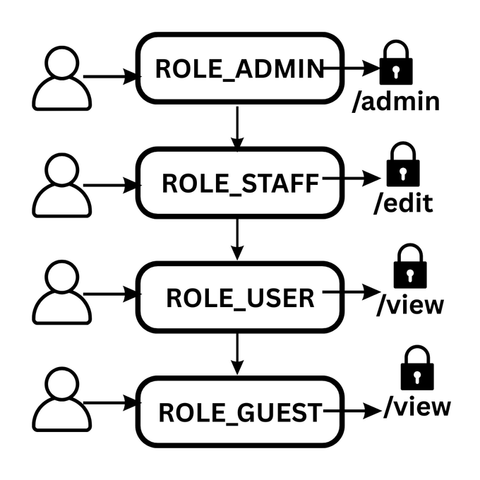
Spring Security supports role hierarchies, allowing you to define that,
๐Ÿ‘‰For example, ๐™ฐ๐™ณ๐™ผ๐™ธ๐™ฝ > ๐š‚๐šƒ๐™ฐ๐™ต๐™ต > ๐š„๐š‚๐™ด๐š.
This means an admin automatically inherits all the permissions of staff and user roles, reducing redundancy and simplifying management.
๐Ÿ”) ๐‘๐จ๐ฅ๐ž-๐๐š๐ฌ๐ž๐ ๐€๐œ๐œ๐ž๐ฌ๐ฌ ๐ฐ๐ข๐ญ๐ก ๐‰๐–๐“ ๐š๐ง๐ ๐Ž๐€๐ฎ๐ญ๐ก๐Ÿ
When using OAuth2 or JWT, roles can be encoded in the token and mapped to Spring Security authorities. This enables stateless, scalable security for APIs and microservices.

๐Ÿ•) ๐‘๐ž๐š๐ฅ-๐–๐จ๐ซ๐ฅ๐ ๐„๐ฑ๐š๐ฆ๐ฉ๐ฅ๐ž
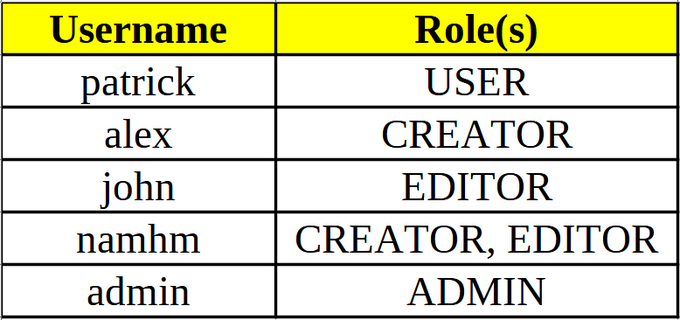
Suppose you have these users and roles: (table)

USER can view products, CREATOR can add, EDITOR can edit, and ADMIN can do everything.

๐Ÿ‘‰Spring Securityโ€™s role-based access control lets you define who can do what in your app, using flexible roles, annotations, and even role hierarchies for complex scenarios.

Secure your endpoints and keep your application safe and maintainable!