 RmDebArc_5
The world if christian lived by christian values
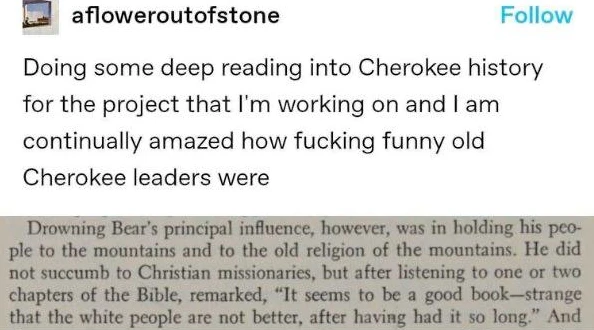
Well that’s not true. We’re not living in 600s Europe where only the clergy can read (and not all of them could read that well). However, a major issue is how it’s read. Common practice in churches is to read the text and interpret it through a pre-existing set of beliefs informed by the reader’s current cultural and political and background, as well as millennia of religious tradition which many modern Christians are barely aware of (people take the statements in the Nicene Creed for granted, but it’s not a statement of faith that the Bible could support without centuries of heated discussions, politicking and reinterpretations filling in the gaps) In biblical scholarship, this is referred to as eisegesis, where you read an interpretation into the text, rather than allowing the text to speak for itself.
In contrast, exegesis is the method used by modern biblical scholars, as opposed to theologians. This is basically reading the Bible as you would any other historical piece of literature - when you frame the text in its historical, religious, cultural and literary context, it takes on a whole new dimension almost entirely missing from church readings of the Bible. Suddenly the creation stories aren’t just an account of how the world was made and how evil came about, but a polemic against the creation stories of Mesopotamia, which the biblical authors adopted and adapted in order to distinguish them from neighbouring mythologies. You stop needing to reconcile the irreconcilable Gods of the OT - the wrathful, vengeful, murderous God and the benevolent, merciful God - and instead can appreciate how the biblical authors have taken what originally seem to be two traditionally separate gods from Caananite-Israelite religion (Ba’al and Yahweh) and, over time, merged the traditions to fit the theology of a monotheistic cult which developed later within Israelite religion. By reading beyond the biblical canon, you can see evidence of varieties of Jewish and Christian tradition that didn’t survive into later mainstream religion (for example, the Gospel of Mary places more importance on women than the other gospels and didn’t make it into the biblical canon) I could go on, but realistically who will read this far?
TL;DR - yes, people do read the bible - in fact, it’s probably the most read book in the world - it’s just that people read into it rather than out of it, which stops them from appreciating what the many authors and books of the Bible are actually saying

How did a warrior-storm god become Yahweh, the god of world Abrahamic monotheism? By tracing the earliest history of Yahweh ("The One Exists") to his origins...
 Gandalf the Gorsed