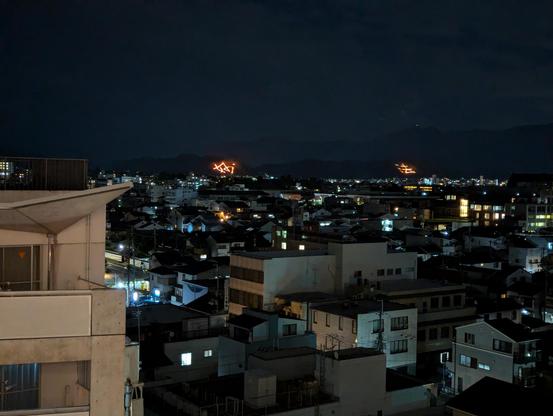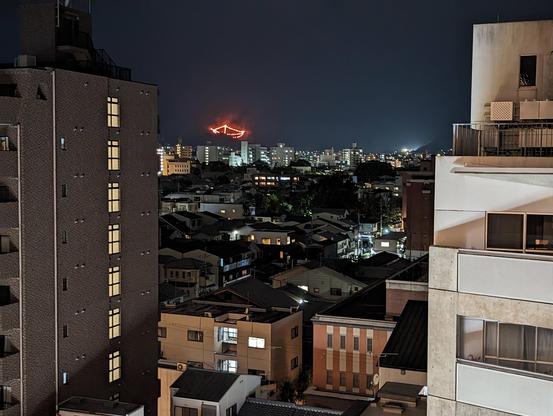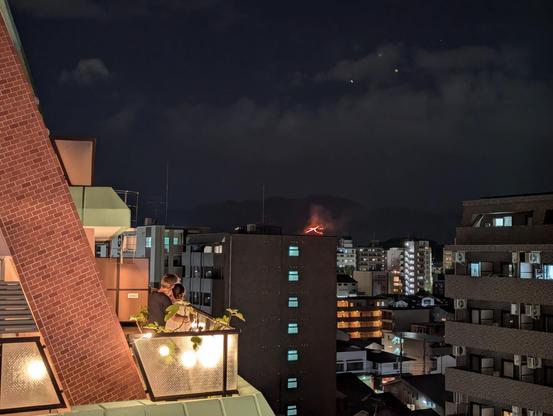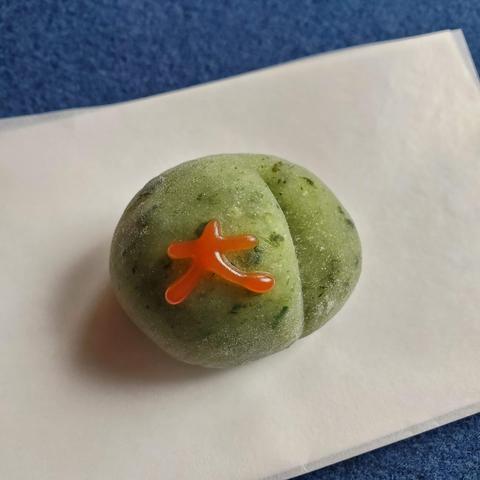
🔎ORIGINS OF THE OKURIBI🔥

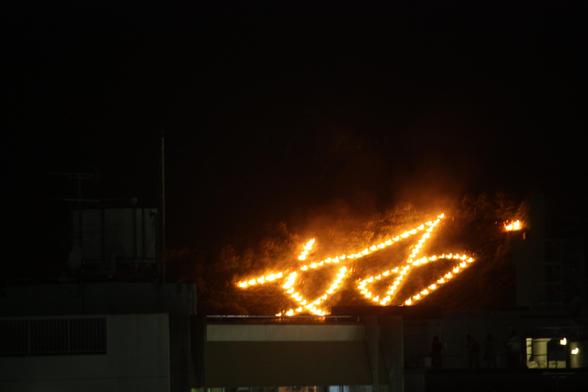
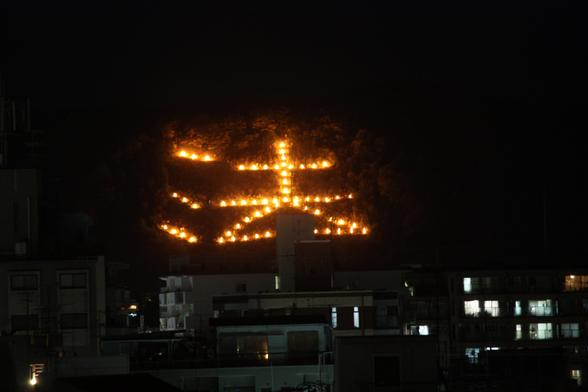
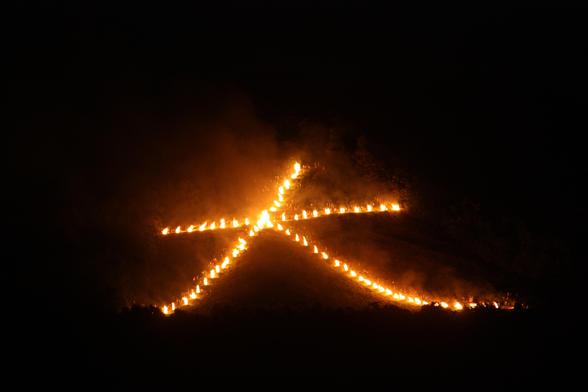
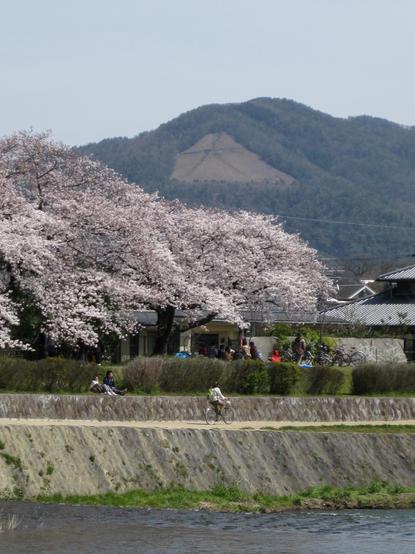
Counted as 1 of Kyōto's 4 great celebrations, the Gozan-no-Okuribi (五山送り火) was originally called Shūkyō Gyōji or Oshorai-san (宗教行事 'the ritual' - おしょらい/おしょらいさん).

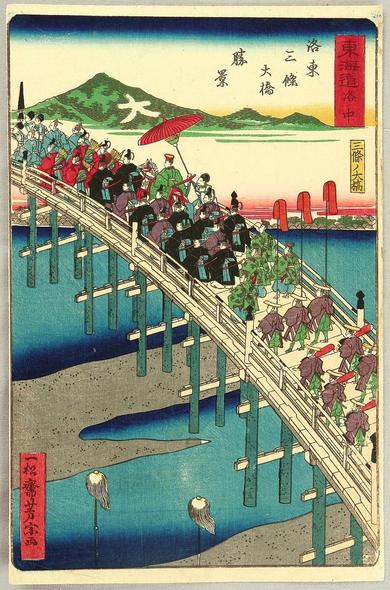
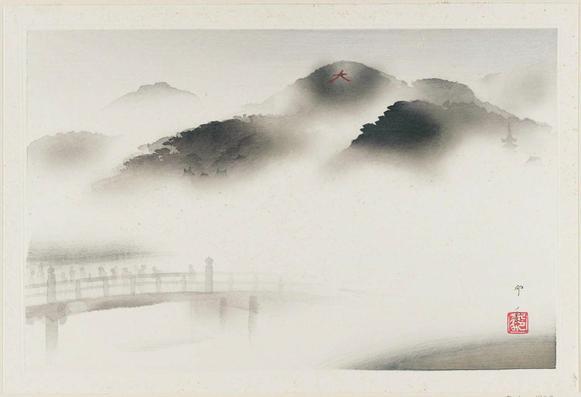
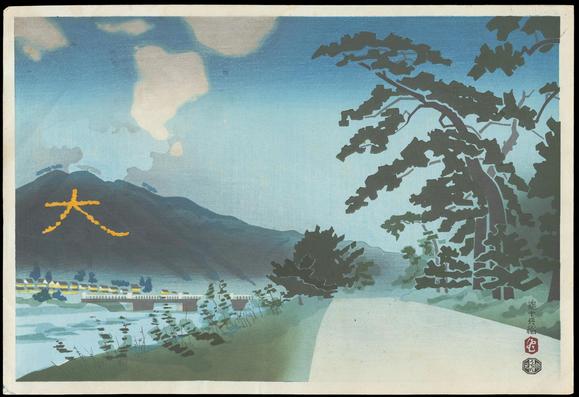
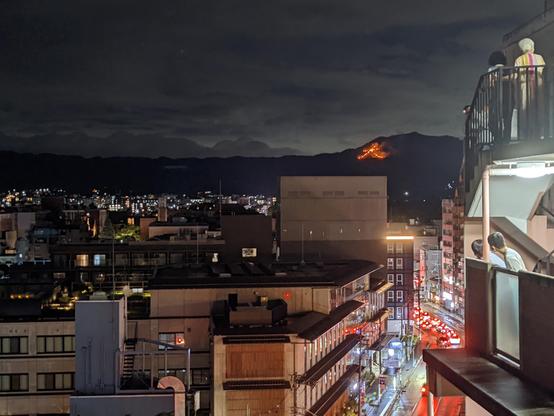
Many people incorrectly call the event Daimonji (大文字), the first and most famous of the Okuribi.
#五山送り火 #Obon

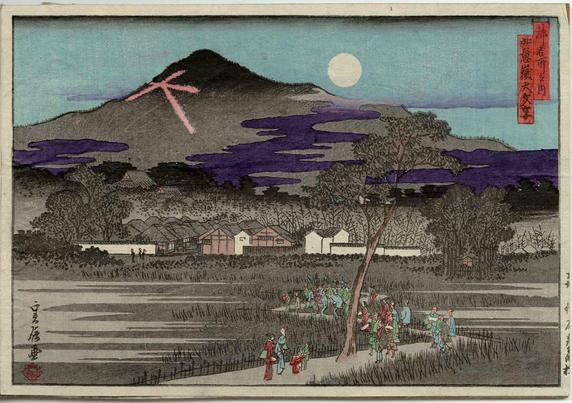
On 16th August, at Obon's end, it is said that Kyōto's spirits gather at Daimonji (大文字) before traveling to read the sutra at 'Myō-Hō' (妙法 - inspired by the Lotus Sutra).

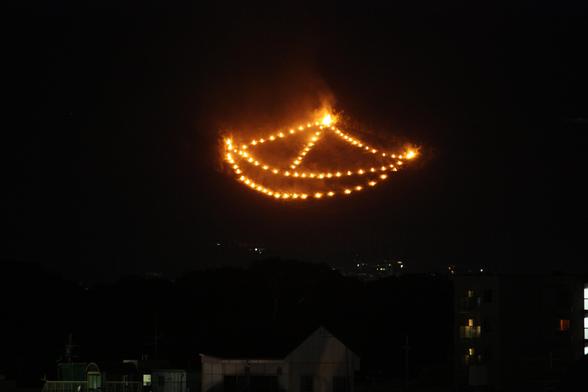
They then ride the Funagata (舟形 boat), guided by Hidari Daimonji (左大文字), back to the Netherworld via the Toriigata (鳥居形 gate).

#Obon #お盆

Unlike the Gion and Aoi festivals, the Okuribi's origins are hazy.

In 1603 the nobleman Funabashi Hidekata (舟橋秀賢), in his diary 'Keichō Nikken-roku' (慶長日件録), describes going to the Kamo River to see the mountain bonfires. It is the earliest record we have.

#GozannoOkuribi #送り火 #sendofffires

Iwata Hideaki (岩田英彬), in his work "Kyō no Daimonji Monogatari" (京の大文字ものがたり), says "the event was launched by people with no particular status or fame, so there’s no record of its origin".
This may explain why we know so little about the giant Okuribi (送り火)😒

#Obon #sendofffires #送り火

Origin theories🤔

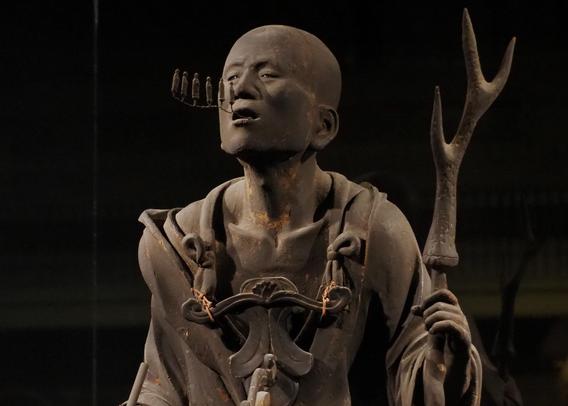
1) SAINT KŪYA (空也上人)🗣️

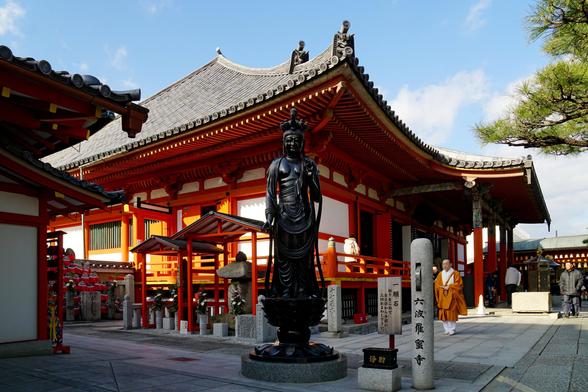
The 'Nihonki-ryaku' (日本紀略) records that in 963 Kūya, wishing to celebrate completion of Saikō-ji (西光寺-the current Rokuharamitsu-ji 六波羅蜜寺), held a huge memorial service, with 600 monks chanting the Wisdom Sutra by the banks of the Kamo-gawa.
#空也上人 #六波羅蜜寺

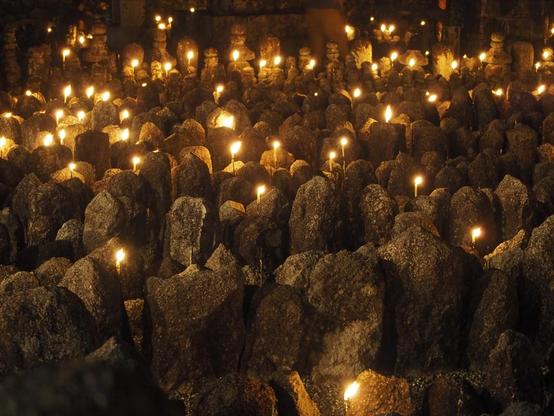
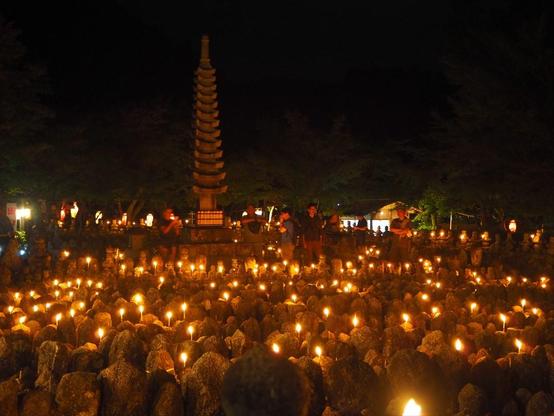
As the service coincided with 'Mantō Kuyō' (万灯供養), when votive lights were offered to the dead at Obon, that evening Kūya led the 600 monks in a lantern procession that wound up into the old crematory ground.

It is said the memory of this event later inspired the Okuribi.
#lanterns #festival

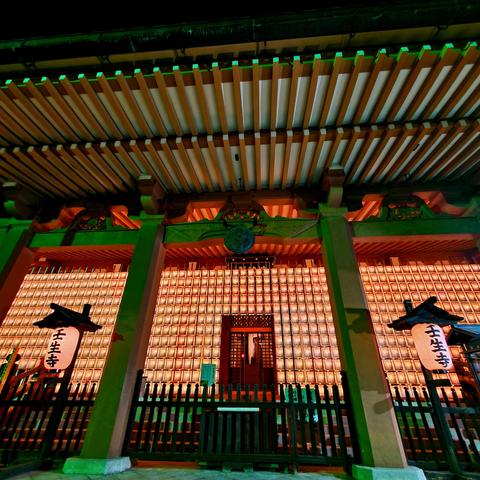
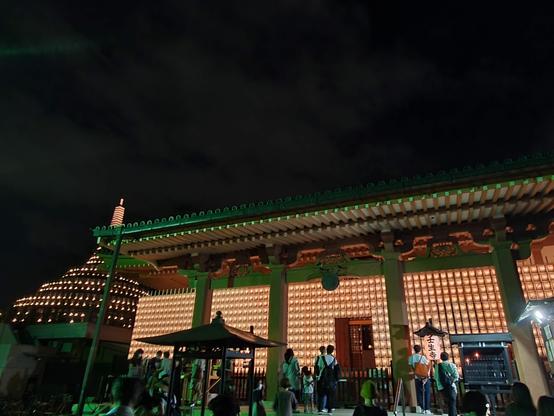
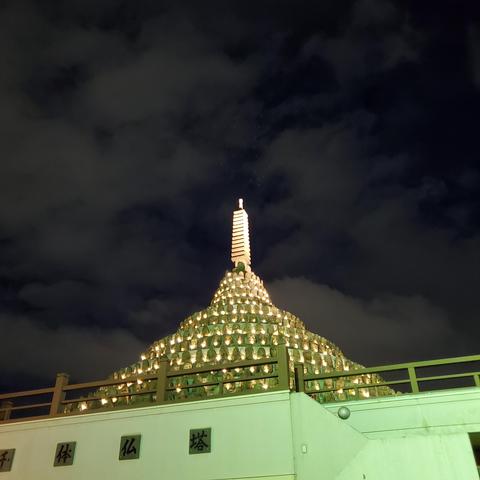
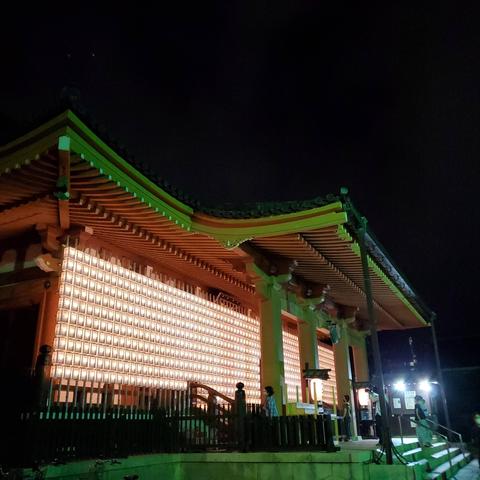
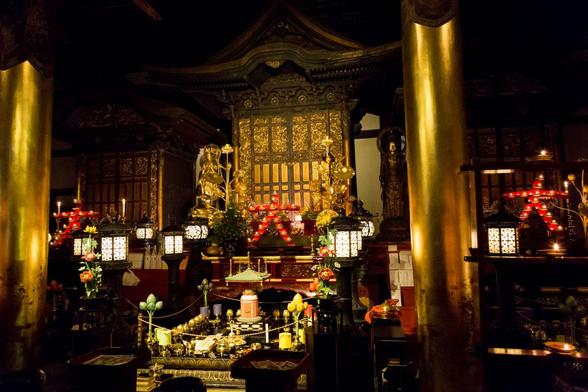
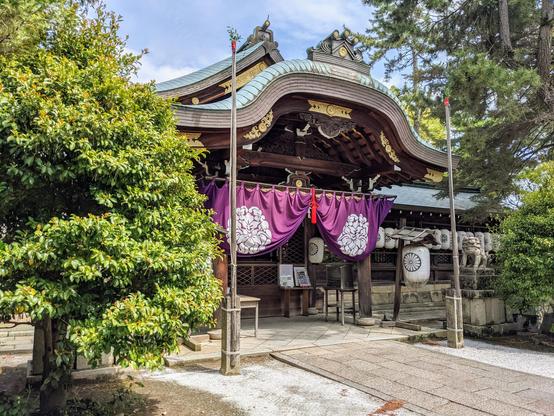
Rokuharamitsu-ji remembers Kūya’s original memorial on the evening before the Gozan-no-Okuribi.

108 lanterns recreate the shapes '大'.
Interestingly here '大' most definitely represents the 5 elements, important in esoteric Buddhism (密教).

#Rokuharamitsuji #六波羅蜜寺 #Japan

2) GRAVE LANTERNS🪦

In the Nanboku-chō period (南北朝時代 1336-92) it is recorded that lanterns were lit at the graves on Ryōzan (霊山) and Toribeno (鳥辺野) to welcome back the spirits of the dead.

The details are sparse and it is unclear if this was a regular event.
#五山送り火 #Toribeno #鳥辺野

3) MANTŌRŌ🏮

By the 14thC 'mantōrō' ceremonies (万燈籠), involving the lighting of thousands of lanterns, were prevalent in many temples at Obon.

Lanterns visible on mountainside temples in Kyōto at this time may have inspired the idea of creating a more permanent event.
#Japan

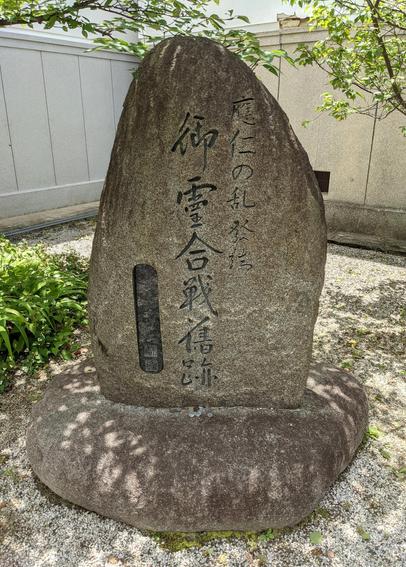
4) THE GHOSTS OF THE ŌNIN WAR💀

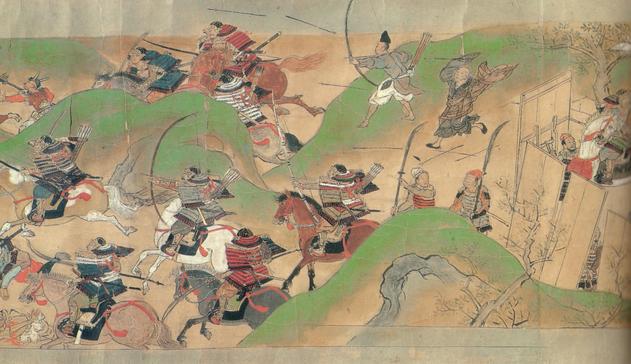
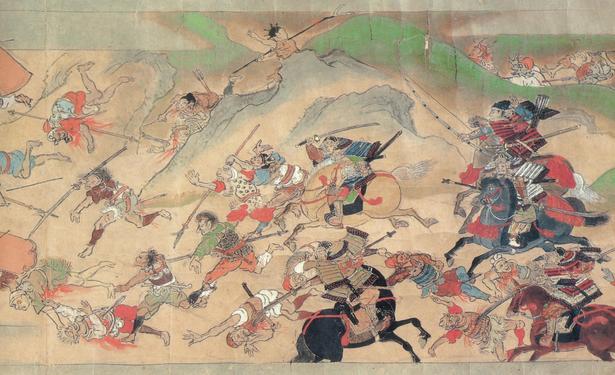
After the devastation of the Ōnin War (応仁の乱 1467-77), Kyōto was struck by natural disasters and epidemics.

The population began to fear that the spirits of the thousands killed in the 10 year conflict lingered in the city, causing increasing calamity.

#ghost #応仁の乱

The Ōnin War (応仁 文明の乱) had caused such devastation and breakdown of authority that proper funeral rites were all but abandoned, leading to a 'haunted' city.

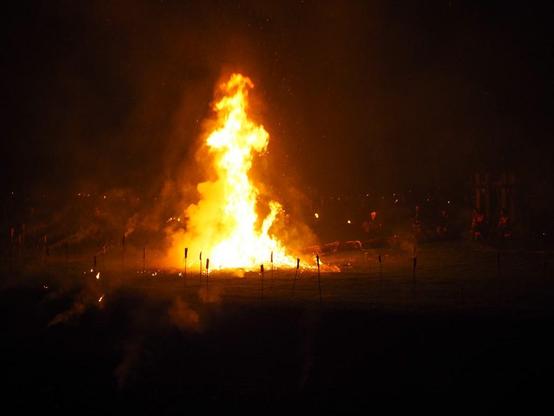
It's said huge bonfires were lit on the mountainsides to guide these spirits home, and may have inspired the Okuribi.
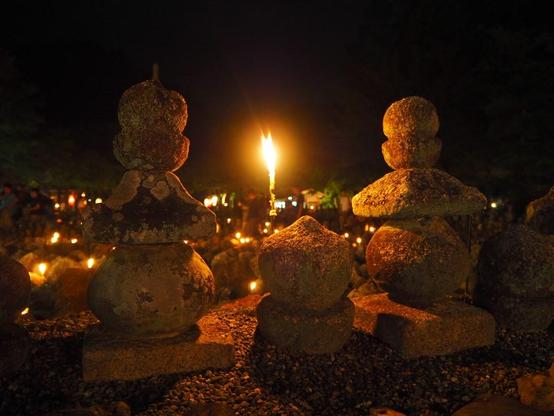
5) LANTERN DANCE👯

By around 1558 (the Eiroku era - 永禄期) the tradition of lighting increasingly oversized lanterns at the end of Obon was popular across the city.
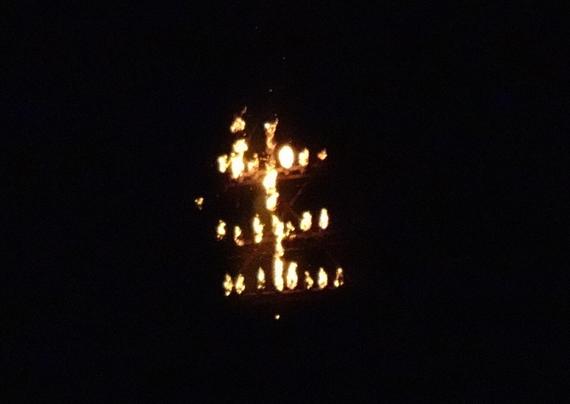
Neighbourhood associations organised a type of dance called 'Furyu Odori' (風流踊り) to coincide with this.
#Kyoto #風流踊り #dance

6) 'MATSUAGE', LOCAL FIRE FESTIVALS🔥

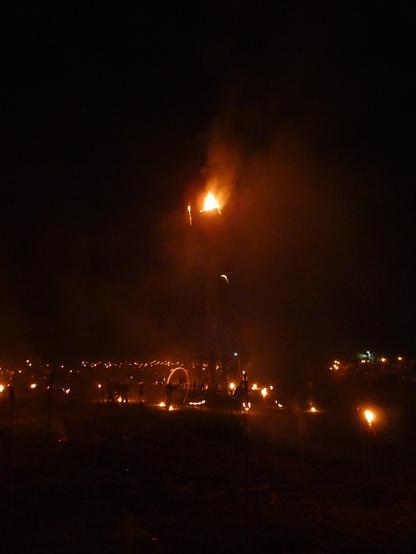
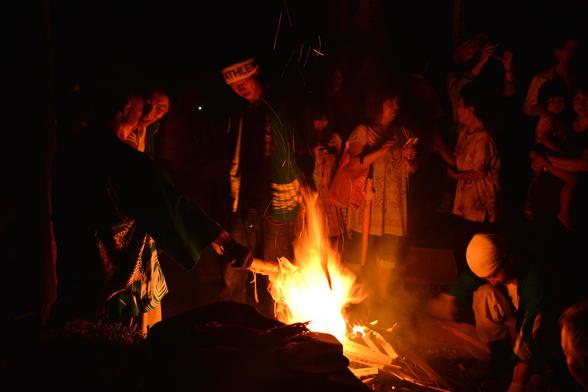
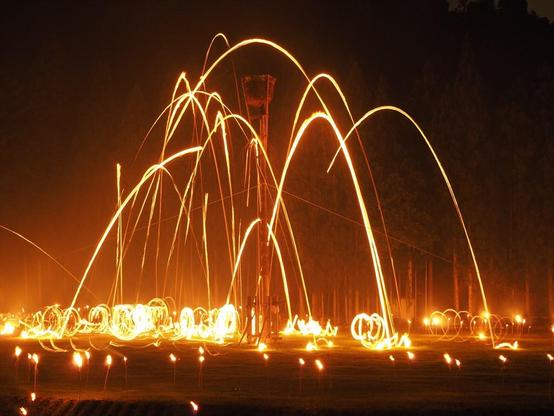
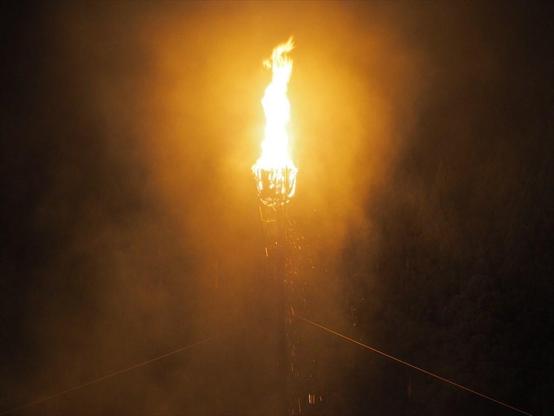
Along the Kamo River the villages of Hanase (花背), Hirogawara (広河原) and Kumogahata (雲ヶ畑) preserve torch lighting ceremonies called Matsuage (松上げ).

These fire festivals perhaps most clearly show where the Gozan-no-Okuribi came from.
#松上げ

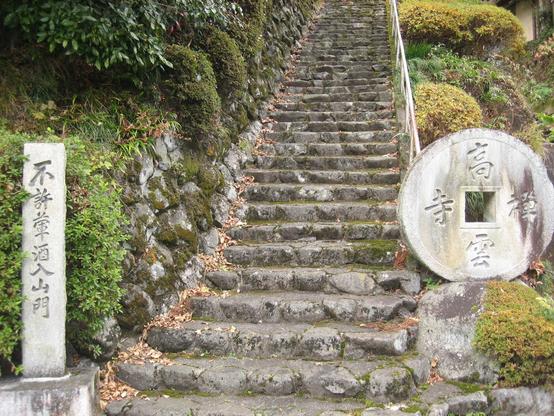
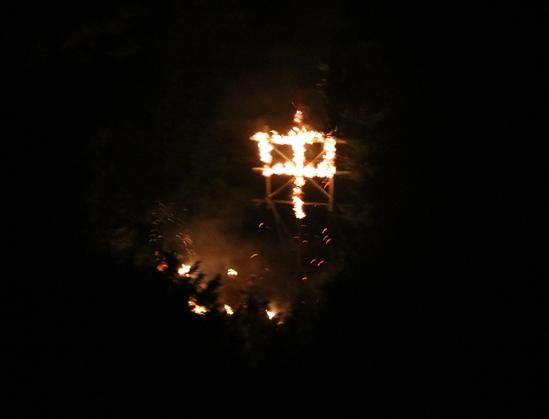
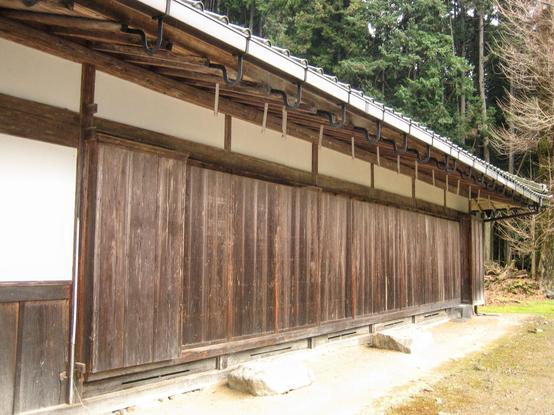
On August 24th the temple of Kōun-ji (高雲寺) in Kumogahata (雲ヶ畑) sponsors the Matsuage (松上げ).
Each year a secretly chosen (usually Buddhist) symbol is created with bonfires on the mountainside opposite the temple as a prayer for good harvests and fire protection.

#松上げ

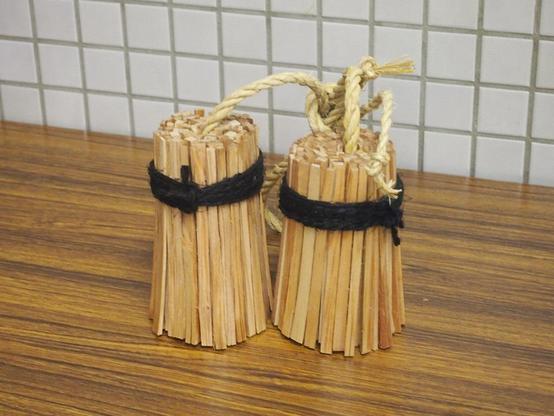
Another local tradition is the throwing of torches (or burning pieces of straw rope) into the air at the end of Obon (お盆).
In this way spirits are literally directed away from earth to the netherworld.

#Obon #お盆 #Kyoto #京都 #松上げ

From the end of the 16thC permanent war came to an end in Kyōto.
The increased wealth and organisation of neighbourhood associations allowed for more lavish festivals.

Obon thus became more than Buddhist memorial...it also became a time of celebration, of feasting, music and dance.

7) REFLECTIONS✨

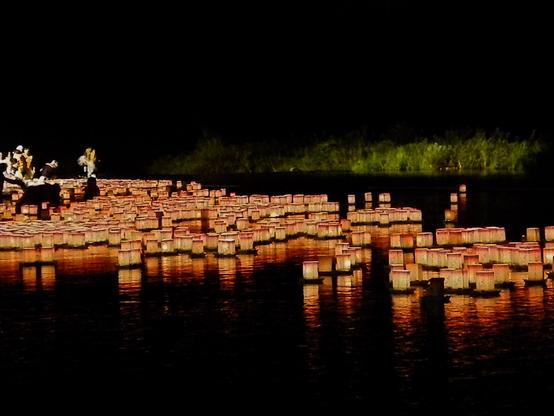
In 1802 the author Kyokutei Bakin (曲亭馬琴 1767-1848), in his work 'Jinjutsu Kiryo Manroku' (壬戌羇旅漫録), describes hundreds of lanterns reflected in the waters of the Kamo River, glistening like stars in the sky.

#曲亭馬琴 #Kamogawa #鴨川

He goes on to talk about various temples in the foothills arranging lanterns so that they were visible from the city.

Takizawa also mentions bonfires, made up of hemp, burning on Higashiyama. Representing Buddhist doctrines, these fires purified and guided the dead after Obon.

8) PUBLIC DISPLAYS🙌

In the late Edo period there are descriptions of the public gathering on the Kamo-gawa's dry river bed to send lanterns downstream.
The easiest way to send the spirits of the dead back to the Netherworld was via rivers or the sea.

#Obon #お盆 #lantern #鴨川

It is theorised that the Okuribi truly emerged as a result of the authorities clamping down on the many local fire festivals.

As fire was a constant danger to the city (and raucous celebrations a source of unease for the government), the Okuribi offered a safer alternative.

#送り火 #okuribi

9) CALLIGRAPHY✍️

Nakagawa Kiun (中川喜雲) in his 1662 Kyōto guide, 'Annai-sha' (案内者), mentions that Daimonji (大文字) was modeled on the calligraphy of the poet Konoe Nobutada (近衛信尹 1565-1614).
Mysteriously, no further explanation is given.

#Kyoto #大文字 #五山送り火

10) ASHIKAGA MEMORIAL😇

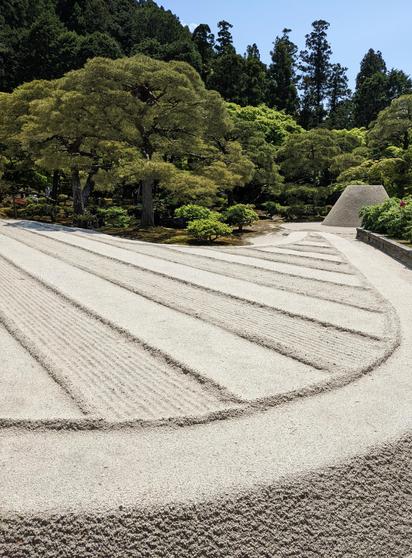
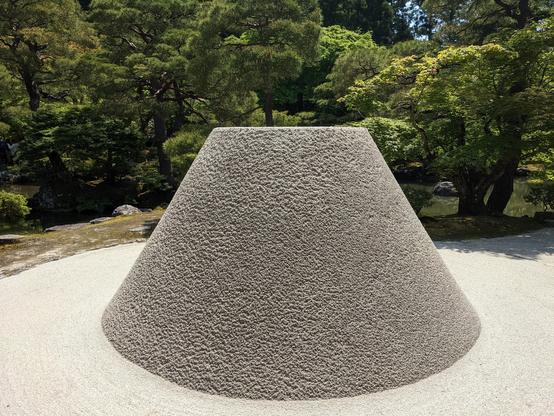
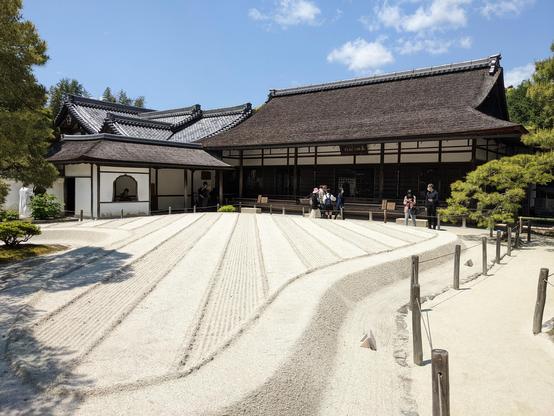
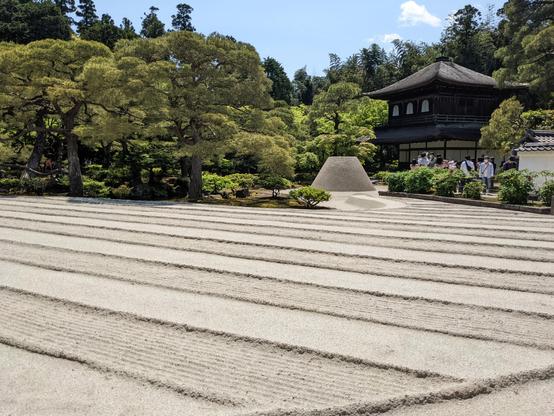
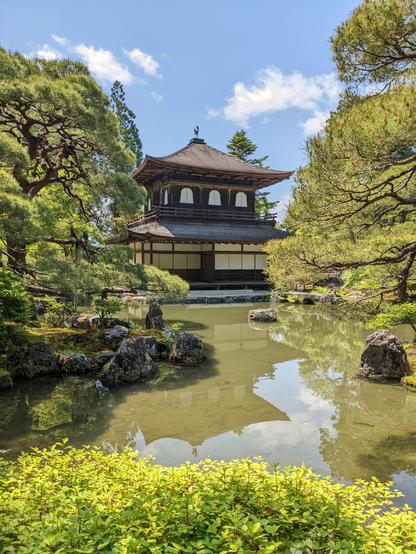
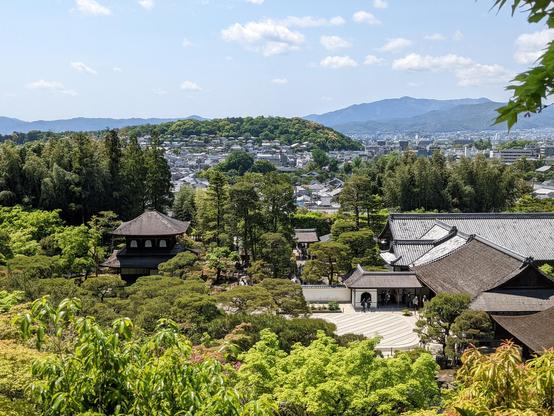
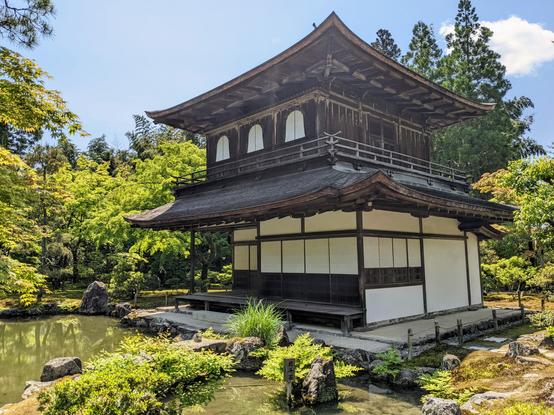
At the base of Daimonji-yama (大文字山) stands Ginkaku-ji (銀閣寺/慈照寺), founded by Ashikaga Yoshimasa (足利義政 1436-90).

Some believe Yoshimasa began Daimonji in order to commemorate the death of his son Yoshihisa (足利義尚 - 9th Shogun) in 1489.

#京都 #Ginkakuji #銀閣寺 #足利義政

The legend goes that the character '大’ was first created in white cloth under the supervision of the Shōkoku-ji monk Ōsen Keisan (相国寺/横川景三) and Yoshimasa's retainer, Haga Kamon (芳賀掃部), in 1489.
Fire pits were then dug and set ablaze to coincide with Obon's end.

#Kyoto #Obon

11) HISTORICAL ABSENCE🧐

Folklore specialist Professor Yagi Toru points to an origin some time in the Edo period.
If Daimonji had been a regular, or even semi-regular, event in the time of Toyotomi Hideyoshi then it would absolutely have been carefully documented.

#Kyoto #ToyotomiHideyoshi

12) DOLL🪡

One of the odder theories behind the meaning of Daimonji is that it represents a doll with outstretched arms and legs '大'.

Some believe the 75 fire pits are deliberately positioned at important meridians (vital points in the body), symbolising health and well-being.

The most likely explanation is perhaps the most mundane.

The tradition of lighting votive lanterns and bonfires to mark the end of Obon was moved by local communities from temples to the mountainside, where their imaginations ran free creating giant symbols in the dark.

*THE END*