🧊KAKIGŌRI🍧

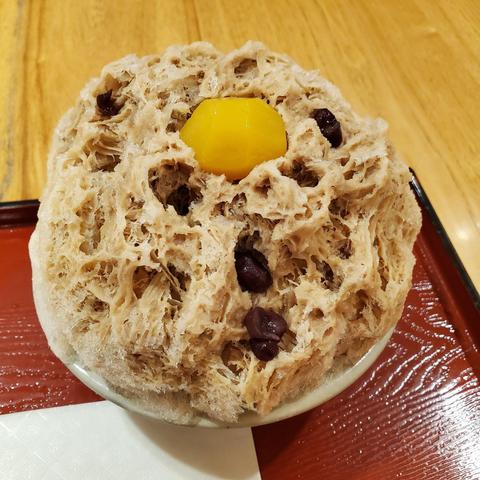
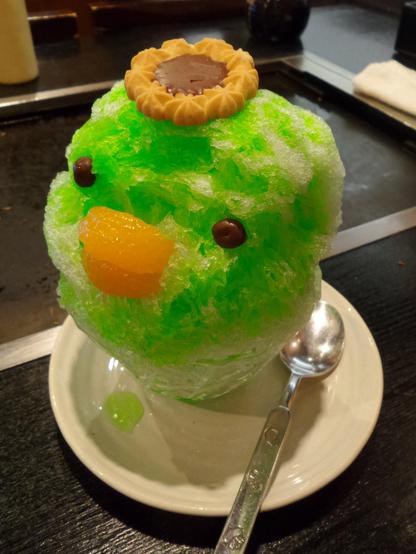
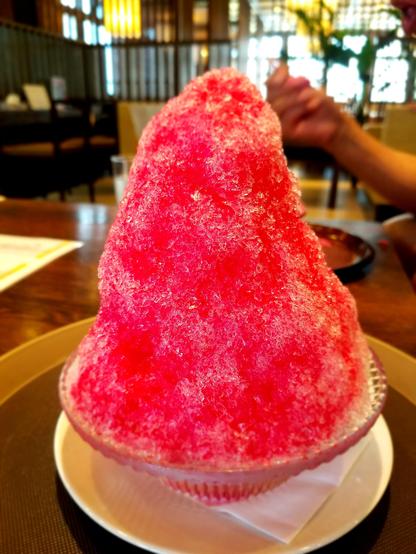
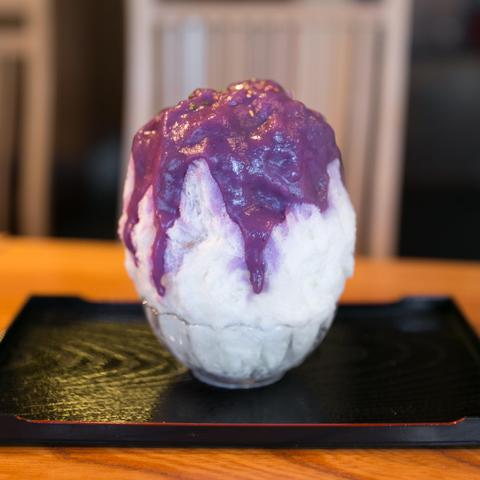
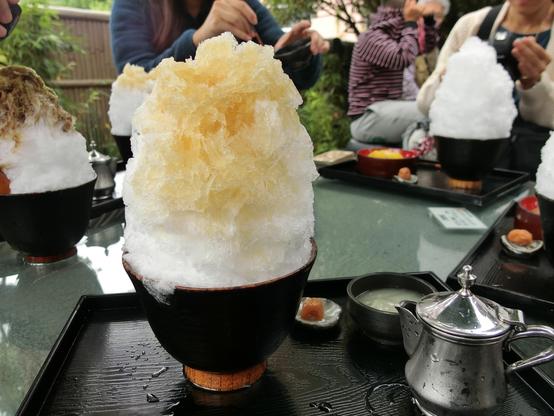
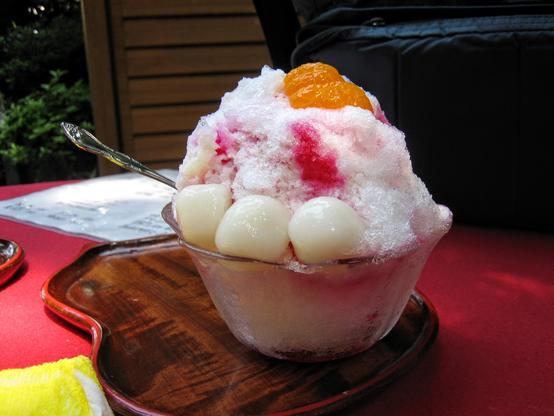
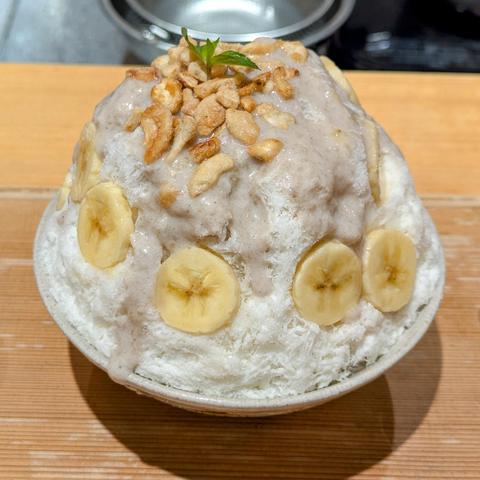
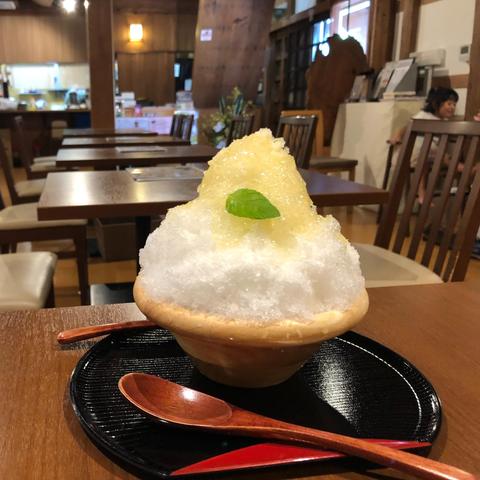
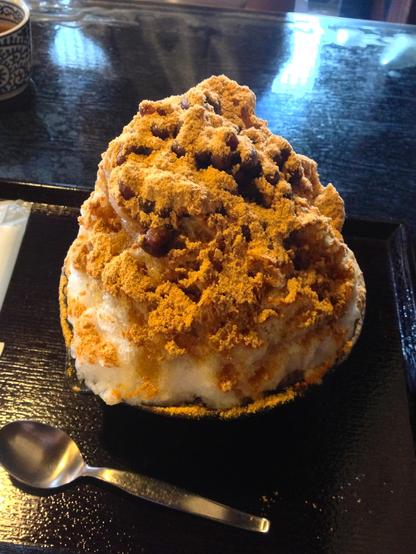
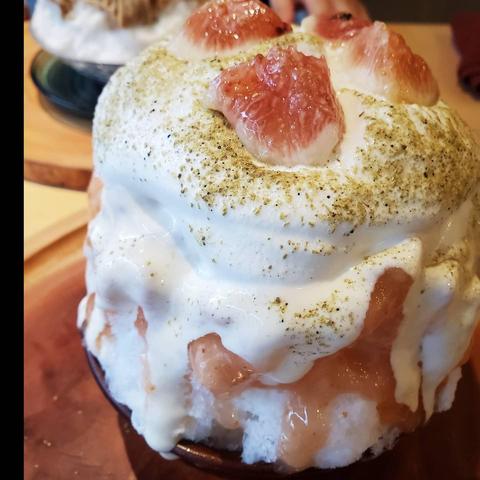
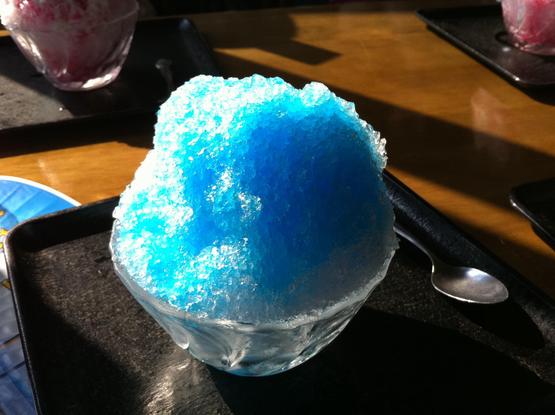
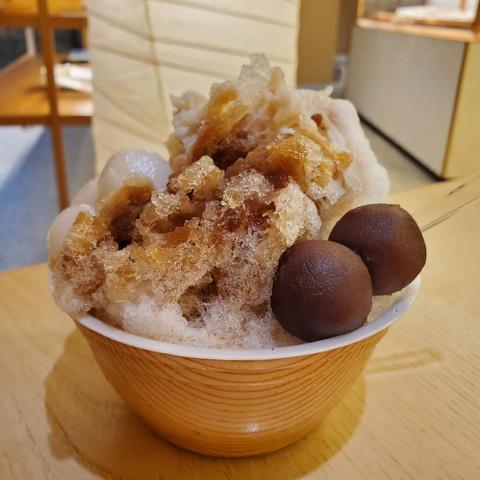
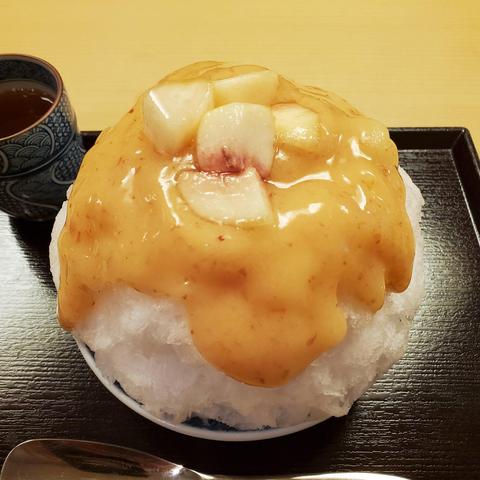
One summer treat Kyōtoites cannot do without is 'kakigōri' (かき氷), a shaved-ice dessert covered in all kinds of deliciousness.

The first reference we have to kakigōri in Japan is in Chapter 42 of Sei Shōnagon's (清少納言 966-1017) 'The Pillow Book' (枕草子).
#Japan #shavedice #kakigori #かき氷

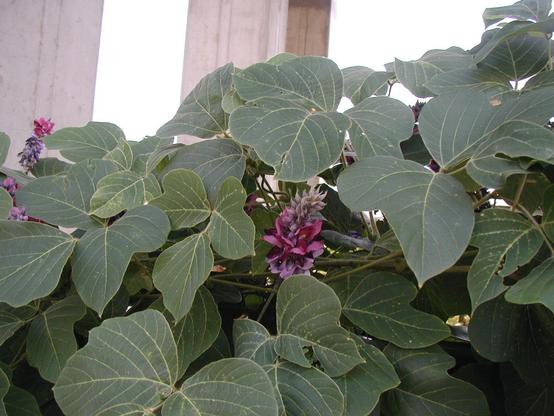
Sei Shōnagon (清少納言) describes a dessert created by scraping ice shavings with a metal knife into a metal bowl. It was flavoured with the sweet sap of arrowroot (葛 'kuzu vine')...not so different from today's kakigōri!

#Japan #kakigori #かき氷 #Kyoto #京都 #清少納言 #枕草子

July 25th is 'Kakigōri-no-hi' (かき氷の日 'Shaved Ice Day') in Japan🥵🍧🎉

The Kakigōri Association selected this date as it's a neat play on words...

7/25🟰'na' (7) 'tsu' (2) 'go' (5) ri
🤔
natsu gōri (夏氷 'summer kakigōri')
😐
#かきごうりの日 #かき氷の日 #Japan #shavediceday

There is one other reason the date is important.

On June 25th 1933 Yamagata City recorded a high of 40.8 degrees (thanks to the Foehn Effect), astonishing the country at the time.

Nowadays this type of temperature is becoming all too common during the summer🥹

#Japan #kakigori

Ice for centuries was a luxury commodity, prohibitively expensive, and in short supply.

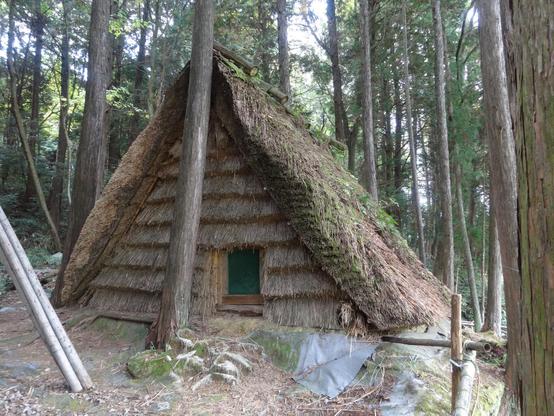
During the Heian period, naturally forming ice was cut in the mountains during the winter and shipped to special storehouses called 'himuro' (氷室). It was for the express use of the palace.

#氷室 #icehouse #Japan

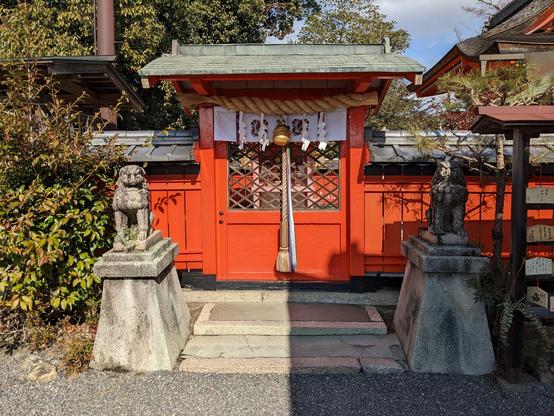
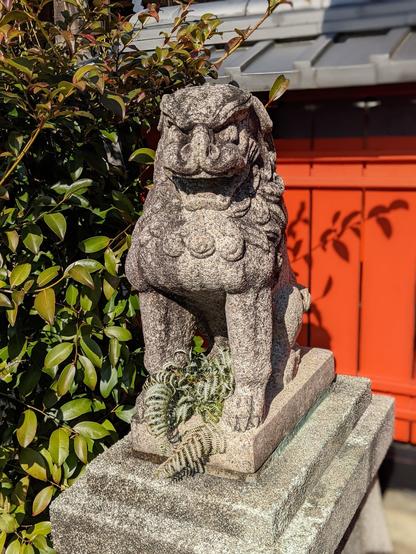
Fukō-sha (夫荒社), in the grounds of Fukuōji-jinja (福王子神社), is dedicated to the spirit of a laborer who died nearby whilst transporting the annual tribute of ice from Tanba Province (丹波国) to the imperial court (an exhausting race in grueling heat).

#Kyoto #Japan #ice

Whilst the other laborers discussed what to do they allowed much of the ice to melt, and 2 of their number were later beheaded by a furious court.

It's said their ghosts (rightfully) began to haunt the local area & so a shrine to the 3 dead men (夫荒神 'Bukō-no-kami') was erected.

#ghost #幽霊 #haunting

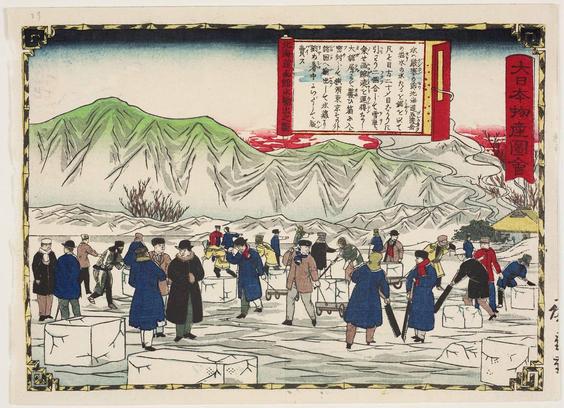
It was the influential food merchant Nakagawa Kahee (中川嘉兵衛 1817-97) that made kakigōri accessible to everyone.

He opened a regular shipping route from Hokkaidō to Yokohama, allowing for 'Hyōsuiten' (氷水店), the first kakigōri store, to open in Bashamichi (馬車道) in 1872.

#kakigori #Hokkaido #ice

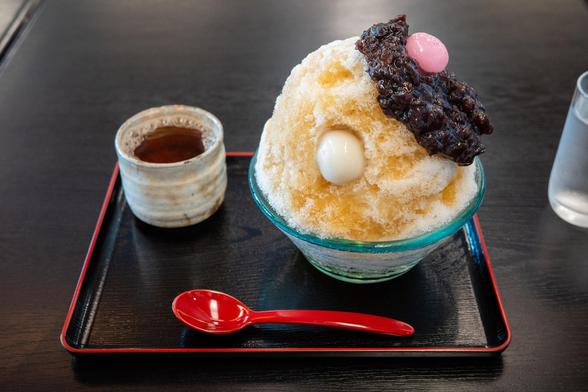
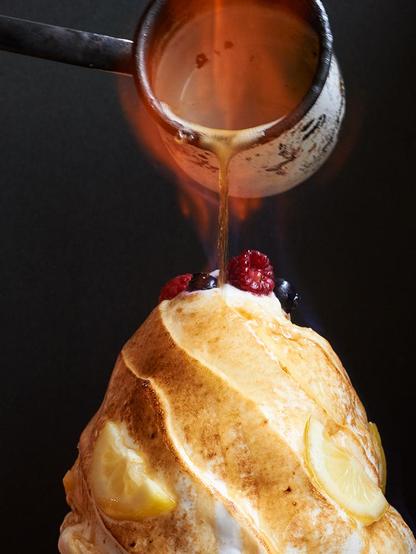
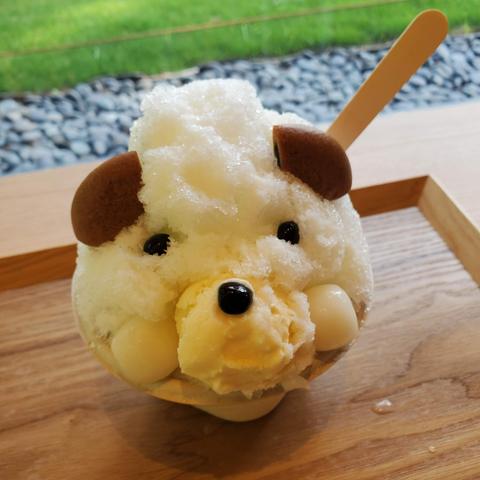
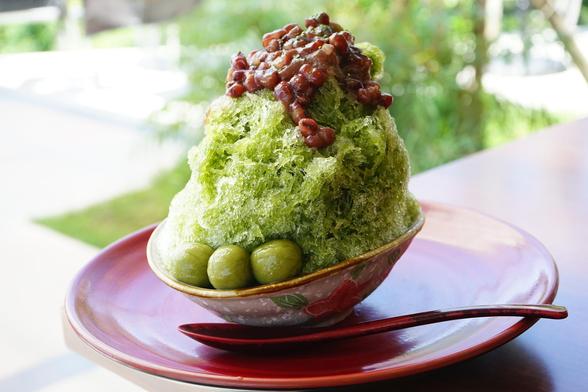
There are many different kinds of kakigōri, including 'shirokuma' (白熊 'white bear'), 'ujikintoki' (宇治金時 lit. 'Uji red bean paste') and 'yakigōri' (焼き氷 'baked ice').
Liquor, typically brandy, is poured on top of the 'yakigōri' and set alight🔥

➡️https://hanako.tokyo/news/food/68285/

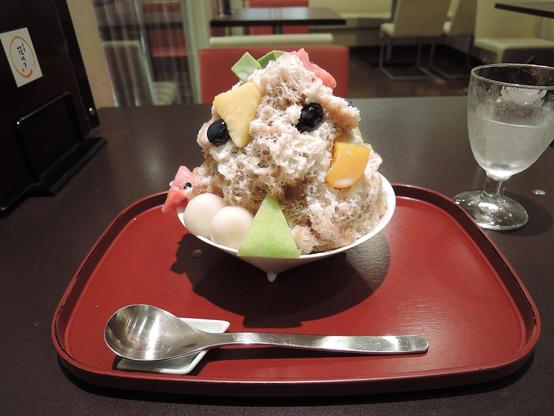
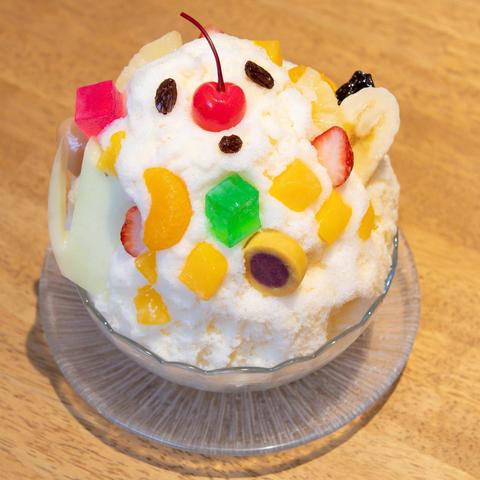
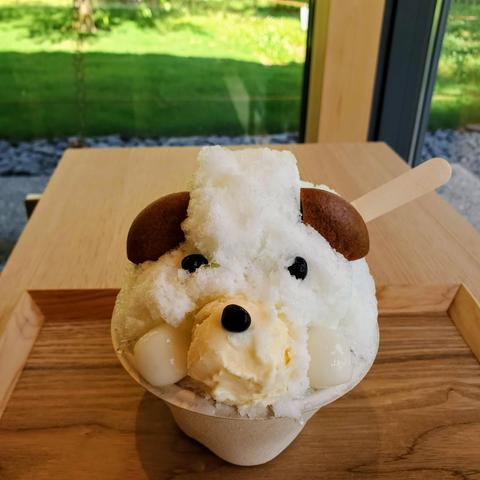
'Shirokuma', a dessert of condensed milk, mochi, fruit and bean paste over shaved ice, has been eaten in Kagoshima since mid-Edo times.

There are many theories as to why it was called 'polar bear'. Some people suggest it was created in honor of Saigō Takamori (西鄕隆盛 1828-77)🤔

🐻‍❄️Theory 1: A Kagoshima cotton store began selling kakigōri as a side-business. Noticing a polar bear on the cans of condensed milk used in the sweet, they called it 'shirokuma'.

🐻‍❄️Theory 2: Mujaki coffee shop believed their kakigōri dessert looked like a polar bear from above!

#shirokuma #シロクマ

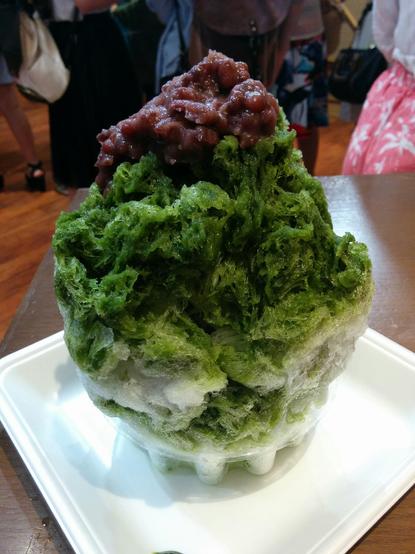
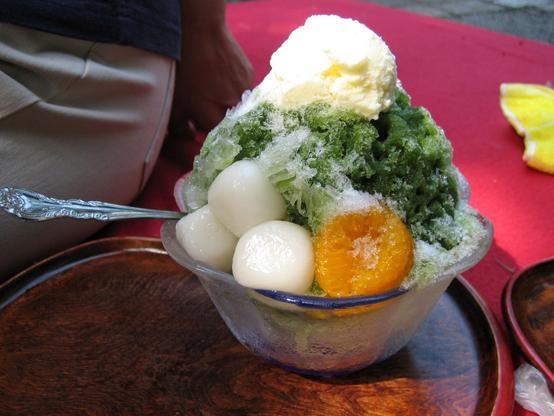
As one might expect from the home of matcha in Japan, 'ujikintoki' (宇治金時) is a dessert of ice shavings slathered in matcha-syrup, red bean paste and mochi.

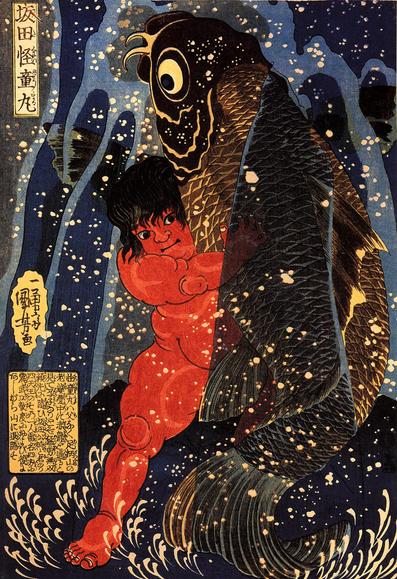
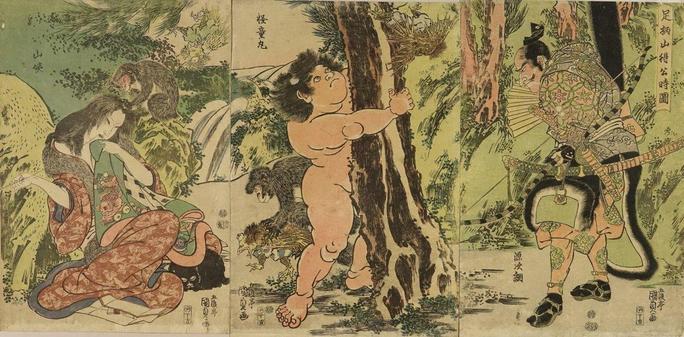
'Kintoki' (きんとき) red bean paste is named after the folk hero Kintarō (金太郎), who is often depicted with red skin.