 TheImpressiveX
Please remember to spread the word about this :(
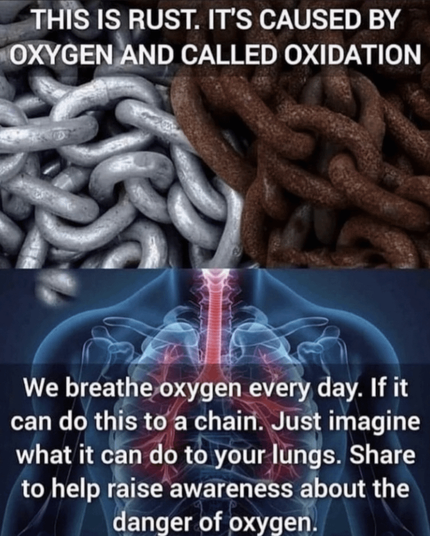
Please remember to spread the word about this :(
Oxidation is the loss of electrons, whereas reduction is the gain of electrons. The mnemonic is OIL RIG: Oxidation Is Loss, Reduction Is Gain.
Oxygen is highly electronegative (second only to fluorine), meaning that it will strongly pull electrons.
The reason that oxygen is so important for respiration is because of its high electronegativity. It is used as the final electron acceptor in a chain of chemical reactions that are used to convert high energy molecules that you’ve eaten into different high energy molecules that your body can use.
Think of the analogy of a staircase and a ball. The ball is an electron and the stairs are energy states of different molecules along the metabolic pathway. As the ball goes down the stairs, the electron loses energy (which is usually converted to ATP or NADH). At the bottom of the stairs is oxygen, once the electron gets there, it doesn’t have anymore potential energy to lose, unless maybe you have some fluorine around.
An oxygen missing an electron (an oxygen radical) is highly reactive. It’ll just steal an electron from whatever molecule is nearby. That may be DNA or any other molecule that you’d rather keep intact. Antioxidants are helpful as electron donors, neutralizing radicals before they do damage.
This is my understanding, at least. It’s been a while since I took chemistry.
 Winter_Oven