🎉 Good news! The paper ‘🎉 Good news! The paper ‘Invasive plants have a delayed and longer flowering phenology than native plants in an ecoregional flora’ in @AnnBot by Adrián Lázaro-Lobo and co-authors is now #free for a limited time 🧵(1/7)

👉 https://doi.org/ppkm

#AoBpapers #InvasiveSpecies #FloweringPhenology #PlantEcolog

Many invasive species flower at different times, or for longer, than native plants. This may help them avoid competition and access pollinators or resources when natives aren’t around. 🌸⏱️ (2/7)
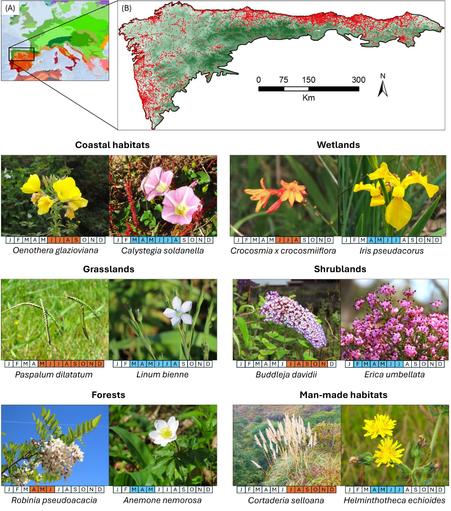
Researchers compared flowering start, end, and duration of invasive vs. native species in a hotspot for plant invasions in SW Europe. They focused on plants growing at the same elevations. (3/7)
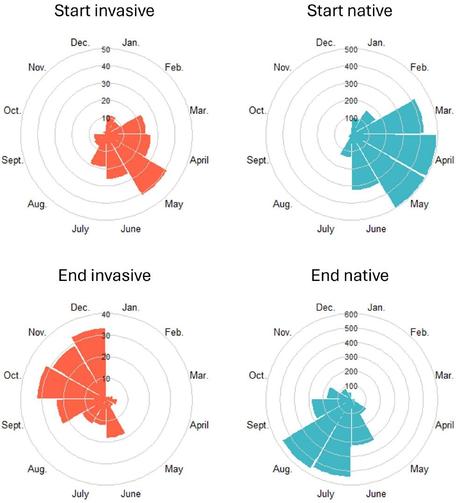
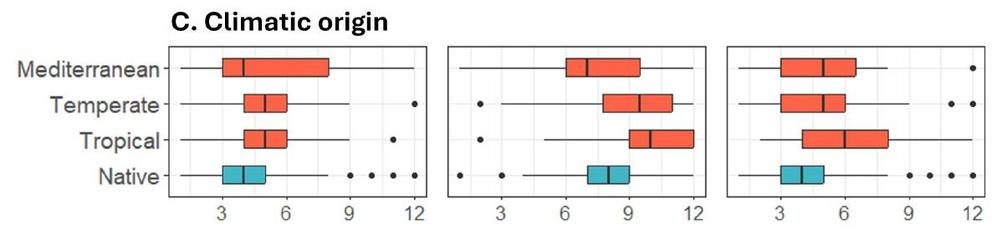
📊 The findings? Invasive species flowered later and for longer than natives. These patterns were especially strong in human-altered habitats. (4/7)
🌍 Invaders from temperate and tropical regions showed the biggest differences, suggesting that their flowering strategies may be shaped by their native climates. (5/7)
These results support two key ideas:
✔️ Vacant niche hypothesis: Invaders flower at different times to avoid direct competition.
✔️ Niche breadth hypothesis: They flower longer to maximize access to resources. (6/7)

🌿 The timing mismatch may give invasive plants a strategic advantage, helping explain their success in new regions. Understanding these patterns could improve how we predict and manage biological invasions. (7/7)

👉 https://doi.org/ppkm

#AoBpapers #InvasiveSpecies #FloweringPhenology #PlantEcology