😋THE GUARDIAN OF KYŌTO'S KITCHEN🍴

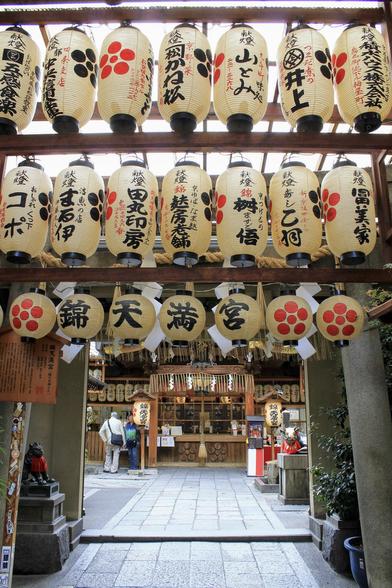
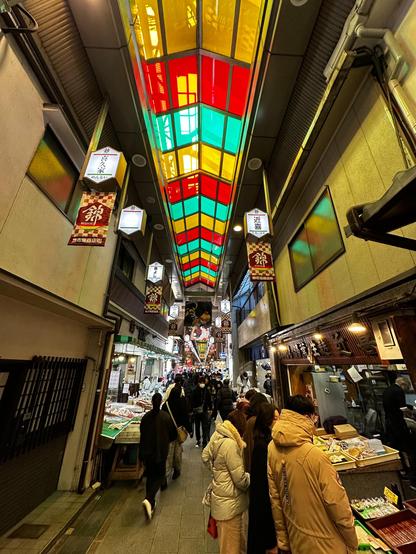
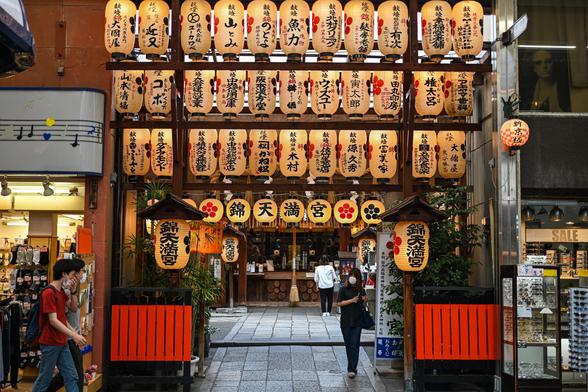
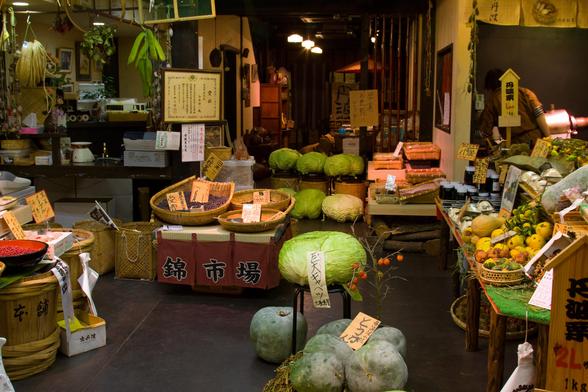
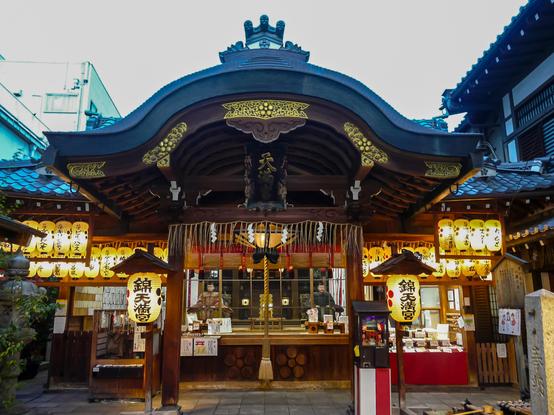
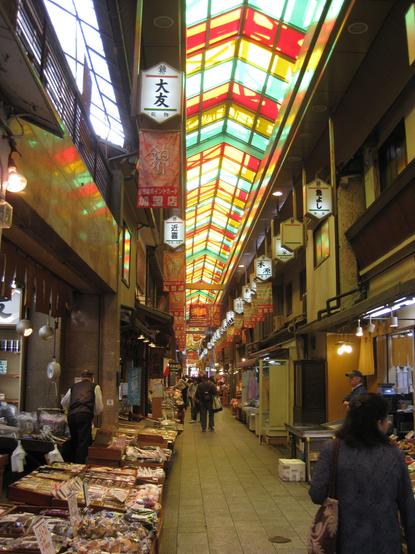
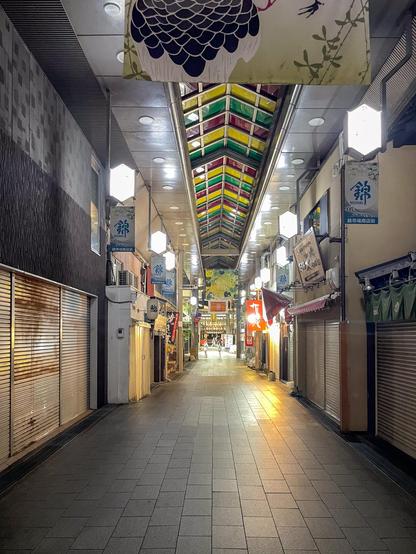
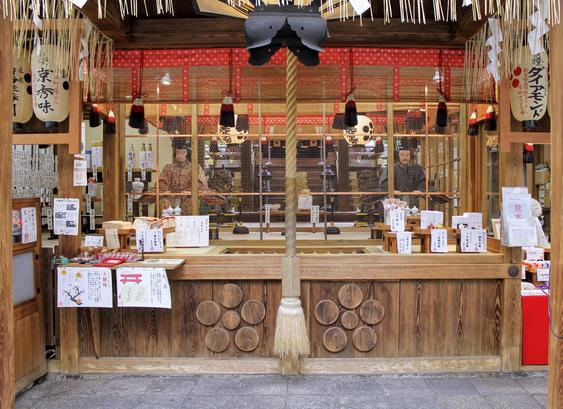
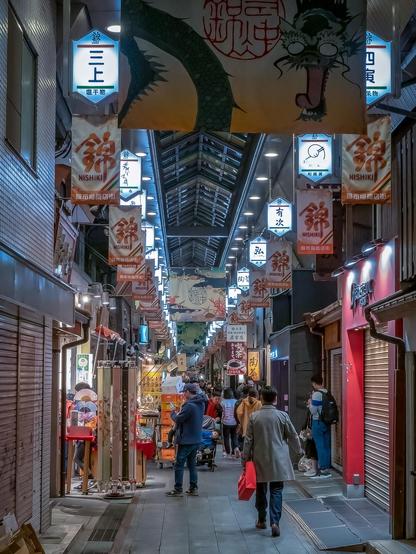
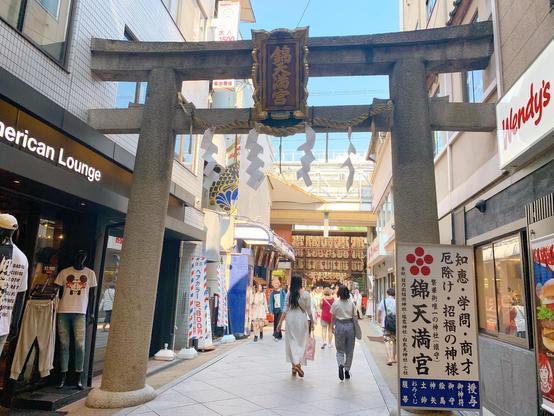
Nishiki Tenmangū (錦天満宮) stands on Shinkyōgoku (新京極), at the east end of Nishiki Market (錦市場).
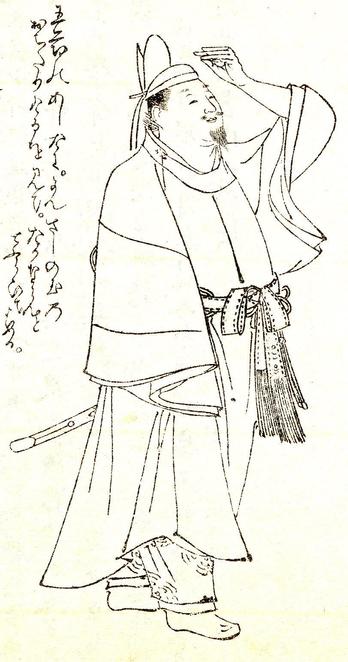
Enshrining Tenjin (天満天神 the deified statesman Sugawara-no-Michizane 菅原道真 845-903), people pray here for wisdom, scholarship and prosperous business.
#Japan #Nishiki #錦市場

The shrine also goes by the names Nishiki Tenjin-sha (錦天神社), Nishiki Tenman-jinja (錦天満神社) and Nishiki-no-Tenjin-san (錦の天神さん).

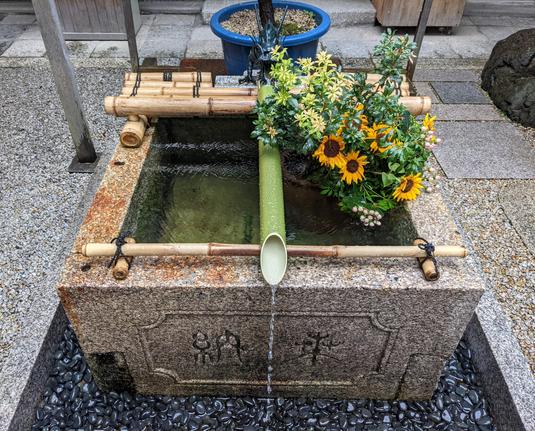
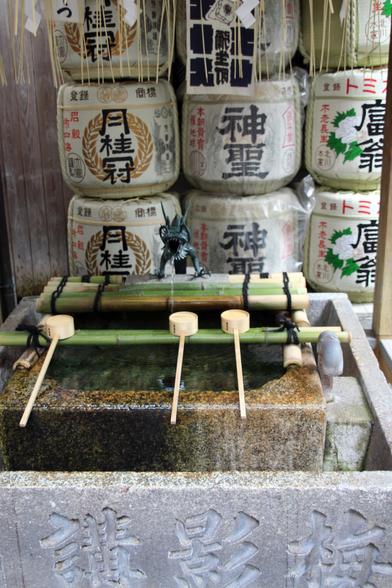
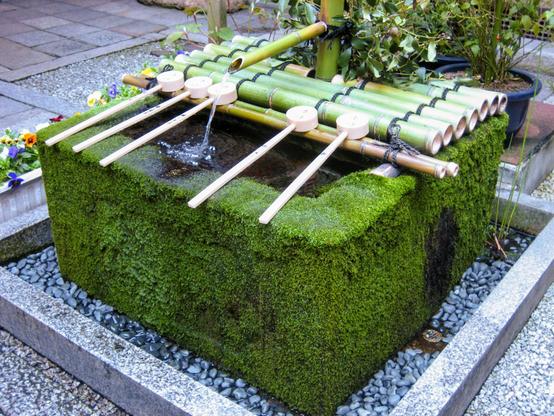
The grounds preserve one of the wells so pivotal in the development of Nishiki Market (錦市場).

#Kyoto #Japan #京都 #錦市場 #NishikiMarket

In early Heian times it was discovered that the area's natural spring water (known as Nishiki Water '錦の水') acted as a preservative for fish, fowl and fresh produce, and as a result countless shops congregated in the vicinity.

This is the origin of Nishiki Market.
#京都 #Kyoto #錦市場 #NishikiMarket

The water, drawn from 30m underground since 1960 (when urban development began to interfere with the water table), remains at a constant temperature of 17-18 degrees.
#Kyoto #京都 #Japan #NishikiMarket #錦市場 #Shinkyogoku #新京極 #錦の水 #錦天満宮

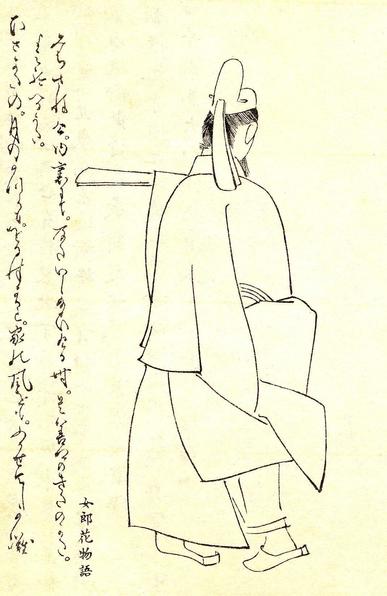
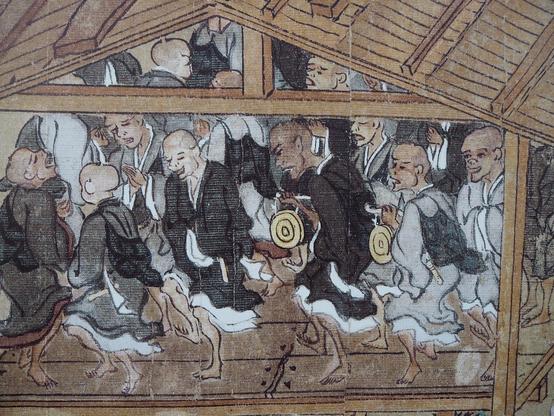
In 1003 'Sugawara-in' (菅原院), the old villa of Sugawara-no-Koreyoshi (菅原是善 - father of Michizane), was moved to a site once occupied by the 'Rokujō Kawara-no-in' (六条河原院), lavish home of the courtier Minamoto-no-Tōru (源融 822–95 -model for Murasaki Shikibu's "Genji").
#Kyoto #Shoseien #六条河原院 #菅原院

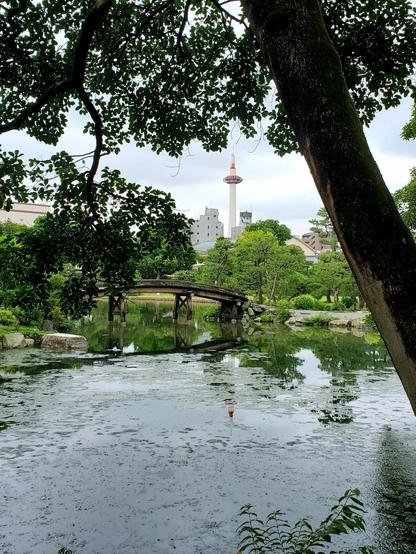
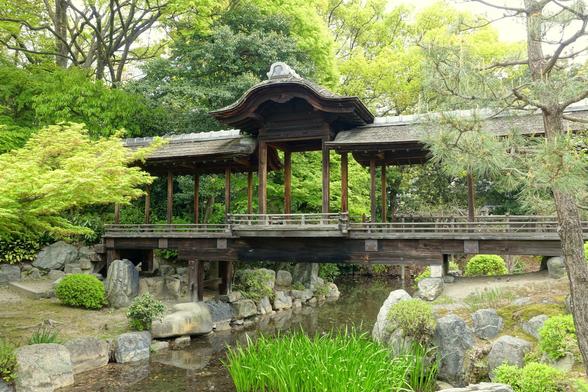
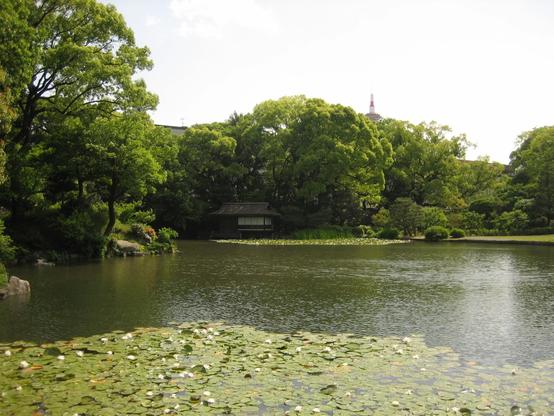
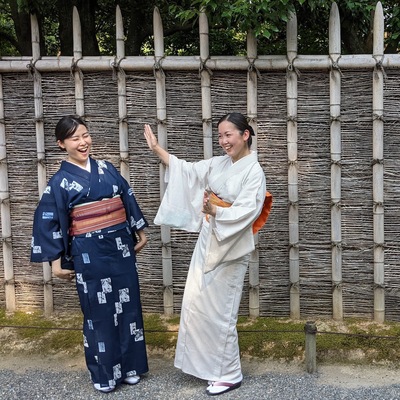
Nao-san braves a wet Shōsei-en (渉成園), remnant of Minamoto-no-Tōru's 'Rokujō Kawara-no-in' palace (六条河原院).

#Shōseien #渉成園 #Kyoto #京都 #梅雨 #Japan #rainyseason #plumrains

The old buildings of the Sugawara-in were used to create a new guardian shrine (dedicated to the god Tenjin, the deified Sugawara-no-Michizane) for the Kanki-ji temple (歓喜寺).

In 1299 the land was gifted to Zendō-ji (善導寺) by the chief advisor to the emperor, Kujō Tadanori (九条忠教 1248-1332).
#Kyoto

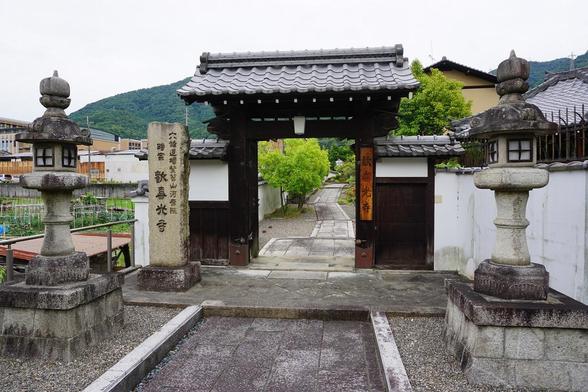
Zendō-ji was moved to its new home. It absorbed Kanki-ji and was renamed Kankikō-ji (観喜光寺).
The shrine continued to act as guardian of the temple.

The original precincts would have taken up most of the current Shōsei-en gardens (渉成園).
#Kyoto #観喜光寺 #京都

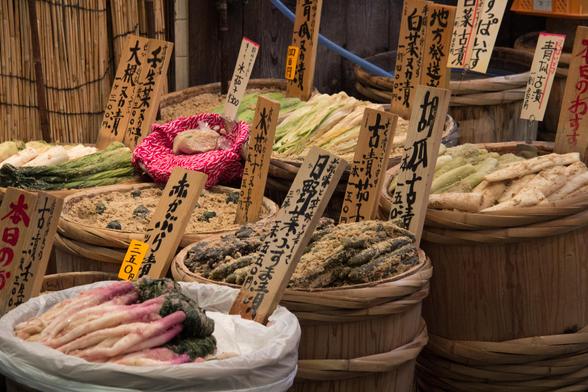
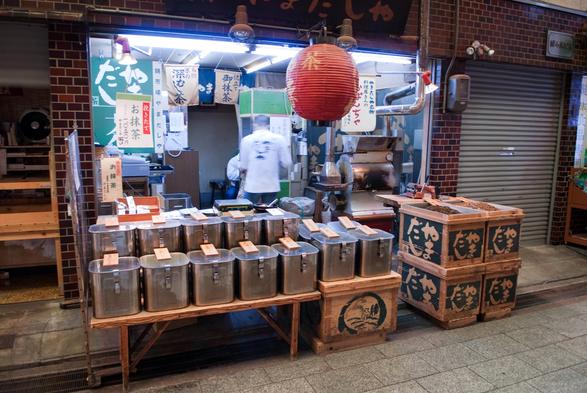
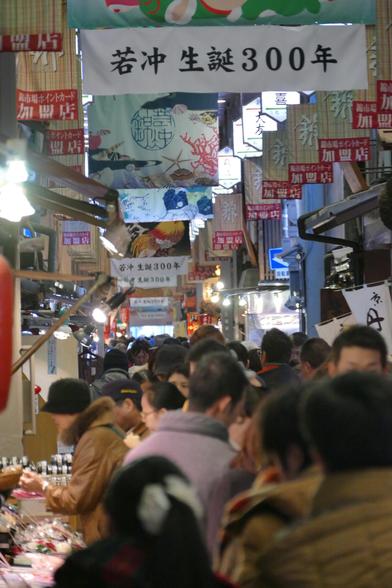
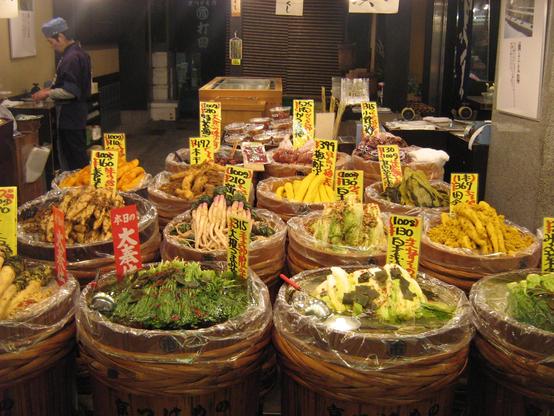
In 1587 Toyotomi Hideyoshi (豊臣秀吉) relocated Kankikō-ji (観喜光寺) and its shrine to the eastern end of Nishiki Market (錦市場), a street of shops and restaurants familiarly known as "Kyoto's Kitchen" since Heian times.

#NishikiMarket #Kyoto #京都 #Shinkyogoku #Japan #錦市場

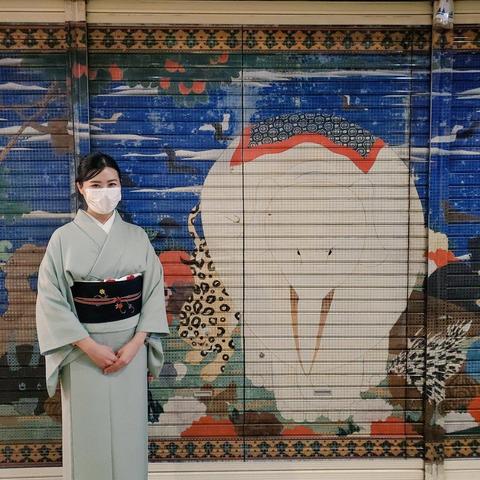
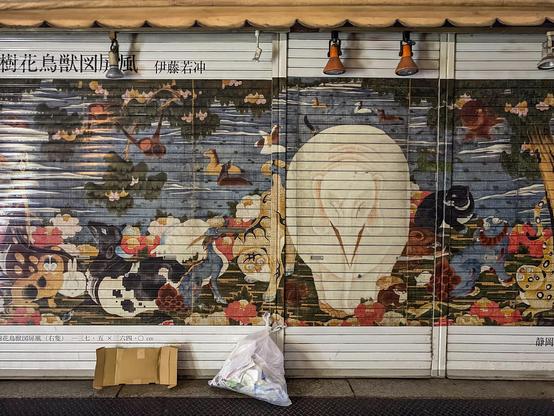
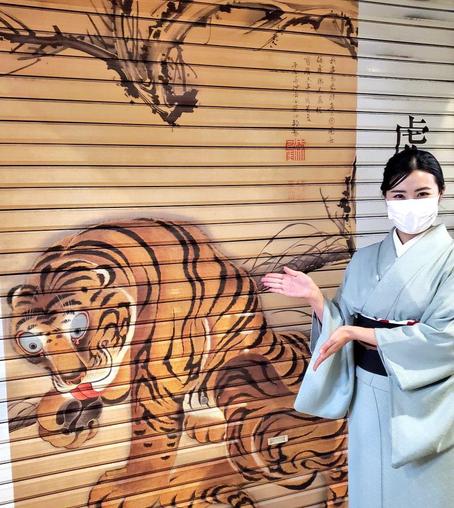
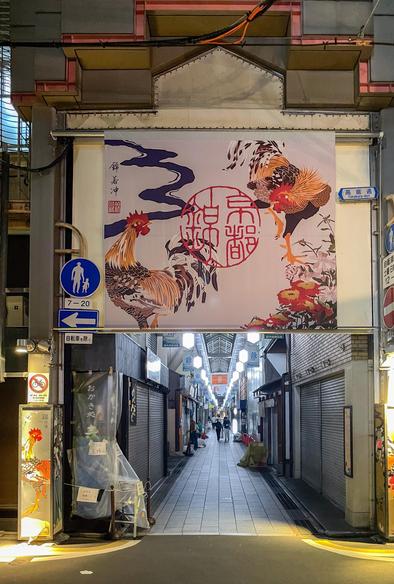
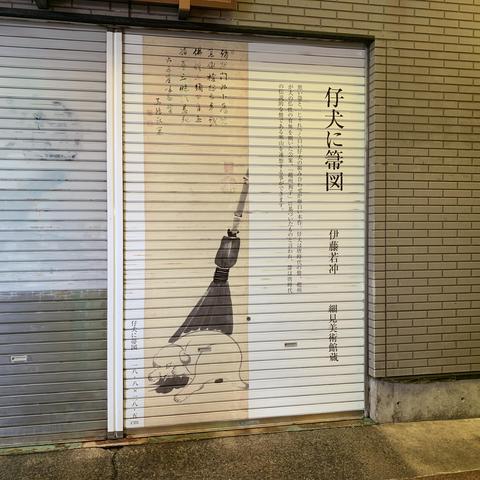
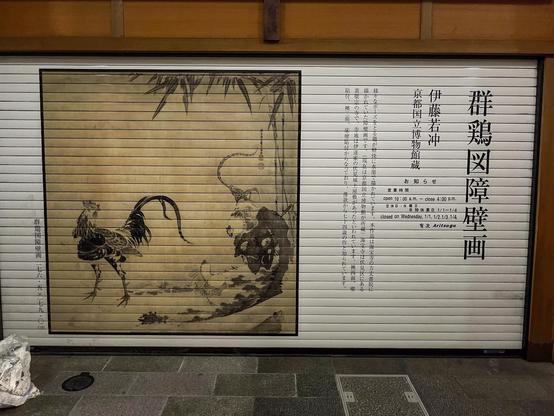
Itō Jakuchū (伊藤若冲 1716-1800), one of Japan's most famous painters, was born at the west end of Nishiki Market.
Upon his father's death Itō took over 'Masu-ya' (桝屋), the family's greengrocer business, but at 40 he passed this on to his brother so he could focus on painting.

#ItoJakuchu #伊藤若冲 #artist

Growing up in the market certainly influenced Itō's work, and even after retirement he continued to support local businesses whilst working out of his nearby studio.

Itō's influence saved the market after it was closed between 1771-74 (the reasons for this closure are unclear).

During the anti-Buddhist movement of 1868 (神仏分離 'Shinbutsu Bunri') the shrine and temple were separated.

Kankikō-ji was moved to Higashiyama Gojō (東山五条), but its guardian Tenjin shrine remained and was renamed Nishiki Tenmangū (錦天満宮).

#NishikiTenmangu #錦天満宮 #Kyoto #NishikiMarket #錦市場

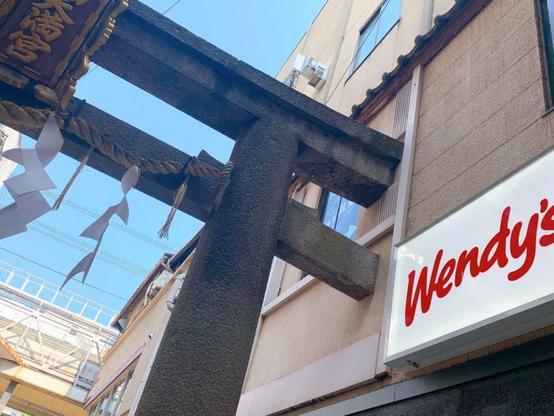
In 1935 money was raised for a new stone torii between the shrine and the east end of Nishiki Market.
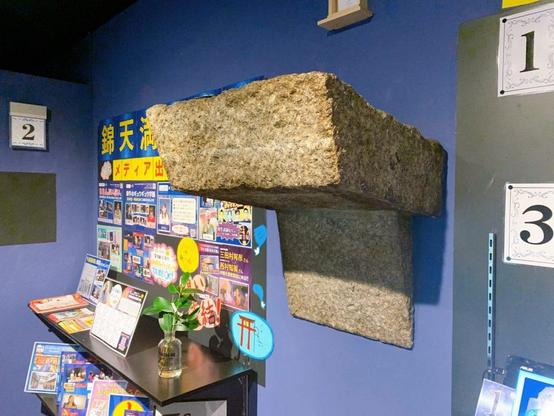
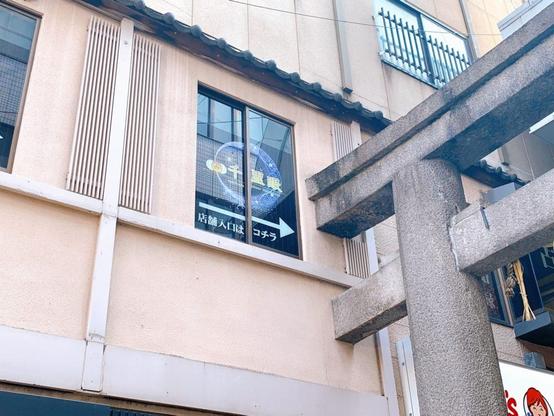
When the gate was finished it turned out to be too wide to fit between the buildings on either side of the street⛩️😰
If you look closely you can see that rather than cut the torii, the stone beams actually go through the buildings on either side!👀😅
@camelliakyoto TORII in a WENDYS
...TORII in a WENDYS!!