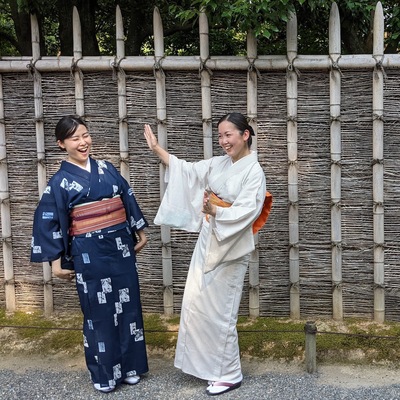
 Camellia Tea Ceremony
🌧️'THE PLUM RAIN'☔️
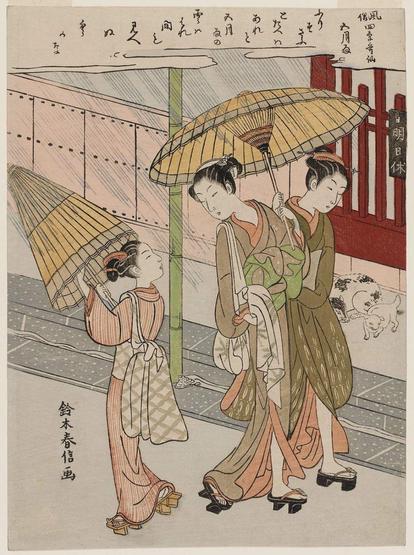
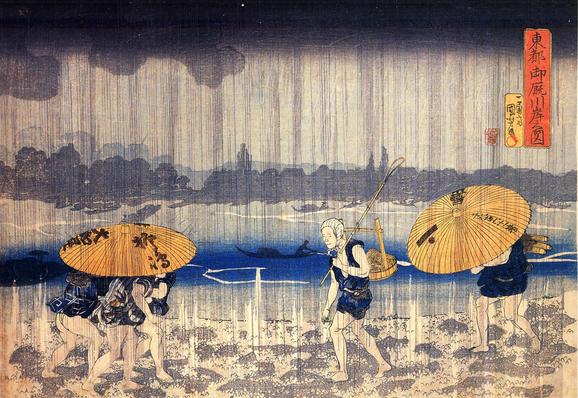
June heralds the rainy season in Japan. Known as 'Tsuyu' (梅雨), the 'Plum Rain', this period coincides with the plums ripening.
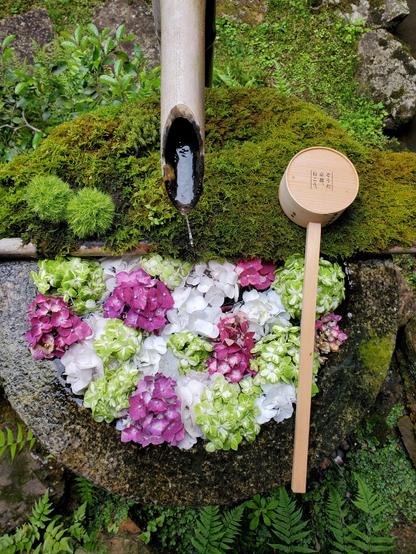
The damp weeks are marked by their dazzling greenery and the appearance of the celebrated hydrangea.
🌧️'THE PLUM RAIN'☔️
June heralds the rainy season in Japan. Known as 'Tsuyu' (梅雨), the 'Plum Rain', this period coincides with the plums ripening.
The damp weeks are marked by their dazzling greenery and the appearance of the celebrated hydrangea.
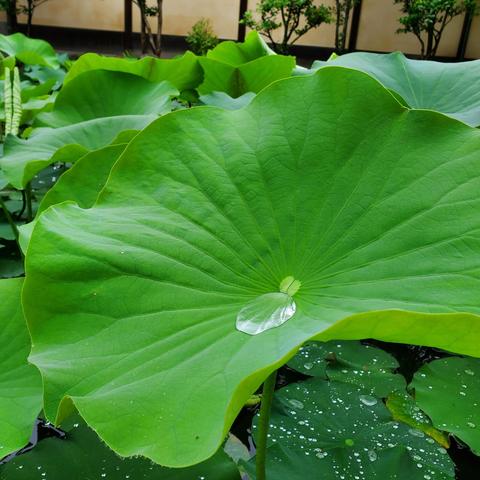
The mesmerizing, ultrahydrophobic surface of a lotus leaf😵💫👏😊
on lotus leaves
this world's dewdrops
are warped
蓮の葉に此世の露はいびつ也
-Kobayashi Issa (小林一茶), 1819.
Trans. David Lanoue.
#lotus #Shōseien #渉成園 #Kyoto #京都 #Japan #rainyseason #梅雨 #plumrains
Originally a Chinese term, the name 'Plum Rain' applied to the 4th and 5th lunar months, and the belief that the rainy conditions were created by the plum trees south of the Yangtze.
When the plums turned yellow and dropped, it is thought the moisture created turned to rain.
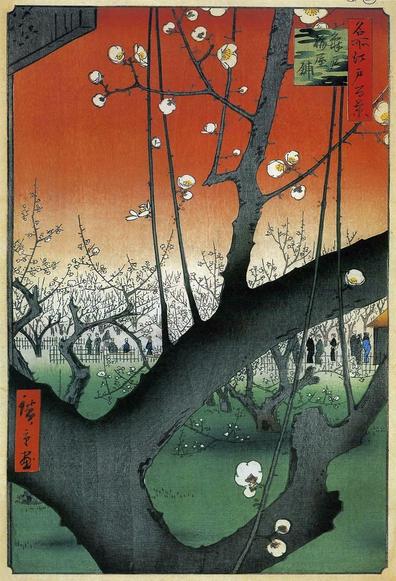
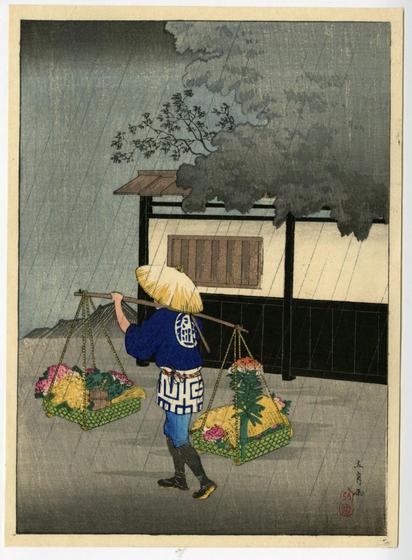
The poet Du Fu (杜甫 712–70) helped romanticize the idea of plums causing the rains.
But...while it is a lovely image (rain showers misting up from plum trees), the simple truth is that plums ripened at the time of the wet season, and so the name 'Plum Rain' was born🌧️
The warm, damp conditions of rainy season are perfect for mold, and there is a theory that at first this time was known as 'Baiu' (黴雨 lit. 'Mold Rains').
As this name was rather ugly it was a simple switch to 'Baiyu' (梅雨 'Plum Rain'), now commonly read as 'Tsuyu'.
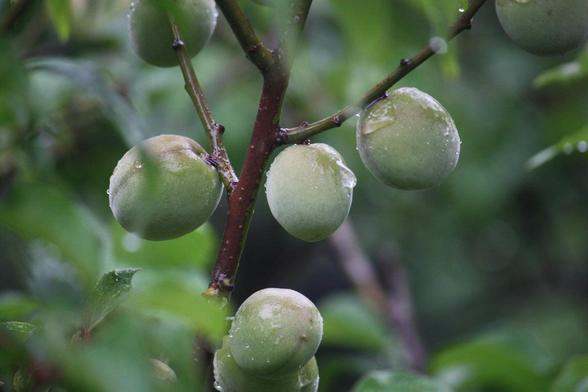

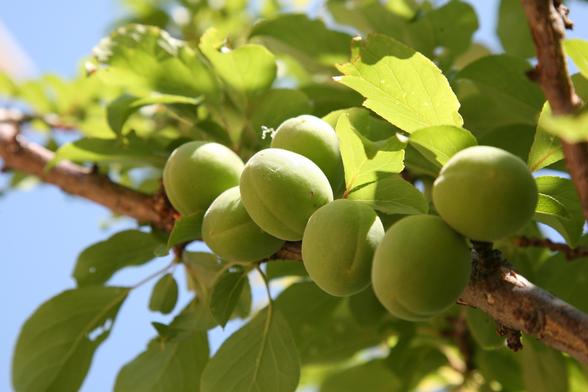

In Edo times the name 'Baiyu' fell out of fashion and 'Tsuyu' took its place, using the same characters '梅雨'.
Possibly the poetic use of 'tsu' came from images of dew-covered leaves (露 'tsuyu') or the idea of rain dislodging plums, which split on the ground (潰ゆる 'tsuyuru').
 Parker51
 Arne
Arne