 Camellia Tea Ceremony
🐙📿THE OCTOPUS BUDDHA & OTHER CEPHALOPODS✨🦑
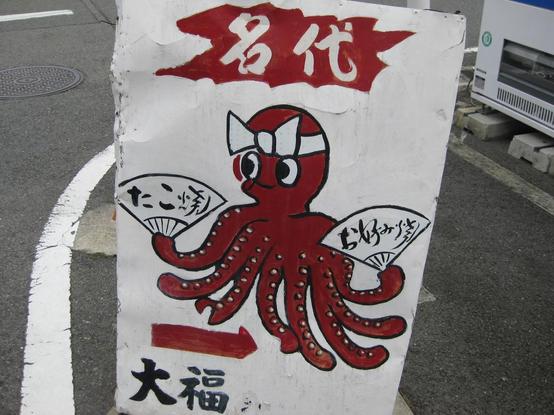
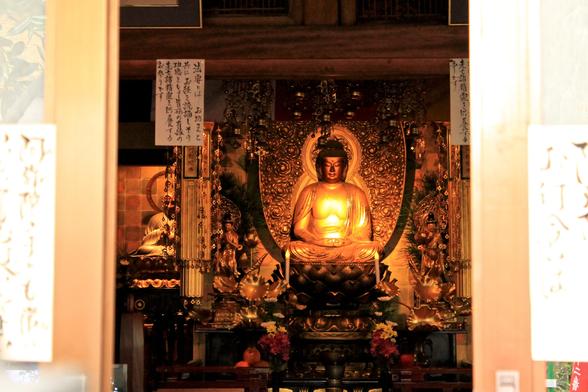
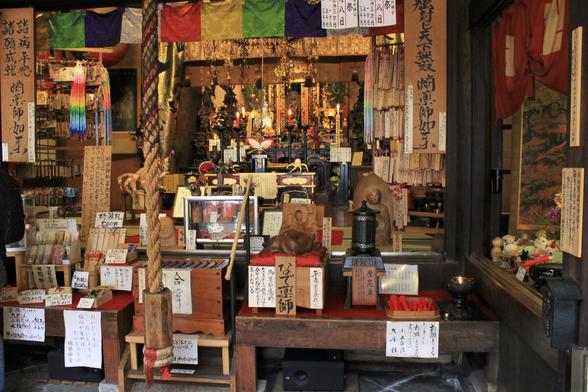
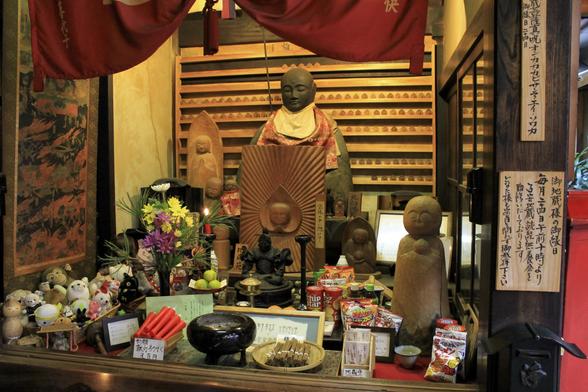
In the heart of Kyōto octopuses are celebrated at the small temple of Eifuku-ji (永福寺), known more familiarly as 'Tako Yakushi-dō' (蛸薬師堂 the 'Temple of the Octopus Medicine Buddha')🙏

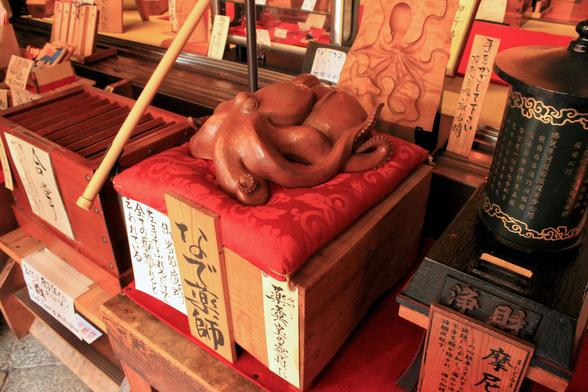
🐙📿THE OCTOPUS BUDDHA & OTHER CEPHALOPODS✨🦑
In the heart of Kyōto octopuses are celebrated at the small temple of Eifuku-ji (永福寺), known more familiarly as 'Tako Yakushi-dō' (蛸薬師堂 the 'Temple of the Octopus Medicine Buddha')🙏
Eifuku-ji was founded in 1181 by a wealthy man named Rinshū (林秀) who, later in life, shaved his head and undertook monthly pilgrimages to worship the Medicine Buddha on Mt Hiei.
As he grew old the journey became impossible, and he began to fear for his soul...
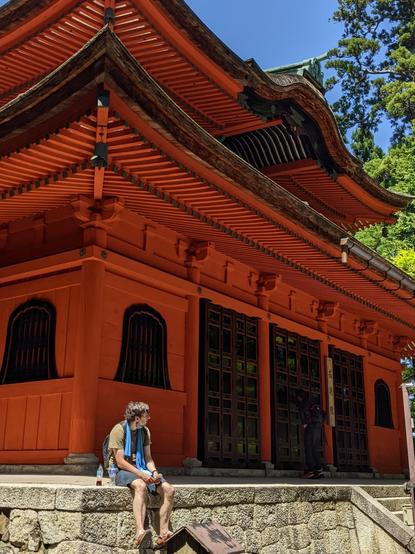
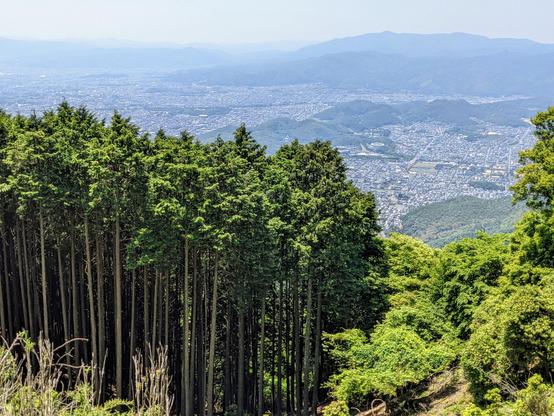
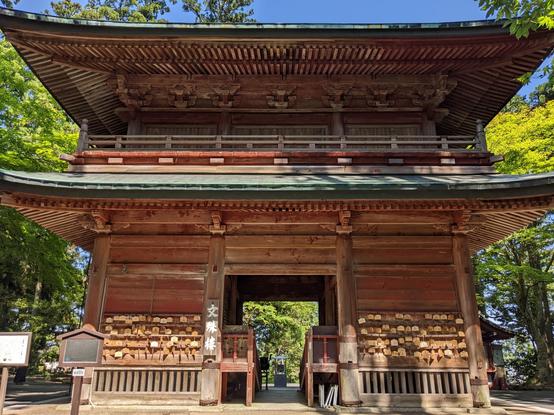
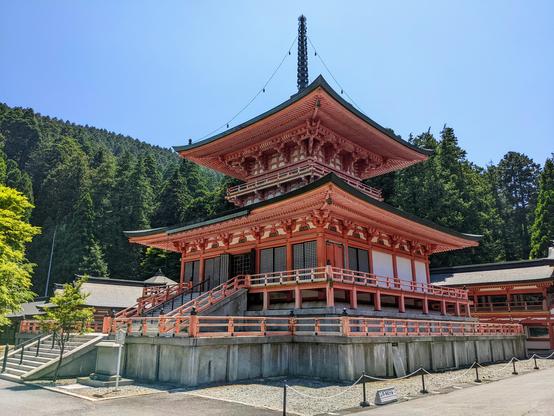
Then, one night, a dream led Rinshū to a spot on the mountain. Here, in the undergrowth, he discovered an image of the Medicine Buddha (薬師如来) made by Saichō (最澄 767-822), founder of Enryaku-ji.
Rinshū enshrined the statue at his home on Nijō Muromachi and Eifuku-ji was born.
But why was the statue of the Medicine Buddha named after an octopus?
1) WORDPLAY:
Eifuku-ji originally stood beside a marshy stretch of ground that fed a large pond. One of the hall's early nicknames was 'Taku Yakushi' (澤薬師 'Medicine Buddha in the Swamp'). Over time taku (澤) changed to tako (蛸).
2) THE OCTOPUS SELLER:
After Rinshū's death his home fell to ruin and the statue lay forgotten.
A store selling octopus later opened on the site.
The owner found the statue and enshrined it (until Eifuku-ji's revival) in his shop for 'luck'...it thus became known as 'Tako Yakushi'.
#蛸薬師 #Japan
3) A MONK BREAKS HIS VOWS:
In 1249 a monk from Eifuku-ji (now revived) called Zenkō (善光) went to the market to buy octopus for his seriously ill mother. By doing so he broke his strict Buddhist vows.
A neighbor, seeing Zenkō make his purchase, loudly called out the monk😰
#京都 #Kyoto #octopus
DEVOURING A BIT OF LUCK:
So why did Zenkō choose octopus in particular for his sick mother?
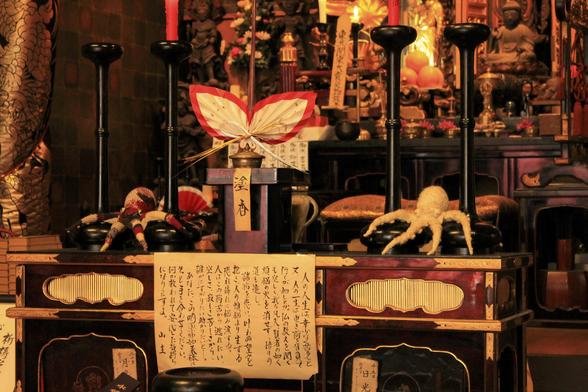
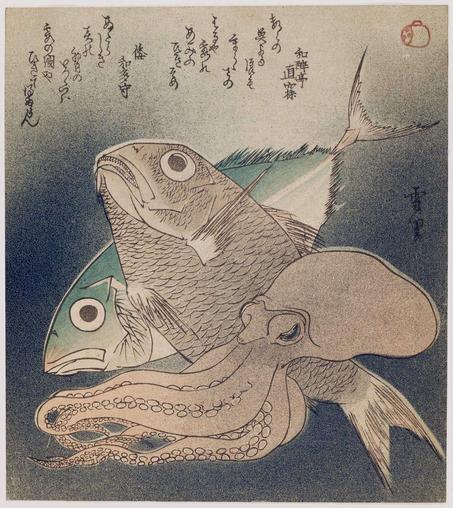
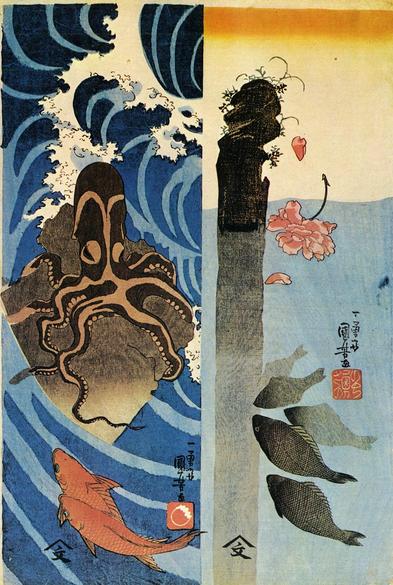
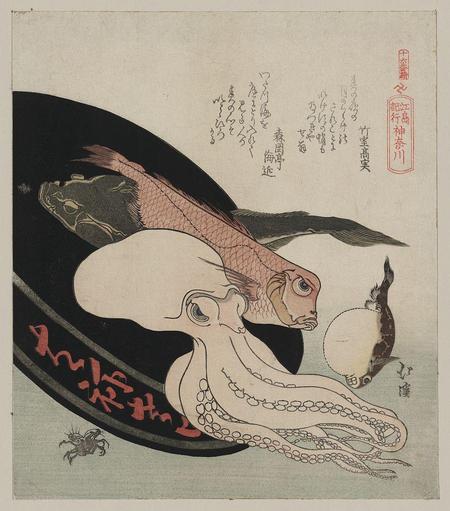
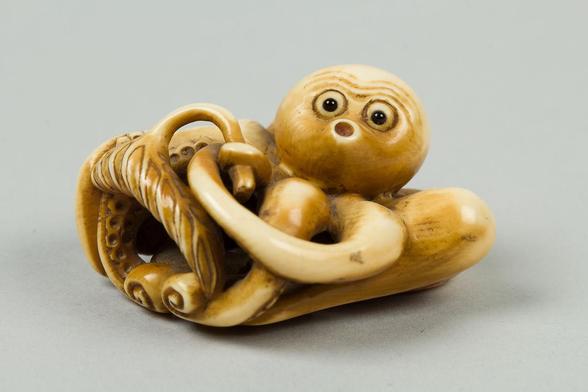
In Japan octopus is commonly eaten at New Year (お節料理), when one is sick, to fortify the body during the languorous summer months, and even as a prayer for hardy crops!
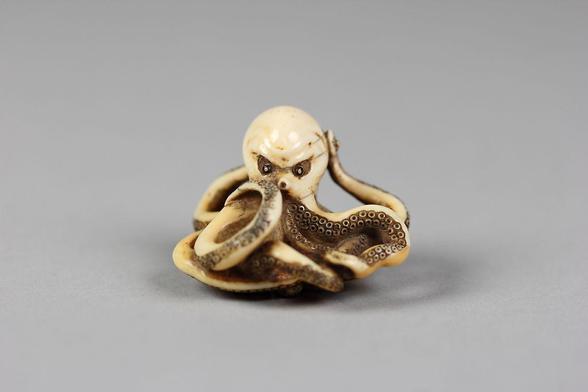
Back to Zenkō...
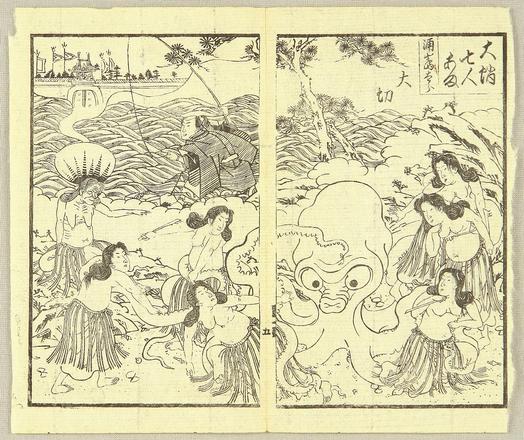
Having seen him at the fishmonger, the local people demanded to look inside his bag, horrified a monk would so blatantly break his vows.
Miserable, Zenkō emptied the bag's contents, certain the abbot would now cast him out.
8 glowing sutras tumbled to the ground!
Leaving the contrite crowd, an astonished Zenkō hurried back to his temple.
When he opened the bag again the sutras were an octopus once more!
But this time it was alive.
Slithering to the bedside of Zenkō's mother, the octopus took on its true form...the Medicine Buddha (薬師).
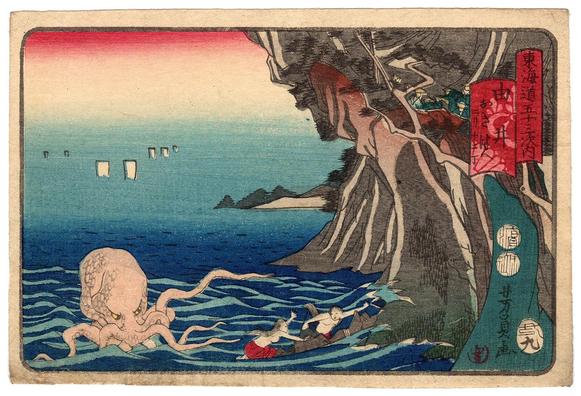
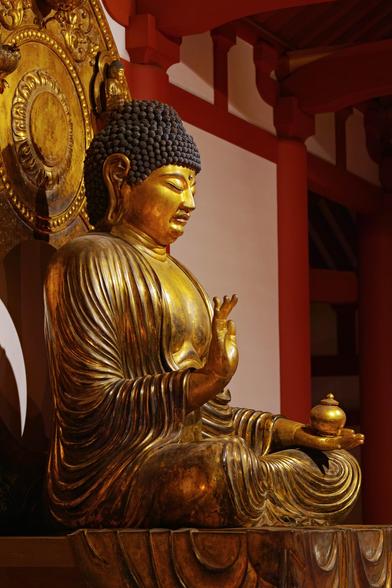
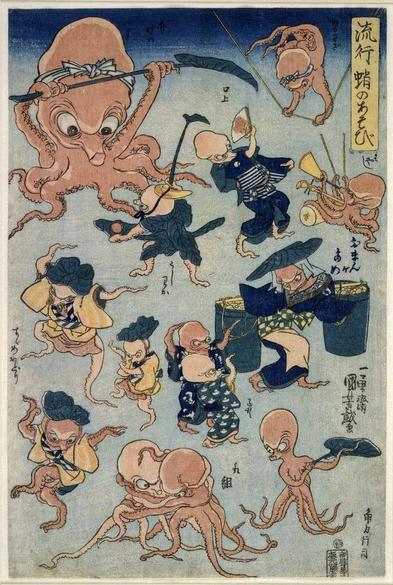
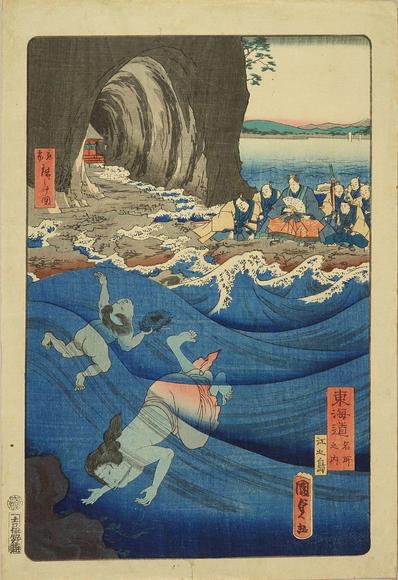
Miraculously healed, Zenkō's mother daily sang the praises of the Medicine Buddha throughout the capital.
The fame of the 'Octopus Buddha' soon spread, and Zenkō's tale was immortalized.
By 1441 even the emperor had heard of Eifuku-ji, and he bestowed on it an imperial license.
#octopusbuddha #タコ
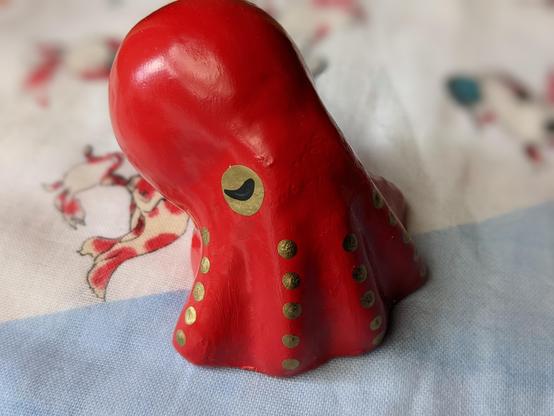
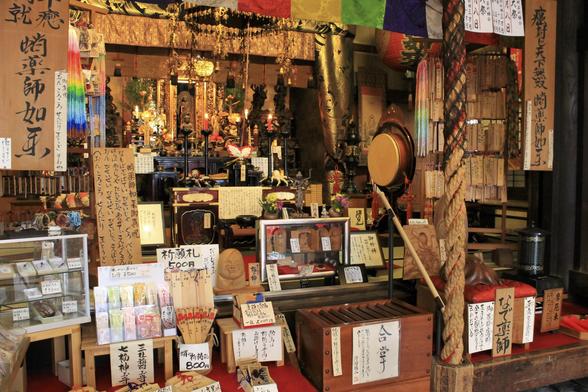
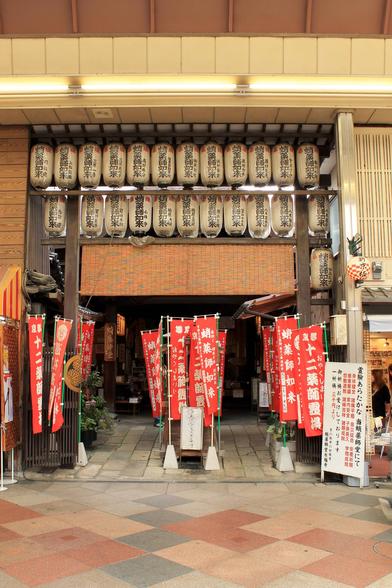
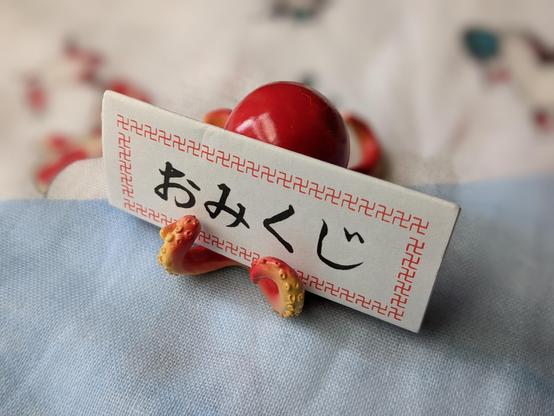
The approach to the temple was once so filled with worshippers on their way to pray to 'Tako Yakushi' (蛸薬師) that the road's name was changed to 'Takoyakushi-dōri' (蛸薬師道)...and the name stuck.
#Kyoto #京都 #Japan #寺町 #Teramachi #新京極 #Shinkyōgoku #蛸薬師道 #TakoYakushi