✨😇A SLICE OF PARADISE🪷🎶

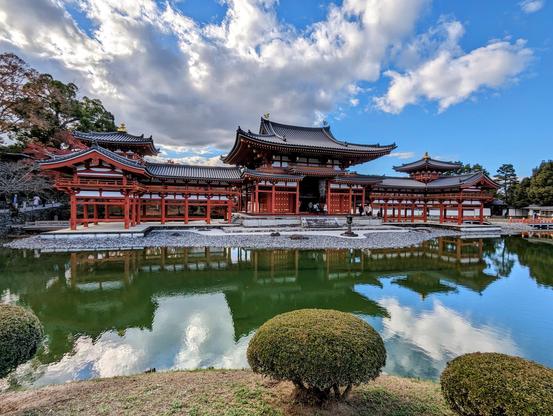
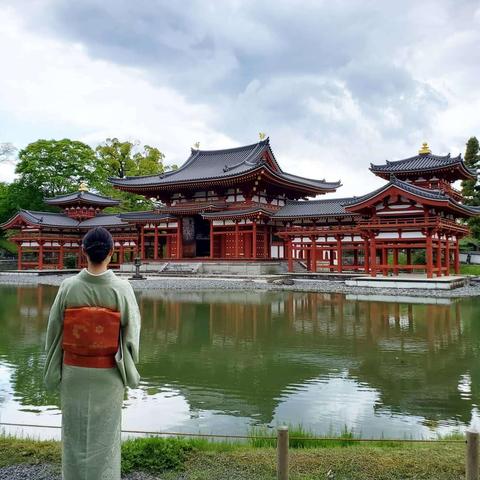
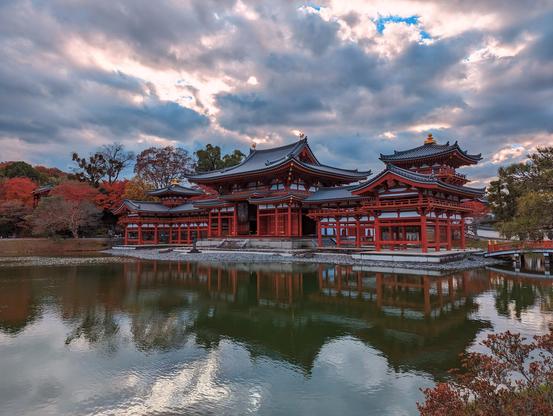
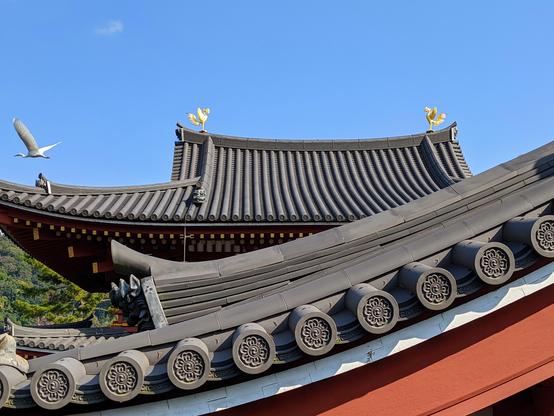
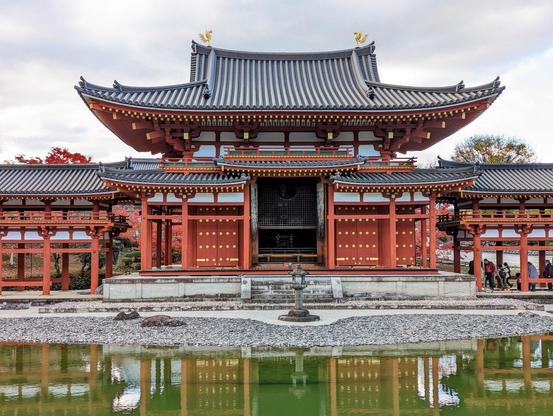
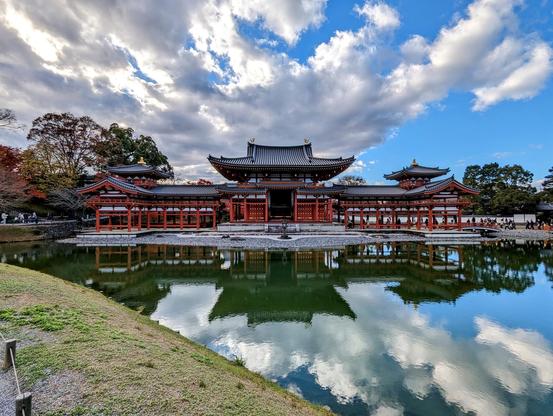
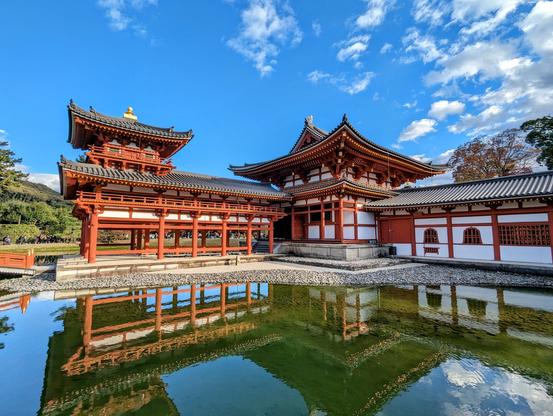
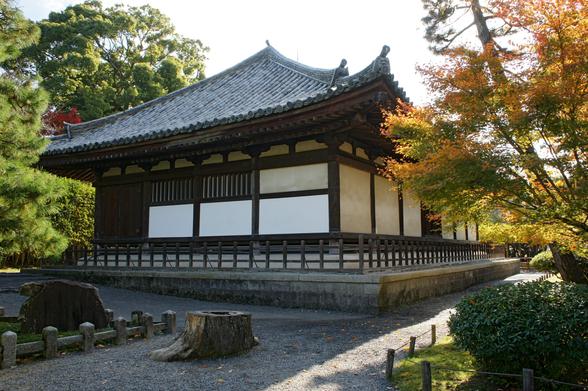
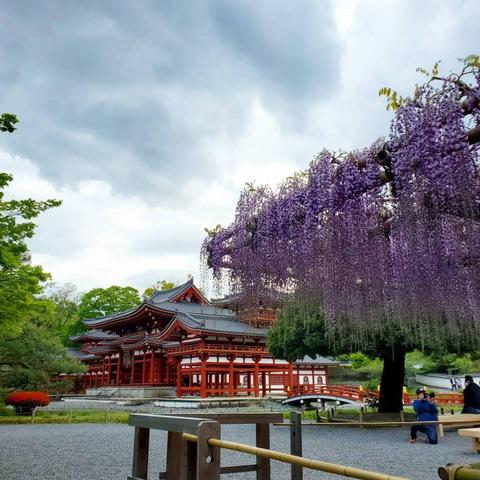
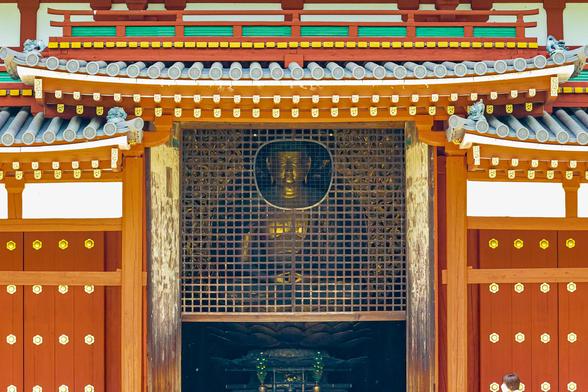
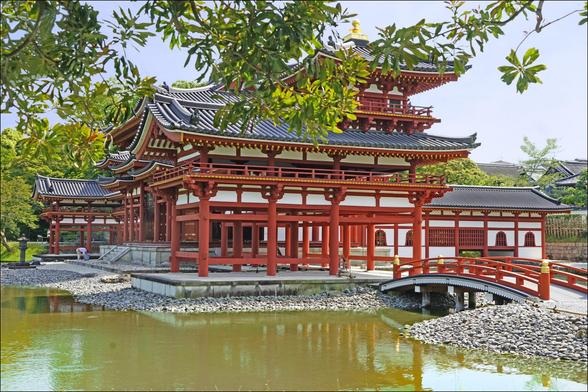
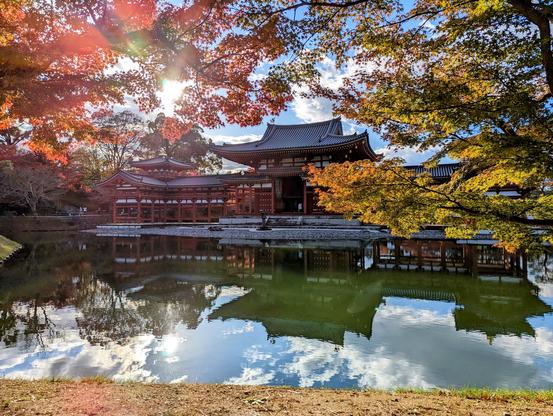
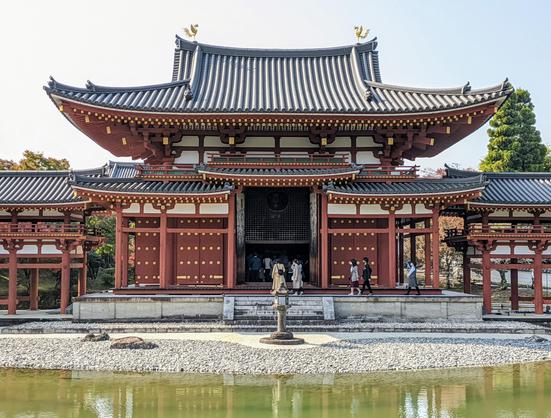
Byōdō-in's (平等院) Hōō-dō (鳳凰堂 'Phoenix Hall') was completed in 1053.

Once completely surrounded by Aji-ga-ike pond, the stretch of water helped protect the building from fires in 1336 and 1483 that completely destroyed the rest of the temple.
#Uji #宇治 #Japan #Kyoto #平等院 #Byodoin

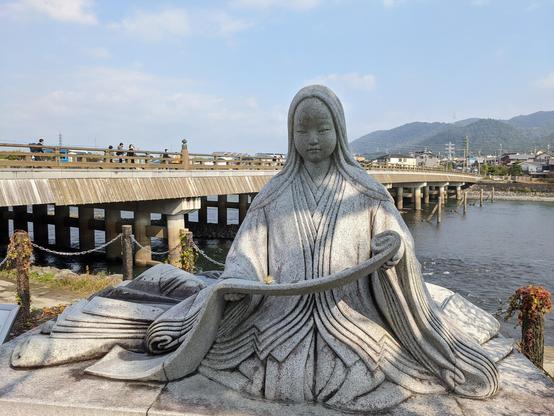
Likely beginning as a summer retreat for Minamoto-no-Tōru (源融 822-95), the man who possibly inspired Murasaki Shikibu's "Hikaru Genji", the property passed through the hands of Emperor Uda, Minamoto-no-Shigenobu (源重信 - Uda's grandson), and on to the powerful Regent Fujiwara-no-Michinaga.

#Uji #宇治 #Byodoin #Kyoto

After Michinaga passed away in 1027 the 'Uji Palace' (宇治殿) came into possession of his son Yorimichi (藤原頼通 992–1074).

When Yorimichi turned 60 years old he was inspired to transform the sprawling site into a temple, and made the priest Myōson (明尊 971-1063) first abbot.

#Byodoin #平等院 #Uji #宇治 #Kyoto

Byōdō-in's founding date is significant as it was considered the 2001 year since Buddha had entered Nirvana and the 1st year of 'The Age of Decline of the Buddhist Law' (末法 'mappō').

Many nobles funded halls and gardens dedicated to Amida, lord of the 'Western Pure Land Paradise', in the hope of an easy and quick rebirth.

#Kyoto #Amida

The original main hall stood closer to the river, but in 1053 the current Hōō-dō was constructed as part of an 'earthly paradise'.

Such was Byōdō-in's beauty that a famous saying went ..."If you are dubious about the existence of Amida's Pure Land, pray at the Temple in Uji".

#Uji #UjiRiver #宇治 #宇治川

Before the 'Phoenix Hall' (officially known as the Amida-dō, and commonly called this right up to 1680) is a stone lantern that has survived since the temple's foundation.

At the height of its power Byōdō-in's precincts boasted 26 halls, 7 pagodas, and an elaborate garden.

#京都 #PhoenixHall #Uji #Kyoto #鳳凰堂

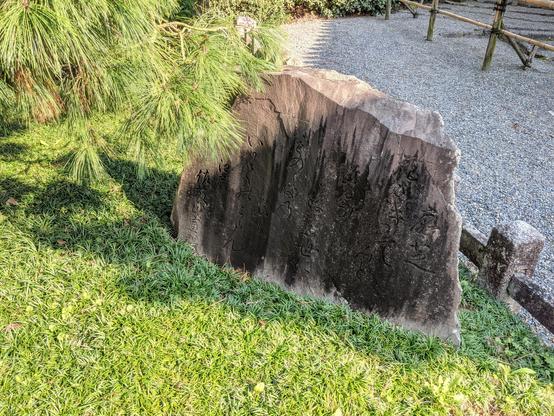
like a fossil tree
from which we gather no flowers
sad has been my life
fated no fruit to produce

埋もれ木の
花咲くことも
なかりしに
身のなる果てぞ
悲しかりける

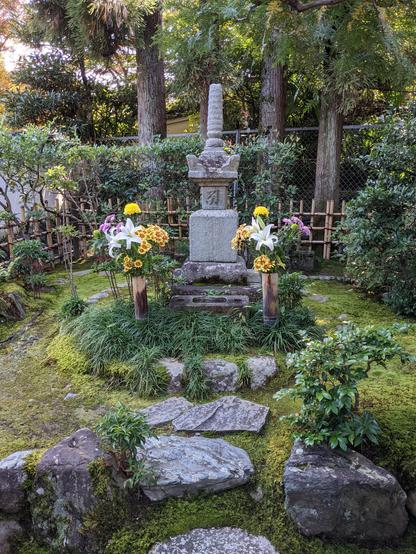
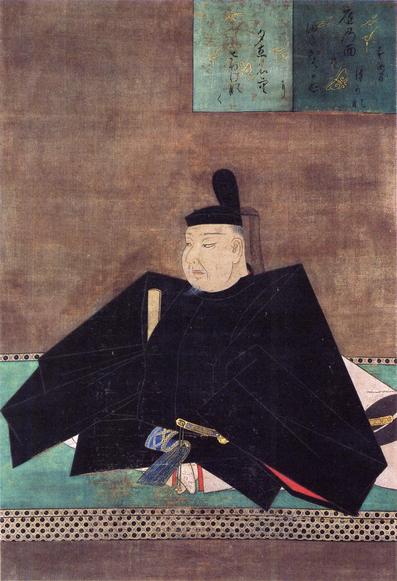
-Death poem of Minamoto-no-Yorimasa (源頼政 1106-80), leader of the Minamoto forces at the start of the Genpei War.

#poetry #seppuku #源頼政 #GenpeiWar #MinamotonoYorimasa

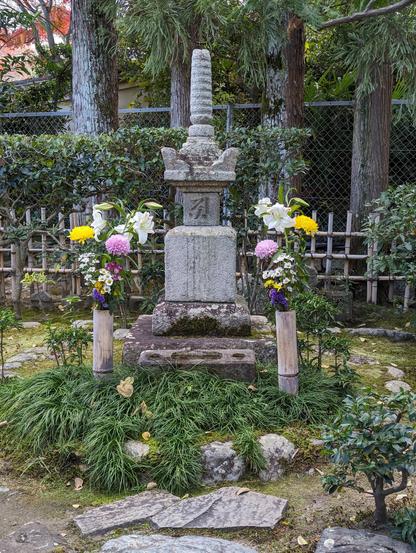
Minamoto-no-Yorimasa's death is argued by some to be the earliest record of a samurai committing seppuku in defeat.

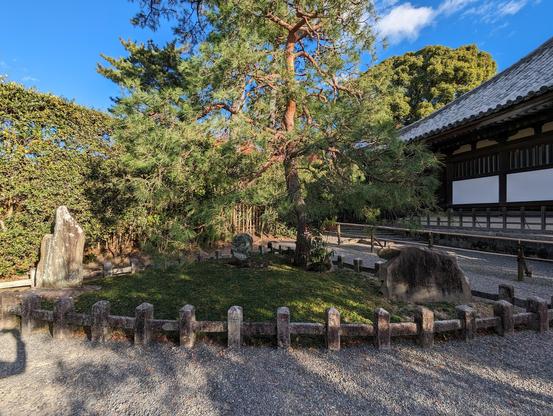
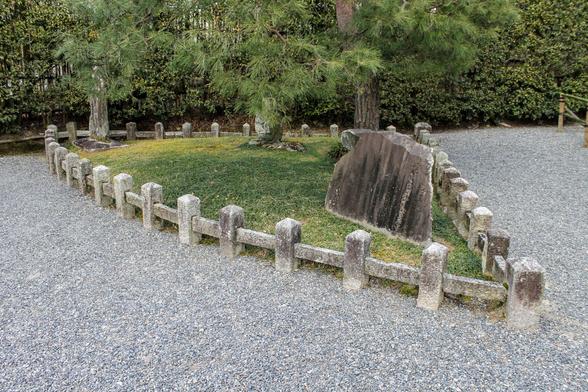
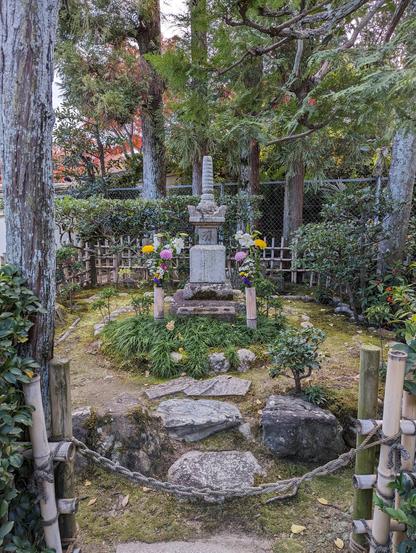
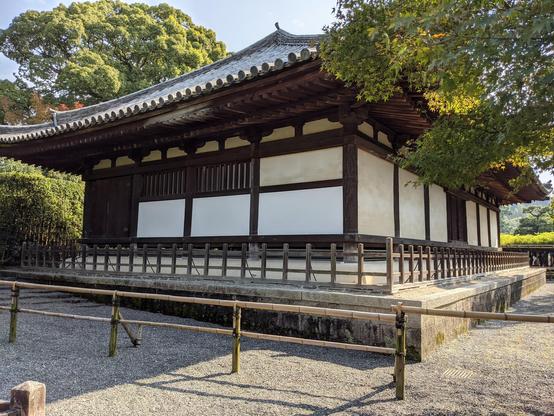
Beside Byōdō-in's Kannon-do (観音堂), built around 1230, is a fan-shaped stretch of lawn called 'Ogi-no-shiba' (扇の芝), upon which Yorimasa likely killed himself.

#扇の芝 #観音堂 #平等院 #宇治 #鳳凰堂

Having raised an army with Prince Mochihito (以仁王) to overthrow the ruling Taira clan, Yorimasa's forces were crushed at Uji and he fled to nearby Byōdō-in.

Badly injured by an arrow, he spread out his war fan, composed a final poem, and committed seppuku.

#Kyoto #Japan #平等院

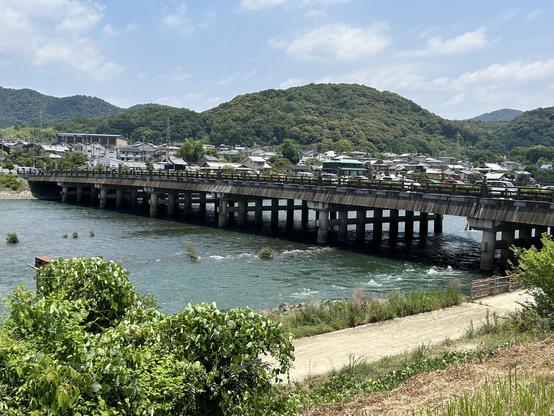
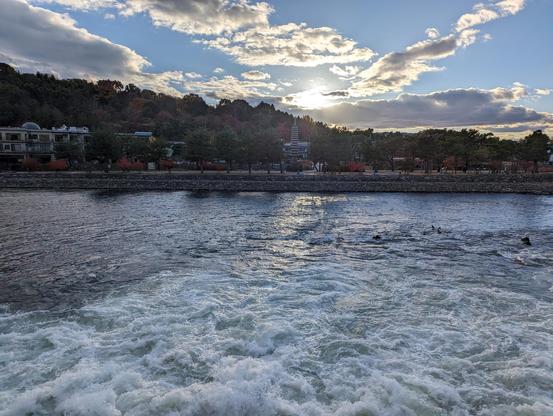
As the Taira forces forded the Uji-gawa and stormed into the precincts of Byōdō-in, it is said one of Yorimasa's retainers took his master's head, wrapped it in a cloth weighted with rocks, and tossed it into the nearby river so that it wouldn't fall into enemy hands.

#Japan