@ProjectFearlessness
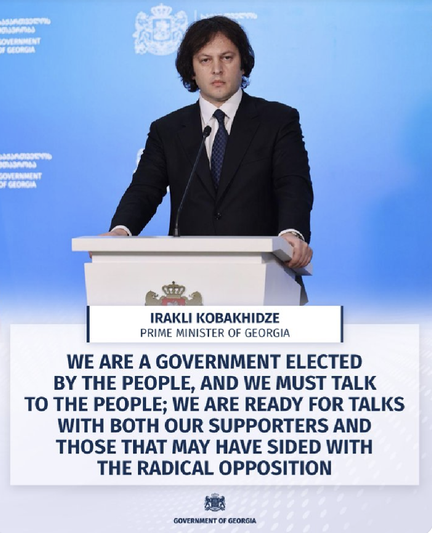
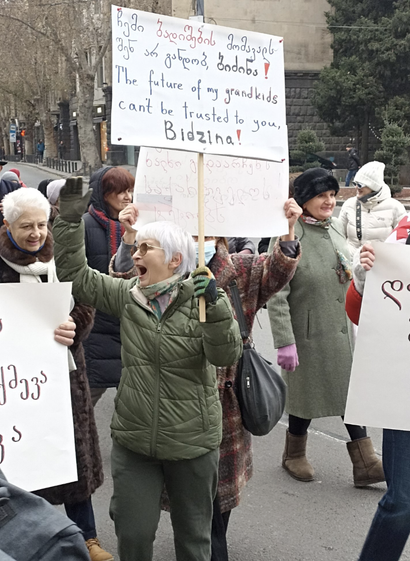
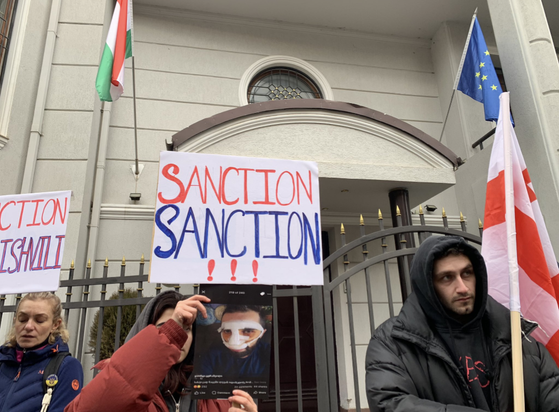
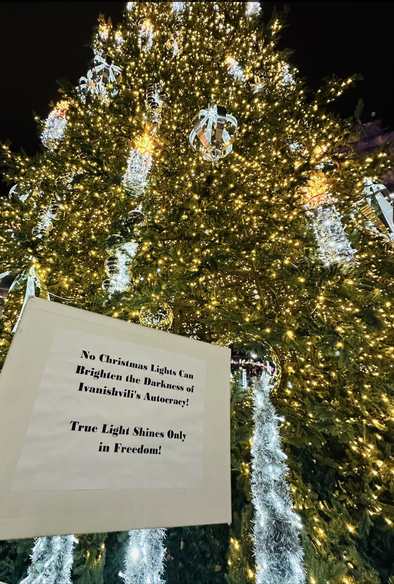
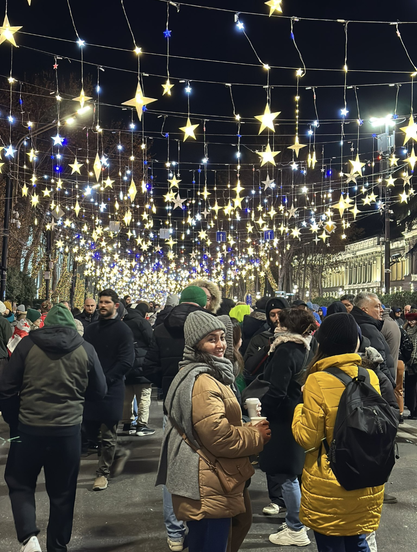
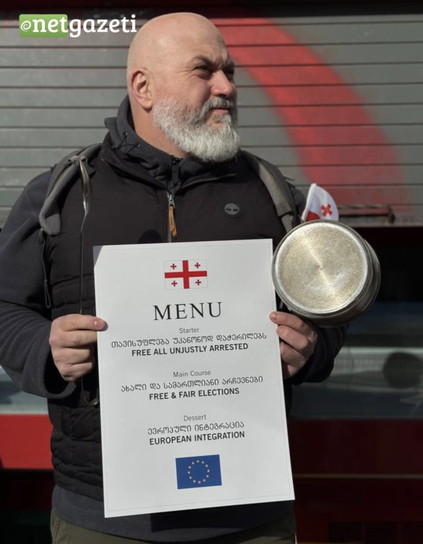
With enough social solidarity, this sort of action can be pretty effective. But it has to be hardcore - nobody talks to them, serves them in shops, provides them any services at all. It has to include any family who don't actively oppose them. And anyone who breaks the boycott is a scab, and gets boycotted in turn.
Trouble is, most societies struggle with that sort of solidarity, and the mutual aid it requires for those who lose out financially.
A bit of history excerpted from Wikipedia, for those who aren't familiar:
The word boycott entered the English language during the Irish "Land War" and derives from Captain Charles Boycott, the land agent of an absentee landlord.
Despite the short-term economic hardship to those undertaking this action, Boycott soon found himself isolated – his workers stopped work in the fields and stables, as well as in his house. Local businessmen stopped trading with him, and the local postman refused to deliver mail.
The concerted action taken against him meant that Boycott was unable to hire anyone to harvest his crops in his charge.
The Daily News wrote on December 13, 1880: "Already the stoutest-hearted are yielding on every side to the dread of being 'Boycotted'."
 ProjectFearlessness







 Katus
Katus Danette 🐬
 Andrew
 Rhinos Worry Me
 Ned Yeung
 epicdemiologist
 Su_G
Su_G GrannyDeanna
 Kou Ki
 Stuart Longland (VK4MSL)
 TC Won't Give In To Lies
 guenther