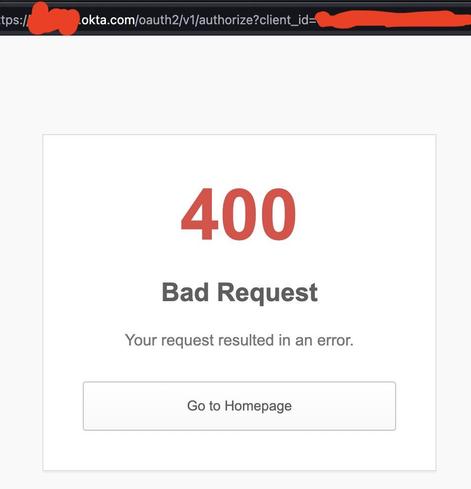
Handling Cookies is a Minefield:

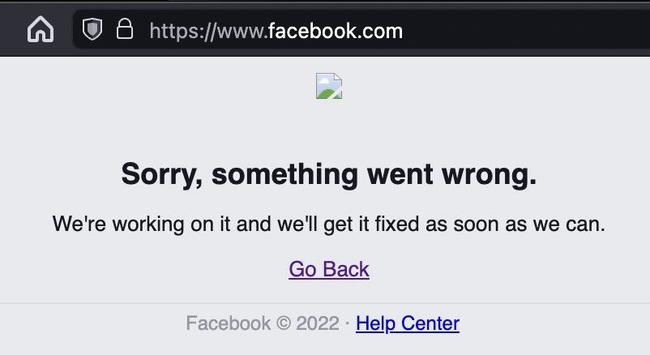
inconsistencies in the HTTP cookie specification and its implementations have caused a situation where countless websites (including Facebook, Netflix, Okta, WhatsApp, Apple, etc.) are one small mistake away from locking their users out.

https://grayduck.mn/2024/11/21/handling-cookies-is-a-minefield/
April King — Handling Cookies is a Minefield

Discrepancies in how browsers and libraries handle HTTP cookies, and the problems caused by such things.

@april

> everything behaves differently, and it's a miracle that cookies work at all.

Sounds like the Internet 😅

@april entertaining as much as terrifying read. Would have been very timely right at the end of the past month🦇🎃👻
@april this reminds me of years ago the HTTP WG being pretty reluctant to change cookies to actually match what web compat requires — and while some might want to argue “hey there’s loads of other HTTP stacks which aren’t reporting compatibility issues”, cookies are surely disproportionately used by browsers

@april @krinkle Hahaha! I ran into this issue about 15 years ago and thought maybe the Cookie2 and Set-Cookie2 headers were the way to go (since they appear to resolve the value of the cookie), but literally no one ever used that header, so it’s deprecated, now.

https://www.rfc-editor.org/rfc/rfc2965
https://www.rfc-editor.org/rfc/rfc6265

RFC 2965: HTTP State Management Mechanism

@ramsey @april @krinkle I think the new and better response is https://www.rfc-editor.org/rfc/rfc9651.html but for some reasons this as yet to gain traction in PHP 🤷
RFC 9651: Structured Field Values for HTTP

This document describes a set of data types and associated algorithms that are intended to make it easier and safer to define and handle HTTP header and trailer fields, known as "Structured Fields", "Structured Headers", or "Structured Trailers". It is intended for use by specifications of new HTTP fields. This document obsoletes RFC 8941.

@nyamsprod @april @krinkle It appears it’s still very new. I’ve never heard of it, but I like what I see.
@ramsey @april @krinkle its been there for almost 4 years and all new headers from Chrome to what not uses it already. I even created a PHP package for it . Working on v2 at the moment https://github.com/bakame-php/http-structured-fields
GitHub - bakame-php/http-structured-fields: Structured Field Values for HTTP manipulation in PHP

Structured Field Values for HTTP manipulation in PHP - bakame-php/http-structured-fields

GitHub
@ramsey @april @krinkle and Opera (Presto) was I think the only browser that supported it? but with no cookies being sent, that was bawucaklt useless.
@april opening an issue on the php-src GitHub repo might be a good idea so that someone (if not myself) looks into it for PHP.
RFC 9651: Structured Field Values for HTTP

This document describes a set of data types and associated algorithms that are intended to make it easier and safer to define and handle HTTP header and trailer fields, known as "Structured Fields", "Structured Headers", or "Structured Trailers". It is intended for use by specifications of new HTTP fields. This document obsoletes RFC 8941.

@april I've tried. I've struggled. I've filed numerous issues. I've had very little success in trying to rectify several of the issues you list in there... 😞
@bagder @april this reminded me of http://seriot.ch/projects/parsing_json.html which is basically proof that as a community we also fail with newer standards unfortunately
Parsing JSON is a Minefield

@april the other thing that comes to mind recently is “SameSite=Lax” by default, which a bunch of docs and specs say is the case, but only Chrome has managed to ship it — both Firefox and Safari unshipped it, due to too much breakage, and the win is much smaller when cookies are partitioned and/or not sent cross-site/origin to start with
@april
Thanks, that's a very interesting article! Out of curiosity, did you keep track of the version of the programming languages used? It could be nice to do the exercise again in a couple of year to compare 😀
@Seb_Solon I didn’t, although I probably should have. Most of those tests were over a year old, although I don’t think anything has changed in them.
@april Thanks for this great analysis! I hate it.