 Chris Banes
After what feels like a lifetime of development, I've decided to deprecate and archive Tivi 🫡

After what feels like a lifetime of development, I've decided to deprecate and archive Tivi 🫡
Google have always been obsessed by the ‘top’ 50-100 apps, and this is just an another example of indie apps having a much harder time on Google Play.
I can kinda see why they did it (reduce spammy/fraudulent apps), but it’s an extremely heavy handed way to do it, and will likely end up hurting them long term, just by pissing off developers.
Feels like a zero-sum game mentality.
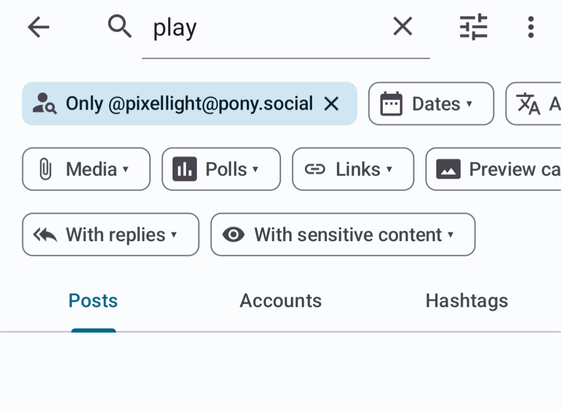
@pixellight @cb @gakisstylianos Not anywhere that's obviously discoverable (per screenshot).
If I buy something on Play my contract is with the app author. I think it's reasonable (and in many jurisdictions, like the one I'm in right now, a legal requirement, see https://www.kmu.admin.ch/kmu/en/home/concrete-know-how/sme-management/e-commerce/creating-own-website/statutory-obligations-in-switzerland-and-the-eu%20.html ) for the address of the entity I'm entering into a contract with to be public.
I'd be happy to read your counterpoints, if you have a link.
@nikclayton @pixellight @gakisstylianos
I’ve put my thoughts here:
@[email protected] I couldn’t find anything on the Google Play documentation linking this with the EU regulation. My guess is that they’ve used the EU regulation as cover to force this much wider-reaching verification system in for everyone. In comparison, the App Store has handled the EU law change very differently. There it’s a very simple dialog with 2 options, and it’s on developers to self-certify.

 Princess Pixel Light
 Stylianos Gakis
 Nik
Nik Remind Me