 Sarah Taber
In honor of Halloween, it's time for GOURD FACTS.
For every donation to the link below I will post one (1) fact about gourds, pumpkins, squash, and all the ways we use them. It's a really useful family of plants!
In honor of Halloween, it's time for GOURD FACTS.
For every donation to the link below I will post one (1) fact about gourds, pumpkins, squash, and all the ways we use them. It's a really useful family of plants!
We don't know for sure, but two things are definitely true about bottle gourds.
-They float
-They can dry up & hold their seeds for a really long time.
Especially for plants in arid areas, floating is a good strategy to spread your seeds!
1. Grow near water (or a wash where water flows sometimes).
2. Grow fruits & let them dry up into little buoys full of seeds.
3. Wait for a flood to carry them wherever else the water goes.
The first members of the squash family probably weren't grown for food. They were hard and/or bitter!
Instead, people probably first started keeping them around to dry out & use as containers.
After all, you can eat a lot of things. But there are only so many lightweight, waterproof containers out there.
If baskets are too leaky and pottery's too heavy for what you need to do, bottle gourds are your best bet!
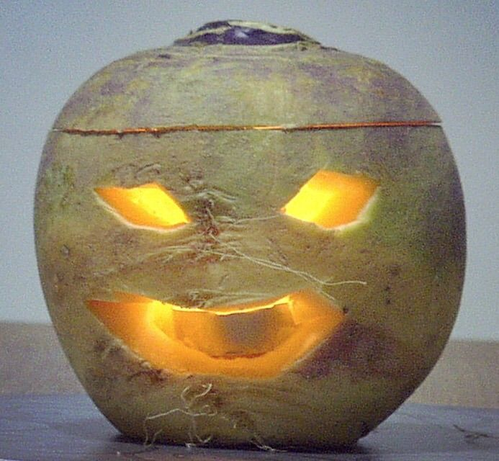
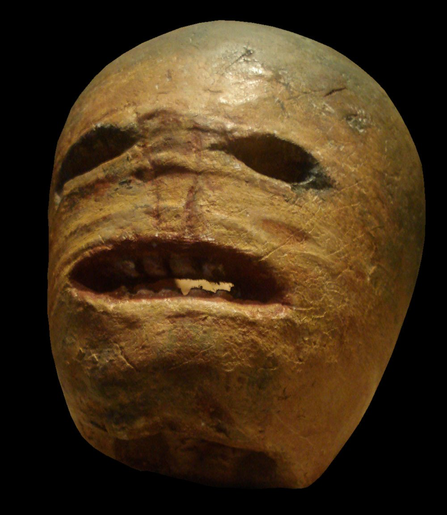
ack o'lanterns are from Europe, but squash aren't.
So before Europe found squash, they were making jack o'lanterns out of root vegetables. Turnips, rutabagas, beets, etc.
Credit where it's due, they really nail the "creepy" vibe.
When people first started eating squash, we're pretty sure it wasn't the flesh- it was the seeds!
Squash's seeds are oily & tasty. The flesh on early squash was still hard, bitter, or both.
Eventually, as people started growing a lot of squash, some of them would naturally have flesh that was less bitter. People got adventurous, started cooking it, and selecting for sweeter & sweeter fruits.
And now there's edible squash!
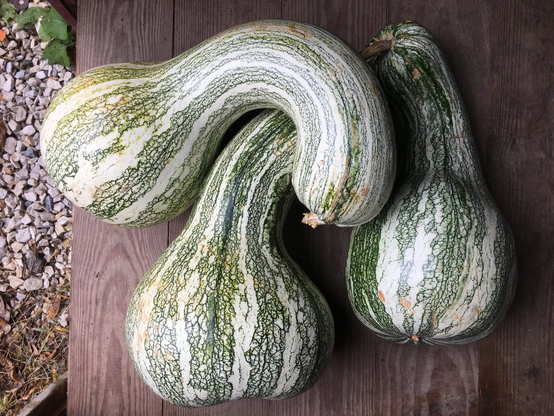
The classic "Cinderella" pumpkins don't do well in tropical and subtropical conditions.
But calabaza-type squash love it.
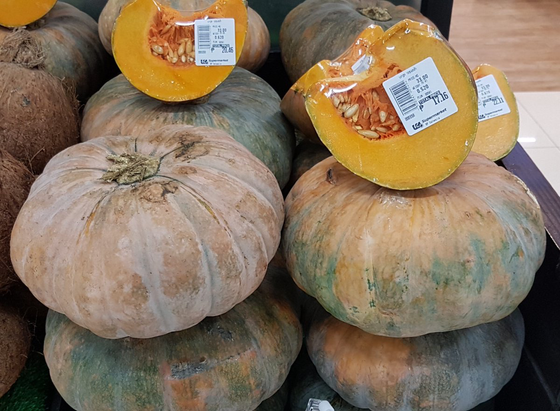
Had good luck with Kang Kob pumpkins in the NC sandhills.
Do they look weird? Sure. Are they tasty & grow well? Yes! They're sturdy and handle our challenging weather & soil really well.
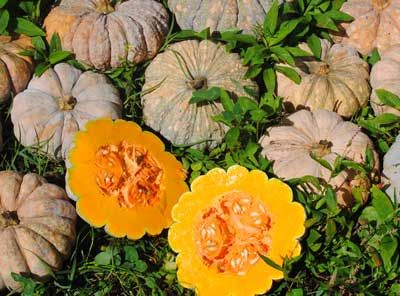
Seminole pumpkins have a RANGE on looks & preferred weather. The Seminole people bred them to handle Florida's steamy weather- and then the US forced a lot of Seminoles to Oklahoma in 1849.
So now some Seminole pumpkin lines are adapted to Florida, and some to Oklahoma.
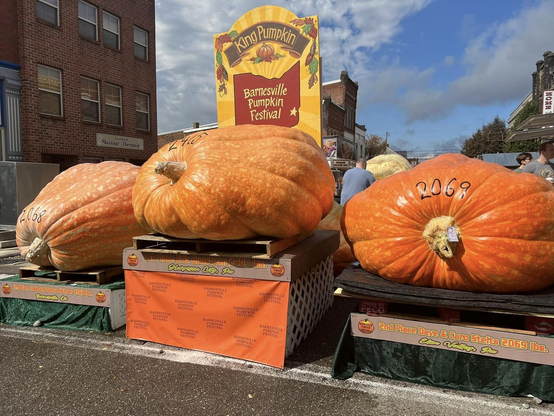
A little over a decade ago, giant pumpkin growers were chasing a 2,000lb pumpkin. A one-ton squash.
Now, we've blown through that and growers are eyeing the 3,000lb limit.
We have no idea what the maximum size for a pumpkin IS.
https://www.theatlantic.com/health/archive/2024/10/giant-pumpkin-world-record/680337/
Omg. I had to zoom in to make sure this picture is what I thought it was. 😂😂



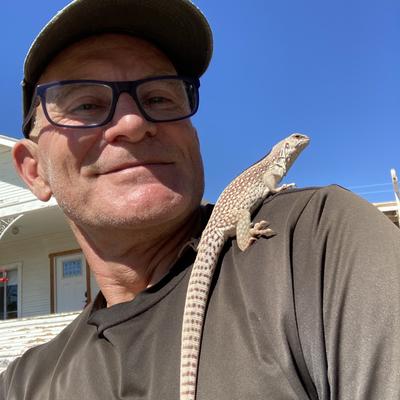 My camera shoots fascists