 Sarah Taber
In honor of Halloween, it's time for GOURD FACTS.
For every donation to the link below I will post one (1) fact about gourds, pumpkins, squash, and all the ways we use them. It's a really useful family of plants!
In honor of Halloween, it's time for GOURD FACTS.
For every donation to the link below I will post one (1) fact about gourds, pumpkins, squash, and all the ways we use them. It's a really useful family of plants!
We don't know for sure, but two things are definitely true about bottle gourds.
-They float
-They can dry up & hold their seeds for a really long time.
Especially for plants in arid areas, floating is a good strategy to spread your seeds!
1. Grow near water (or a wash where water flows sometimes).
2. Grow fruits & let them dry up into little buoys full of seeds.
3. Wait for a flood to carry them wherever else the water goes.
The first members of the squash family probably weren't grown for food. They were hard and/or bitter!
Instead, people probably first started keeping them around to dry out & use as containers.
After all, you can eat a lot of things. But there are only so many lightweight, waterproof containers out there.
If baskets are too leaky and pottery's too heavy for what you need to do, bottle gourds are your best bet!
ack o'lanterns are from Europe, but squash aren't.
So before Europe found squash, they were making jack o'lanterns out of root vegetables. Turnips, rutabagas, beets, etc.
Credit where it's due, they really nail the "creepy" vibe.
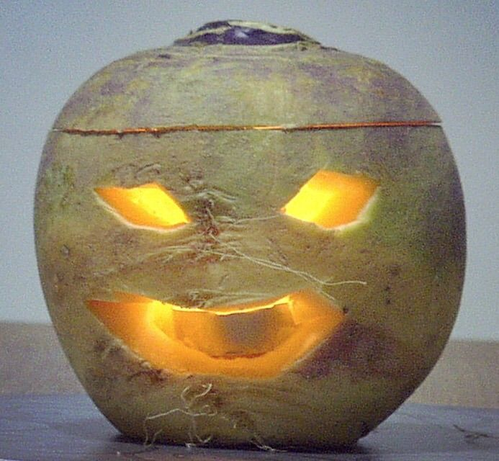
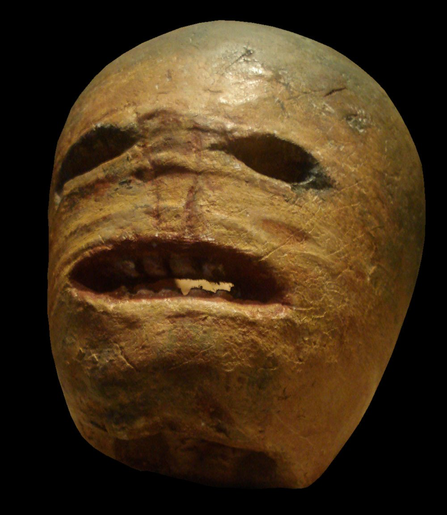
@sarahtaber Greetings from Ireland, where the creepy turnips come from. You're welcome! 👋🏼🎃

In Ireland, at Halloween, we carved turnips to create scary-faced lanterns. The term, Jack o’ Lanterns, takes its name from the folktale about Jack, who was welcome neither in Heaven or Hell and was destined to wander the countryside forever, with just a lantern to light the way.
 Joan of Contention 😷