"I’d say the EC books were the most influential than any of the comic books. They influenced people’s lives" — Harvey Kurtzman talked with comics scholar Patrick Rosenkranz in 1972 about the Comics Code Authority, which was adopted in October of 1954 https://www.tcj.com/harvey-kurtzman-on-the-big-comic-cleanup-of-1954/ #comics #horror #art #harveykurtzman #horrorcomics
Harvey Kurtzman on the big comic cleanup of 1954 - The Comics Journal

In 1972, Patrick Rosenkranz talked with Harvey Kurtzman and his wife, Adele, about the Senate Comic Book Hearings of 1954 and the subsequent establishment of the Comics Code.

The Comics Journal
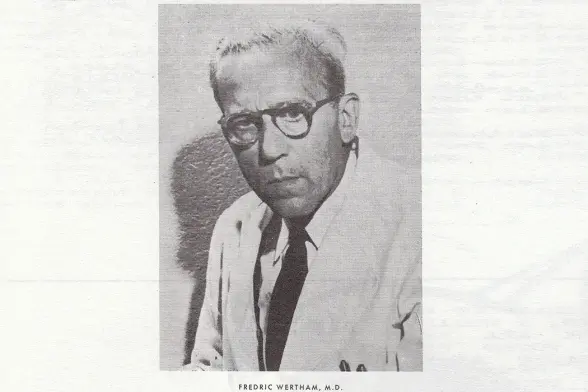
The crusade against #comics was led by Fredric Wertham, a German-born psychiatrist whose manipulated and fabricated data led to an industry-crippling censorship campaign 70 years ago https://daily.jstor.org/fredric-wertham-cartoon-villain/ #censorship #art
Fredric Wertham, Cartoon Villain - JSTOR Daily

Wertham convinced 1950s America that comic books led to depravity. He also used his extremist views to raise money for an anti-racist clinic in Harlem.

JSTOR Daily
Wertham "was after more than notoriety even as he achieved infamy" in his crusade against the #comics publishers of the postwar years https://www.dominicumile.com/blog/fredric-wertham-comics-village-voice
Dr. Fredric Wertham's anti-comics crusade at the Voice — DOMINIC UMILE

The Village Voice profiles psychiatrist and anti-comics crusader Dr. Fredric Wertham

DOMINIC UMILE
Indeed, "For comic-book fans, Fredric Wertham is the biggest villain of all time" https://slate.com/culture/2008/04/the-campaign-against-comic-books.html
The campaign against comic books.

For comic-book fans, Fredric Wertham is the biggest villain of all time, a real-life bad guy worse than the Joker, Lex Luthor, and Magneto combined....

Slate
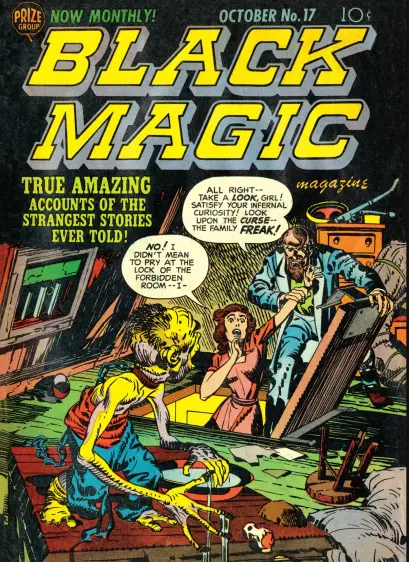
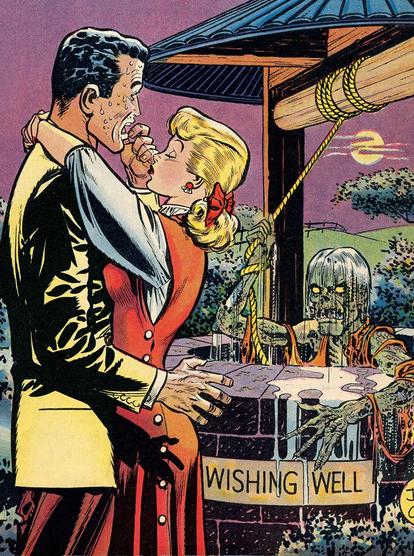
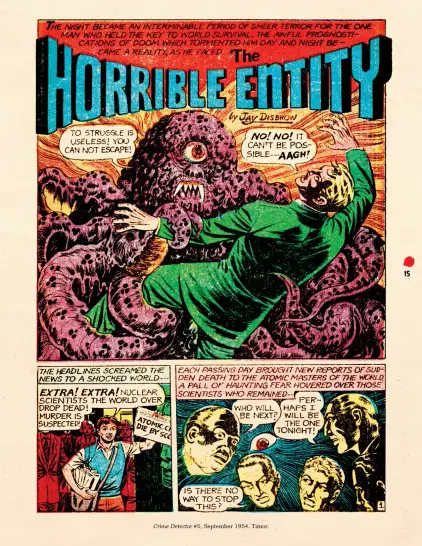
Awash in publicity, the hearings and resulting Comics Code established exactly 70 years ago effectively crippled then-thriving studios. Publishers killed titles deemed disagreeable and sent their staff home. Suddenly hundreds of #comics professionals in the late 1950s would never work in the medium again — My 2017 @hyperallergic piece on the day's banned #horror and crime comics: https://hyperallergic.com/366028/banned-horror-comics-back-from-the-dead/ #art #comicshistory #ECComics
Banned Horror Comics Rise from the Dead

Banned in the 1950s, a bunch of vintage horror comics are celebrated in reissued and new archival collections.

Hyperallergic
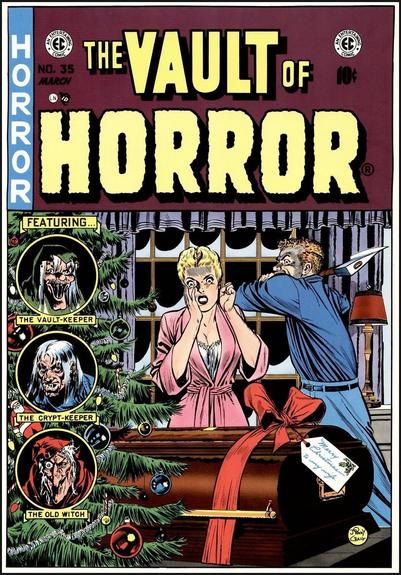
You can't deny how good these things still look today — Johnny Craig's cover art for The Vault of Horror, No. 18 (1951). A "slow craftsman" says The Paris Review: “I was supposed to do three stories a month. I was lucky if I did one" https://www.theparisreview.org/blog/2020/10/29/how-horror-transformed-comics/ #horror #ECComics #comics #books
How Horror Transformed Comics

Grant Geissman chronicles the origins of EC Comics’s horror titles, including the gruesome, bone-chilling ‘Tales from the Crypt.’

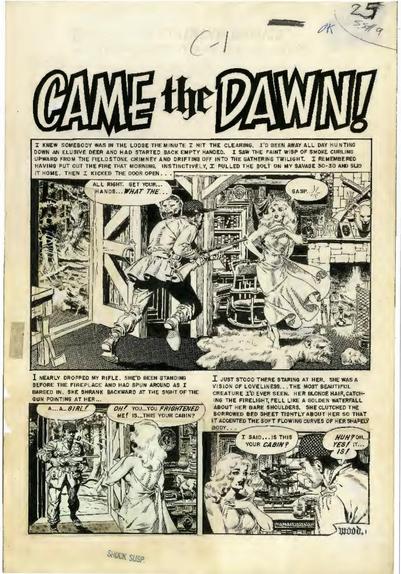
The quality of drawing typically exceeds that of EC's writing, as Fantagraphics' Gary Groth has asserted (🎨: Wally Wood's art for "Came the Dawn," EC Comics' ShockSuspense Stories no. 9, 1953) https://www.tcj.com/entertaining-comics/ #wallywood #comics #horror #scifi
Entertaining Comics - The Comics Journal

Fantagraphics publisher Gary Groth on what EC accomplished and what it didn't.

The Comics Journal
“Comic Books Banned in Detroit as ‘Corrupting’” — The Washington Post, 1948, when somewhere between 80 and 100 million #comics were being sold monthly https://hyperallergic.com/366028/banned-horror-comics-back-from-the-dead/ #horror @bookstodon #ECComics #bannedcomics
Banned Horror Comics Rise from the Dead

Banned in the 1950s, a bunch of vintage horror comics are celebrated in reissued and new archival collections.

Hyperallergic